OPCW Uncovers Hidden Chemical Weapons Materials in Syria as Bashar al-Assad Regime Files Emerge
Key Takeaways
- Undeclared chemical weapons materials and munitions uncovered in Syria.
- Syria reports remnants of the former regime's chemical weapons program.
- Disclosures are part of broader security transition and transitional justice efforts.
OPCW finds hidden sites
International inspectors have uncovered scores of previously hidden chemical weapons materials in Syria, with the Organisation for the Prohibition of Chemical Weapons (OPCW) announcing the findings in a late May report as the country enters a fragile security transition.
“Izumi Nakamitsu, the UN Under-Secretary-General for Disarmament Affairs, told a session of the UN Security Council today, Thursday, that the organization’s technical committees obtained weapons and chemical materials that the regime of the ousted Syrian president Bashar al-Assad had been hiding and had not disclosed previously”
Defense News says the discoveries include chemical munitions such as aerial bombs and rockets, production materials, and thousands of pages documenting the program under ousted Syrian president Bashar al-Assad.

The same report says the OPCW warned that the full extent of Syria’s chemical weapons enterprise may remain unknown, with information gathered since the December 2024 collapse of the Assad government indicating that more than 100 additional sites may be linked to the administration’s chemical weapons program, compared with 26 locations previously known.
Defense News also links the newly found variety of aerial bombs to chemical attacks on Ltamenah in March 2017 and Khan Shaykhun in April 2017, and says investigators found the same type of rockets used in the 2013 chemical attack in Ghouta.
In a UN Security Council briefing relayed by Al-Jazeera Net, Izumi Nakamitsu said the technical committees obtained weapons and chemical materials that the regime of Bashar al-Assad had been hiding and had not disclosed previously.
Who knew, who controls
Defense News reports that the discoveries come as a nationwide power reshuffle leaves a patchwork of security players, including the U.S. and allies, struggling to secure a country devastated by years of war.
It says a recent Pentagon watchdog report described the transition as increasingly unstable and warned that Syria’s new authorities would likely struggle to exercise control over the nation’s fragmented security apparatus, especially as the Kurdish-led Syrian Democratic Forces (SDF) integrates into a national armed force.

Defense News quotes Randa Slim, director of the Middle East program at the Stimson Center, saying, "There is definitely an economic benefit to them to sell these materials to non-state actors — like Hezbollah or ISIS," and adds that black markets for such items exist.
The same Defense News report warns that the combination of military transition and incomplete information can create a "proliferation risk" for militant groups still operating in the region.
In parallel, Al-Jazeera Net says the UN Secretariat’s technical arm could not verify the accuracy of the statement provided by the Assad regime about these weapons due to incomplete information, increasing the likelihood of further materials and ammunition that are unknown.
Arrests, visits, and next steps
As Syria’s new authorities pursue the chemical weapons file, multiple sources describe arrests and ongoing verification work tied to the former Assad program.
“Offer Great Britain and France say that the Assad regime used chemical weapons, more specifically sarin gas, in March and April”
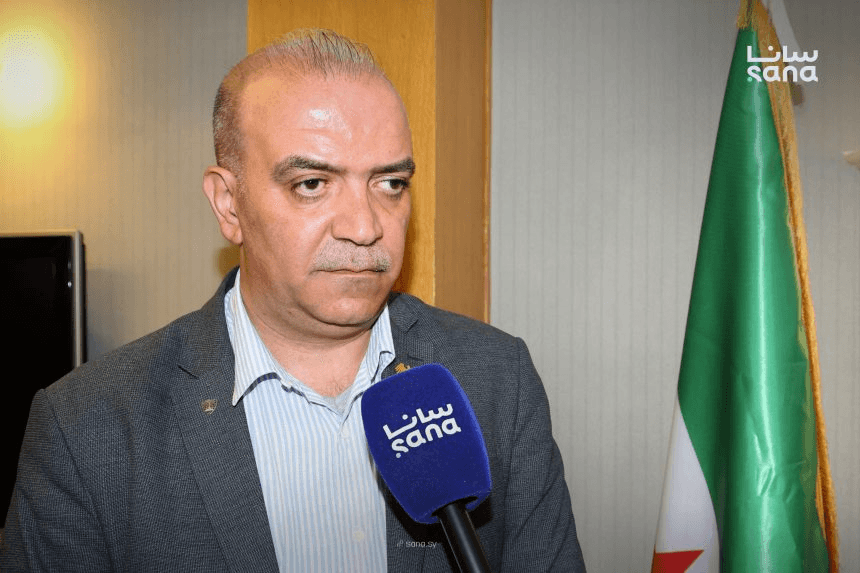
Roya News quotes a Syrian official saying the discovered remnants constitute compelling field evidence, and it says Mohammad Qutub, Syria’s permanent representative to the Organization for the Prohibition of Chemical Weapons in The Hague, disclosed that Syrian authorities detained and arrested 18 people suspected of direct involvement.
Roya News also says the materials seized included missile arsenal with "more than 70 missiles and bombs" recovered and documented, alongside chemical raw materials and matching munitions.
In a UN-focused account by Al-Jazeera Net, Izumi Nakamitsu said the technical committees have visited more than 20 sites in Syria since March 2025, collected 19 samples and 6,000 documents, and received 24 sealed document boxes from the Syrian government.
Al-Jazeera Net further reports that Tammy Bross, Deputy US Representative to the United Nations, welcomed the return of inspection teams to Syria and urged continued support, saying Damascus had "shown flexibility and determination to close this file and turn the page on the past."
More on Syria
Marco Rubio Ends Tom Barrack’s US Special Envoy Mandate for Syria
11 sources compared

Syria’s Missing Persons Commission Says Dentist Rania Al-Abbasi’s Six Children Are Likely Dead
12 sources compared
Ahmed al-Sharaa Visits Deir Ezzor After Euphrates Floods Displace Thousands
18 sources compared
U.S. Bombardments Hit Tabqa Dam, Triggering Fears of Catastrophic Euphrates Flooding in Syria
20 sources compared