Crime21 February, 20262 min read
OpenAI Flagged and Banned Tumbler Ridge Shooter Jesse Van Rootselaar’s ChatGPT Account Months Before He Killed at the School and Did Not Alert Police
OpenAI flagged and banned Jesse Van Rootselaar's ChatGPT account in June 2025 OpenAI considered alerting police but did not refer the account before the shooting

10 outlets told this the same way.
OpenAI account flagged, banned
OpenAI’s automated systems flagged and later banned a ChatGPT account linked to 18-year-old Jesse Van Rootselaar in June 2025, months before the Tumbler Ridge school attack. Multiple outlets report OpenAI detected posts the company deemed related to violent activity and removed the account, but concluded at the time the material did not meet its internal threshold for notifying law enforcement. After the massacre, OpenAI says it contacted the RCMP and is cooperating with investigators.
“OpenAI says it flagged the account of Jesse Van Rootselaar last June through its abuse-detection systems for ‘furtherance of violent activities’ but concluded the activity did not meet its threshold for referral to the Royal Canadian Mounted Police.”
OpenAI referral debate
Reporting highlights internal debate at OpenAI about whether the account should have been referred to police. The Wall Street Journal is cited by multiple outlets as saying employees urged leadership to alert authorities.
OpenAI and other reports say company leaders did not find a 'credible or imminent' plan for serious harm and therefore did not make a referral. Several sources quote OpenAI's referral standard — that it requires an imminent and credible risk of serious physical harm — as the basis for its decision.
Conflicting school shooting reports
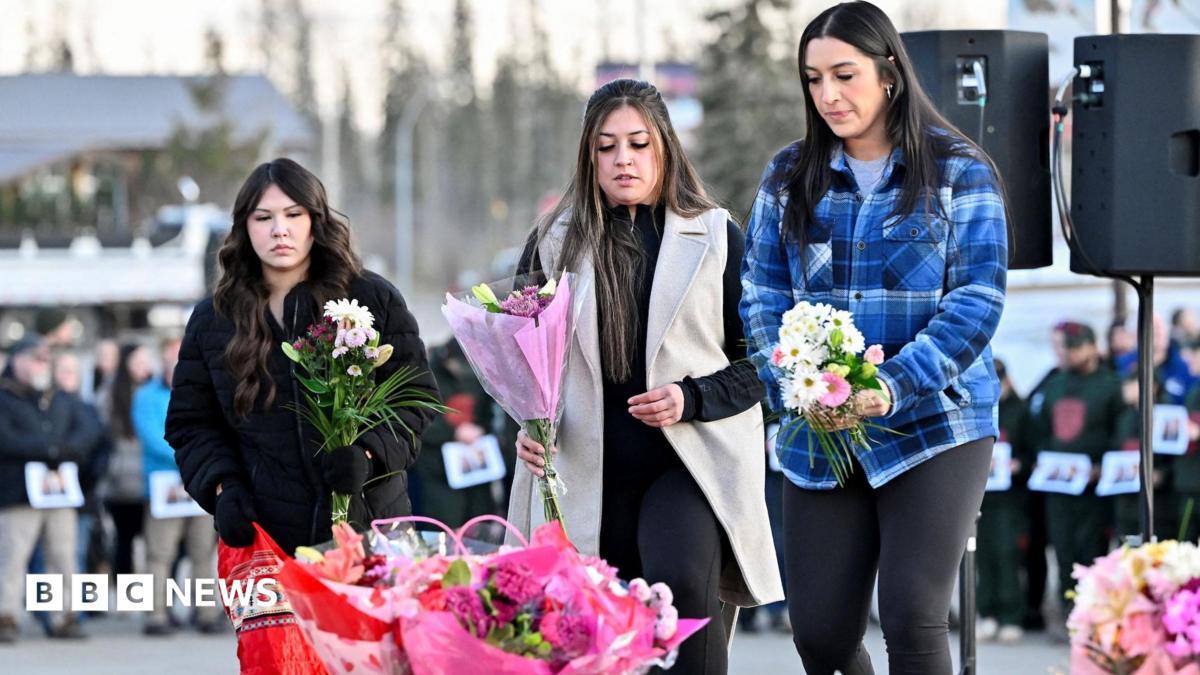
Accounts differ on casualty totals, timelines and how the two school incidents have been described. Several outlets describe an 18-year-old who killed eight people and later died by what police say was a self-inflicted gunshot.
“Van Rootselaar, an 18-year-old, is accused by Canadian police of killing eight people, wounding about 25 and then killing herself in a mass shooting in Tumbler Ridge in early February 2026.”
Other reports describe a separate attack that killed six (a teaching assistant and five students) and note community mourning in a small Rockies town. These differences appear because some articles focus on the Tumbler Ridge attack tied to Van Rootselaar while others report on a distinct, nearby school shooting or use different victim counts and dates.
Differences in media coverage
Coverage differs in tone and in the details each outlet highlights. Several mainstream Western outlets (The Globe and Mail, BBC, Associated Press, Toronto Star) emphasize OpenAI’s stated policies and its post-attack cooperation with police, while Asian outlets (South China Morning Post, The Straits Times, Firstpost) combine policy detail with explicit casualty counts and family details. Firstpost uniquely includes reporting about the shooter’s alleged mental-health history and a quote from an estranged father, and it also contains unrelated coverage about alleged Iranian tech theft, showing a different editorial scope.
Account detection and response
OpenAI’s automated systems detected and banned an account linked to Jesse Van Rootselaar in June 2025. Company staff debated whether to alert authorities. OpenAI says it did not refer the account then because it judged there was no imminent, credible plan.
“The flagged June posts, reportedly about gun violence, did not meet OpenAI’s internal threshold for notifying police...”
The company says it reached out to police only after the later school killings. Sources diverge on victim counts, the sequence of events, and the emphasis each outlet places on staff warnings versus corporate policy. As a result, the full public picture contains clear points of agreement and clear uncertainties.
