Iran15 February, 20263 min read
Over 200,000 Protesters in Munich Call for Overthrow of Iranian Regime
Munich turnout reported between 200,000 and 250,000 protesters, sources differ Reza Pahlavi urged overthrow and requested U.S. support, saying he's ready to lead
18 outlets told this the same way.
Munich protest for Iran
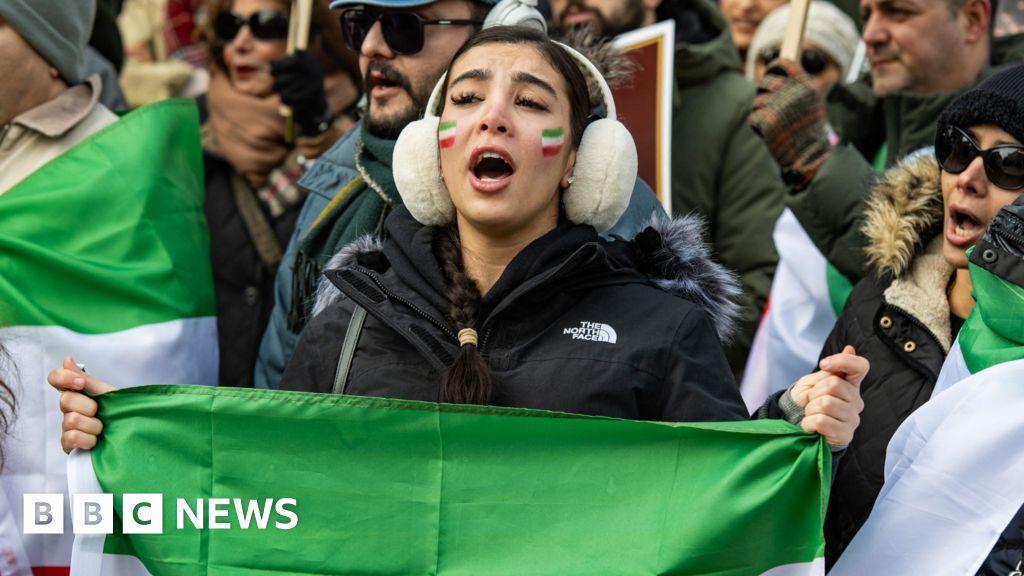
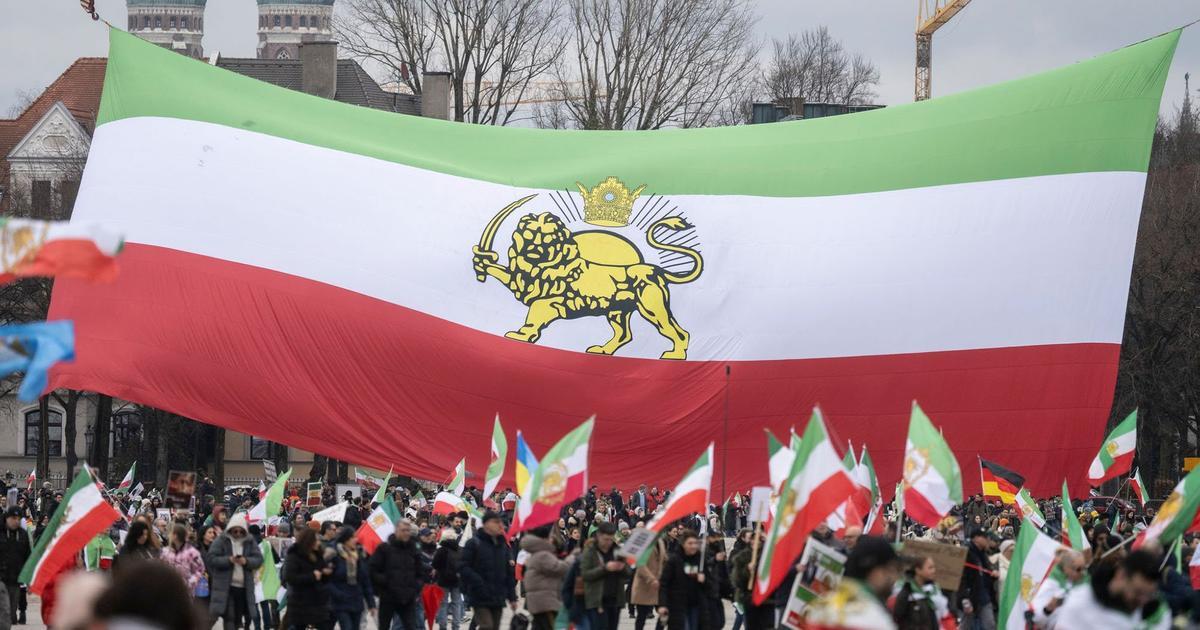
On Feb. 15, 2026, a mass rally of roughly 200,000 people gathered in Munich alongside the Munich Security Conference to demand the overthrow of Iran’s ruling clergy and to call for democratic change.
“The Munich gathering—held alongside a major international security event—is portrayed as a potential turning point, signaling strong momentum for change and broad public desire for democracy, freedom, and separation of religion and state.”
The event featured chants of "regime change," the pre-1979 lion-and-sun flag, and a speech by exiled crown prince Reza Pahlavi offering to lead a transition to a secular, democratic Iran.

Multiple accounts place the Munich crowd at around 200,000 (some sources give slightly higher figures) and describe synchronized rooftop chants and pre-revolutionary symbolism.
Reports also note attendance by Western political figures, including U.S. politicians who publicly voiced support.
The Munich demonstration was described as part of a wider "global day of action" with parallel rallies in cities such as Toronto, Los Angeles, Sydney and Melbourne.
Global diaspora demonstrations
The Munich rally formed the centerpiece of a coordinated global day of action that saw large diaspora demonstrations from Toronto and Los Angeles to Sydney, Melbourne and Zurich. Reported crowd sizes varied widely by outlet and location. Firstpost cited Toronto at about 350,000.
BBC and Al Jazeera reported preregistration and police-verified counts in the low hundreds of thousands for some cities. Local reports across Australia put turnout in multiple cities ranging from thousands to several thousand. The gatherings included visible symbols of the pre-1979 era and Pahlavi imagery, and some attendees wore novelty items such as red "Make Iran Great Again" caps, reflecting a mix of solidarity slogans and partisan signaling among sections of the diaspora.

Casualty estimates in Iran
Reporting highlights starkly different accounts of the violence inside Iran and the human cost of the crackdown. Activist and rights‑group tallies cited by several outlets put the death toll in the thousands to tens of thousands, with Human Rights Activists News Agency figures ranging around 7,005–7,010 in multiple reports and some activist-leaning counts or warnings referencing numbers as high as 30,000.
“US‑based HRANA had verified about 6,500 deaths and more than 53,000 arrests in Iran as of Feb. 8, while a doctors’ group has claimed casualties could be as high as 30,000.”
Iranian official figures acknowledged several thousand dead but gave lower exact totals such as 3,117. Some outlets noted that independent verification was not possible because of disrupted communications and contested methodologies, leaving a wide and unresolved range of casualty estimates.
Reaction to Pahlavi's offer
Reza Pahlavi’s public offer to 'lead a transition' and his appeal for international backing drew both support and criticism among diaspora demonstrators and commentators. Several outlets quoted Pahlavi pledging to oversee a move 'to a secular, democratic future' and urging democracies, including specific appeals to the United States, to act.
Reporting also noted visible opposition within the crowd and criticism over his family's monarchical legacy and past ties, including a contentious visit to Israel in 2023 that some sources said divided the opposition. Coverage presented Pahlavi as a focal point of unity for some protesters and a polarizing figure for others.
Munich rallies and diplomacy
The Munich rallies unfolded against heightened diplomatic and military tension. Reporting notes an increase in U.S. military posture in the region, including the deployment of a second carrier group. Diplomats say Oman has mediated talks and Geneva is set to host further indirect U.S.–Iran discussions.
“Speaking at the conference, Pahlavi urged democracies (including President Trump) to act or risk more deaths and praised the U.S. decision to send a second carrier group to the region.”
Commentators linked international pressure and the rallies. Some U.S. politicians publicly said a change of Iran's government would be preferable. Outlets diverged on emphasis between calls for tougher measures and ongoing diplomacy, reflecting different editorial priorities and geopolitical lenses.