Pakistan22 March, 20264 min read
Pakistan Army and Jamaat-e-Islami Genocide of Bengalis: Landsman Seeks US Recognition
This article is an automated aggregation of coverage from news outlets. Our editorials offer in-depth analysis curated by the NewsCord team.
Landsman introduced a US House resolution recognizing 1971 Pakistani Army atrocities as genocide. Resolution targets Pakistani Army and Jamaat-e-Islami for 1971 atrocities during Operation Searchlight.
Operation Searchlight Origins
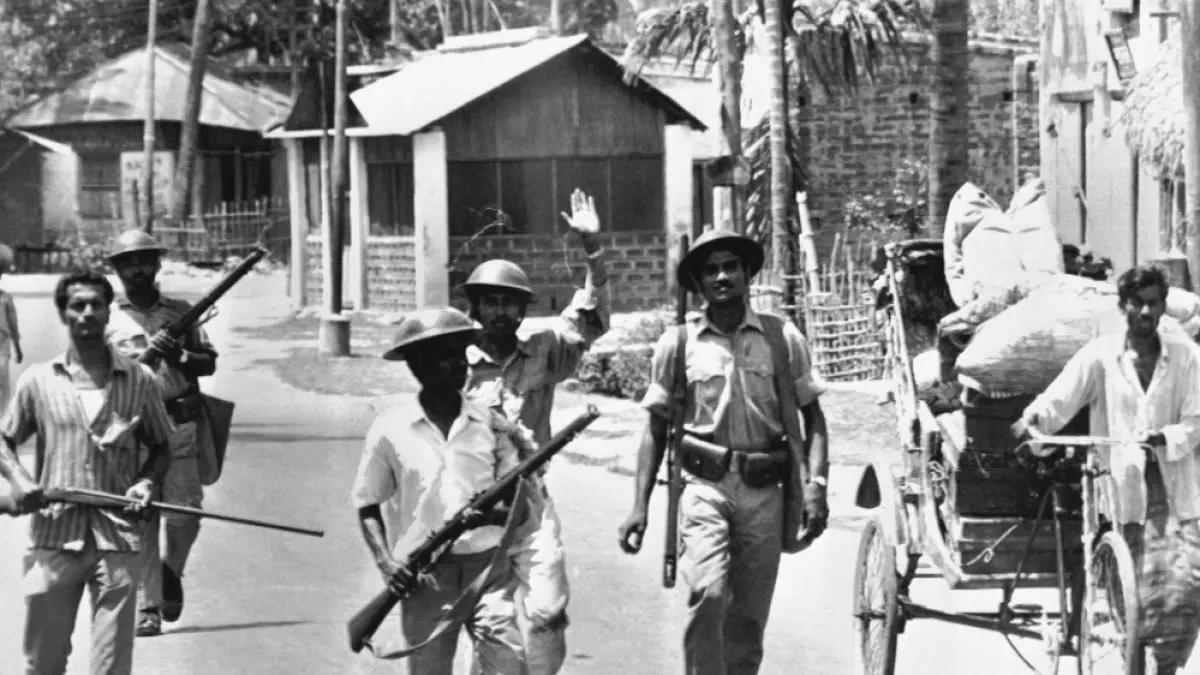
Operation Searchlight, launched on March 25, 1971, marked the beginning of a brutal military crackdown by the Pakistani Army against the civilian population of East Pakistan. The operation was ordered by Pakistan's military leaders under General Yahya Khan following the Awami League's electoral victory led by Sheikh Mujibur Rahman, who was imprisoned during the initial attack. This coordinated campaign of violence rapidly spread across East Pakistan, including Dhaka, Chittagong, Rajshahi, Khulna, and Jessore.
“Targets had been identified in advance. Beyond Dhaka, the operation spread rapidly to Chittagong, Rajshahi, Khulna, and Jessore. In the weeks and months that followed, what began as a military crackdown evolved into a prolonged campaign of terror across the entire territory of East Pakistan, lasting until the Pakistani Army's formal surrender to Indian and Bangladeshi forces on 16 December 1971.”
The operation evolved from a military operation into a prolonged campaign of terror that lasted until Pakistan's formal surrender on December 16, 1971. The systematic nature of the violence was later documented by multiple sources, including US diplomats who witnessed the atrocities firsthand.

Collaborator Role
The Pakistani Army did not carry out the atrocities alone, receiving significant assistance from aligned Islamist groups, most notably those inspired by Jamaat-e-Islami ideology. These collaborators, collectively known as Razakars, along with Al-Badr and Al-Shams militias, played a notorious role in identifying, targeting, and killing Bengali civilians. The resolution specifically names Jamaat-e-Islami as a co-perpetrator of the violence directed at Bengali Hindus.
Their involvement was particularly evident in the final days of the war during what became known as the Intellectual Massacre of 1971. During this period, they systematically targeted and murdered Bengali intellectuals in a campaign aimed at decimating the intellectual class of the emerging Bangladeshi nation.
Diplomatic Evidence
US diplomatic officials in Dhaka provided crucial documentation of the unfolding atrocities, with US Consul General Archer Blood sending a telegram on March 28, 1971, titled 'Selective Genocide'. Blood reported: 'Moreover, with support of Pak military, non-Bengali Muslims are systematically attacking poor people's quarters and murdering Bengalis and Hindus.' Nine days later, on April 6, 1971, Blood sent what became formally known as the Blood Telegram, a direct objection to the official US government silence signed by 20 members of the Consulate General Dacca.
“One of the most powerful elements of Landsman's resolution is its invocation of the Blood Telegram - a piece of diplomatic history that remains one of the most remarkable acts of conscience in the annals of American foreign service. On 28 March 1971, US Consul General in Dacca, Archer Blood, sent a telegram to Washington titled simply Selective Genocide. In it, Blood wrote with unmistakable clarity: 'Moreover, with support of Pak military, non-Bengali Muslims are systematically attacking poor people's quarters and murdering Bengalis and Hindus.'”
The telegram stated: 'But we have chosen not to intervene, even morally, on the grounds that the Awami conflict, in which unfortunately the overworked term genocide is applicable, is purely an internal matter of a sovereign state.' These diplomatic communications provided contemporary evidence of the systematic nature of the violence and the US government's calculated inaction despite clear evidence of genocide.
Landsman's Resolution
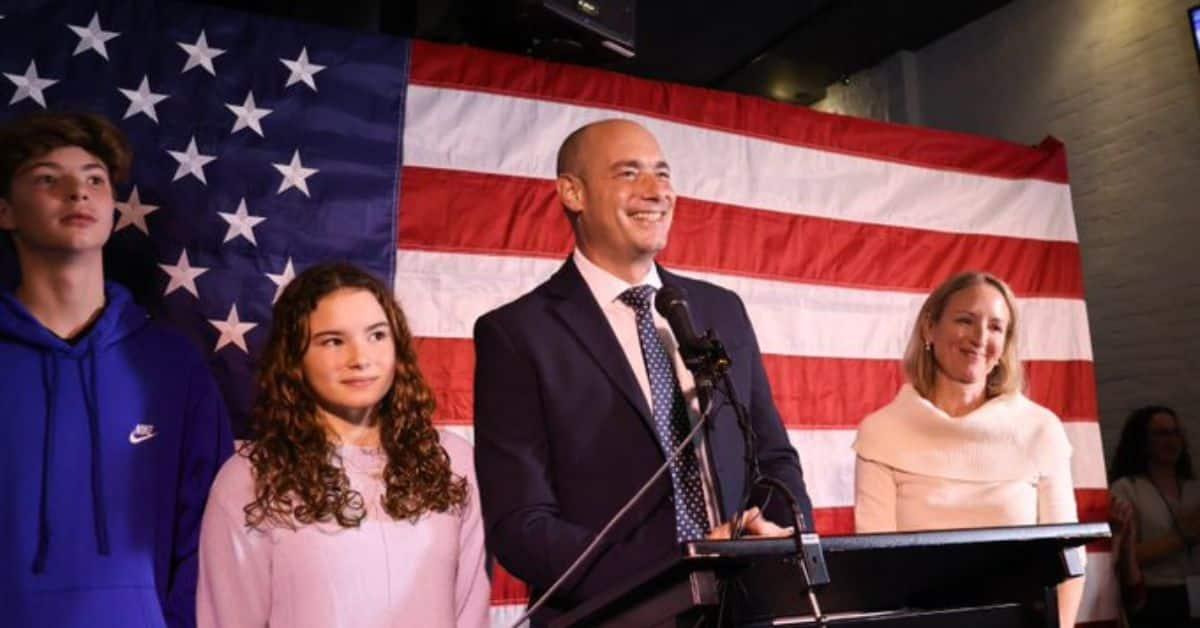
Democratic Congressman Greg Landsman from Ohio has introduced a resolution in the House of Representatives seeking formal US recognition of the 1971 atrocities as genocide, war crimes, and crimes against humanity. The resolution specifically calls on the President of the United States to recognise the atrocities committed against ethnic Bengali Hindus by the Armed Forces of Pakistan during 1971 and their allies in Jamaat-e-Islami. Landsman argues that 'History demands truth' and that the systematic campaign of terror launched by the Pakistani military meets the United Nations definition of genocide.
The resolution has been referred to the House Committee on Foreign Affairs for further review. This represents a significant effort to achieve formal acknowledgment of these historical atrocities by the United States government.

Human Cost
The atrocities committed during Operation Searchlight and the subsequent nine-month war resulted in enormous human suffering and displacement, though the exact death toll remains highly disputed. The Bangladesh government and many historians cite a death toll of three million, while Pakistani government investigations and some Western academic sources place the figure considerably lower, in the range of 300,000 to 500,000. Independent scholars generally situate the number somewhere between these two extremes.
“The human cost of Operation Searchlight and the nine-month war it ignited remains one of the most disputed figures in modern South Asian history. The Bangladesh government and many historians cite a death toll of three million. Pakistani government investigations and some Western academic sources place the figure considerably lower, in the range of 300,000 to 500,000. Independent scholars generally situate the number somewhere between the two. What is not disputed is the scale of the displacement - approximately ten million refugees fled East Pakistan into neighbouring India during the conflict — nor the systematic nature of the violence directed at specific communities, most particularly Bengali Hindus, who comprised roughly 20 per cent of East Pakistan's population at the time and bore a disproportionate share of the killing.”
What is not disputed is the scale of the displacement - approximately ten million refugees fled East Pakistan into neighbouring India during the conflict. Furthermore, while ethnic Bengalis of all faiths were targeted, Hindus were disproportionately affected, comprising roughly 20 per cent of East Pakistan's population but bearing a disproportionate share of the killing.

Ongoing Concerns
The resolution seeks not only historical recognition but also addresses ongoing concerns about religious minorities in contemporary Bangladesh. It calls for the protection of religious minorities in Bangladesh, where concerns over the safety of Hindus and other minority communities continue to be raised. Utsav Chakrabarti, Executive Director of HinduACTion, emphasized that advocacy groups have worked with diaspora communities to bring attention to the plight of religious minorities.
Chakrabarti stated: 'Our team at HinduACTion has worked tirelessly with the Bangladeshi diaspora and the American Hindu community to address the plight of Hindus and other minority faiths in Bangladesh.' The resolution also rejects collective guilt of any ethnic or religious group, emphasizing that entire communities should not be held responsible for the actions of individuals.