Full Analysis Summary
Pakistan Sugarcane Season Warning
Pakistan’s Food Security Minister Rana Tanveer Hussain warned sugar mills of strict action if they delay the sugarcane crushing season.
Authorities say the crushing season must start on November 15.
This warning highlights the government’s effort to protect farmers and stabilize sugar supplies and prices.
West Asian sources report both the warning and its timing.
They note the government’s focus on preventing farmer exploitation and ensuring payments before crushing begins.
The policy is also connected to broader market stability concerns amid recurrent disruptions in Pakistan’s sugar sector.
Coverage Differences
tone
Arab News (West Asian) frames the move as a response to past market abuses, emphasizing recurring issues of “hoarding and cartelization” that triggered “public outcry,” whereas Arab News PK (West Asian) spotlights sugar’s status as a widely consumed staple and links price spikes to “public unrest and political criticism,” placing more emphasis on consumer and political impacts.
narrative
Arab News (West Asian) centers farmer protection from exploitation alongside market discipline, while Arab News PK (West Asian) foregrounds the political salience of sugar prices for the broader public, adding a governance-cost dimension not highlighted in the other piece.
missed information
Arab News PK (West Asian) does not mention “hoarding and cartelization,” while Arab News (West Asian) does; conversely, Arab News (West Asian) does not explicitly mention “public unrest and political criticism,” which Arab News PK highlights.
Impact of Delayed Cane Crushing
Both sources link delayed crushing to concrete harms for growers, including reduced cane quality and a knock-on delay to the next sowing cycle.
Officials are trying to break a recurring pattern in which mills’ late starts squeeze farmers and cause supply and price instability.
The minister wants payments to reach farmers before any crushing begins, a move presented as a guardrail against exploitation in the supply chain.
Coverage Differences
narrative
Arab News (West Asian) details the agronomic and cycle-based losses—“reducing crop quality” and “delaying the next sowing cycle”—to underscore farmer harm, while Arab News PK (West Asian) restates these losses but more prominently couples them with the government’s pledge to ensure pre-crushing payments and prevent exploitation.
tone
Arab News (West Asian) uses sharper language around safeguarding farmers from “exploitation,” while Arab News PK (West Asian) pairs that concern with payment logistics, presenting a more administrative and process-focused tone.
Sugar Board Meeting Outcomes
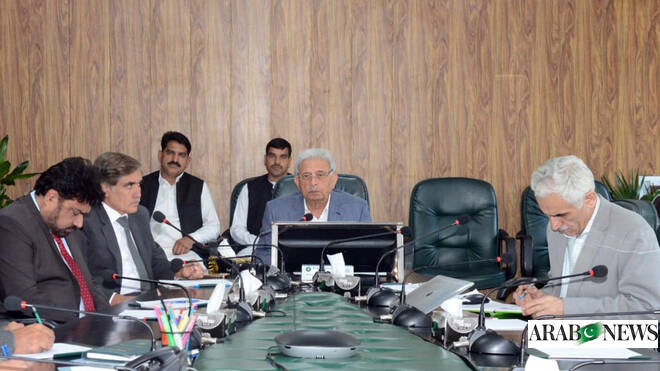
The decision, both outlets report, emerged from a Sugar Advisory Board meeting in Islamabad with representation from sugar mills, provincial cane commissioners, and government ministries.
The convening is portrayed as the forum where timelines were set and compliance expectations laid down to prevent supply disruptions and price spikes.
By formalizing start dates and payment rules, the government aims to cut through recurrent disputes and market manipulation that have previously inflamed public sentiment.
Coverage Differences
missed information
Arab News (West Asian) explicitly references “hoarding and cartelization” as chronic market problems addressed by the move, while Arab News PK (West Asian) does not mention those terms, instead highlighting how sugar’s ubiquity and political sensitivity raise the stakes of any delay or spike.
tone
Arab News PK (West Asian) stresses the political repercussions of price spikes—“public unrest and political criticism”—while Arab News (West Asian) emphasizes disciplining the market and protecting farmers from exploitation within an allegedly cartelized environment.
Enforcement and Compliance Measures
Enforcement is the centerpiece: the minister, both sources report, threatened mills with action if they do not commence crushing by mid-November.
Compliance is tied to farmer protections such as pre-crushing payments.
The message pairs deterrence with social-stability aims—curbing practices described as exploitation and alleged cartel behavior.
It also aims to avert the kind of price shocks that fuel public anger.
Coverage Differences
narrative
Arab News (West Asian) fuses the enforcement threat with a critique of market conduct—hoarding/cartelization—while Arab News PK (West Asian) situates the threat within a governance framework that seeks to defuse public unrest and political blowback from price volatility.
tone
Both outlets report the same enforcement language, but Arab News (West Asian) strikes a harder accountability tone with repeated references to “exploitation,” while Arab News PK (West Asian) balances that with emphasis on ensuring payments before crushing and the political sensitivity of sugar prices.