Pakistan08 November, 20252 min read
Pakistan Government Guarantees Rs659 Billion to Bail Out Power Sector Circular Debt
This article is an automated aggregation of coverage from news outlets. Our editorials offer in-depth analysis curated by the NewsCord team.
Economic Coordination Committee approved Rs659.6 billion government guarantee for power sector debt The Rs659.6 billion guarantee supports settlement of Rs1.225 trillion circular debt involving Power Holding Limited
7 outlets told this the same way.
Outlets did split on Passenger Train Derails Near Sher Shah Bridge In Punjab, Killing Four And Injuring 30 →
Pakistan Circular Debt Plan
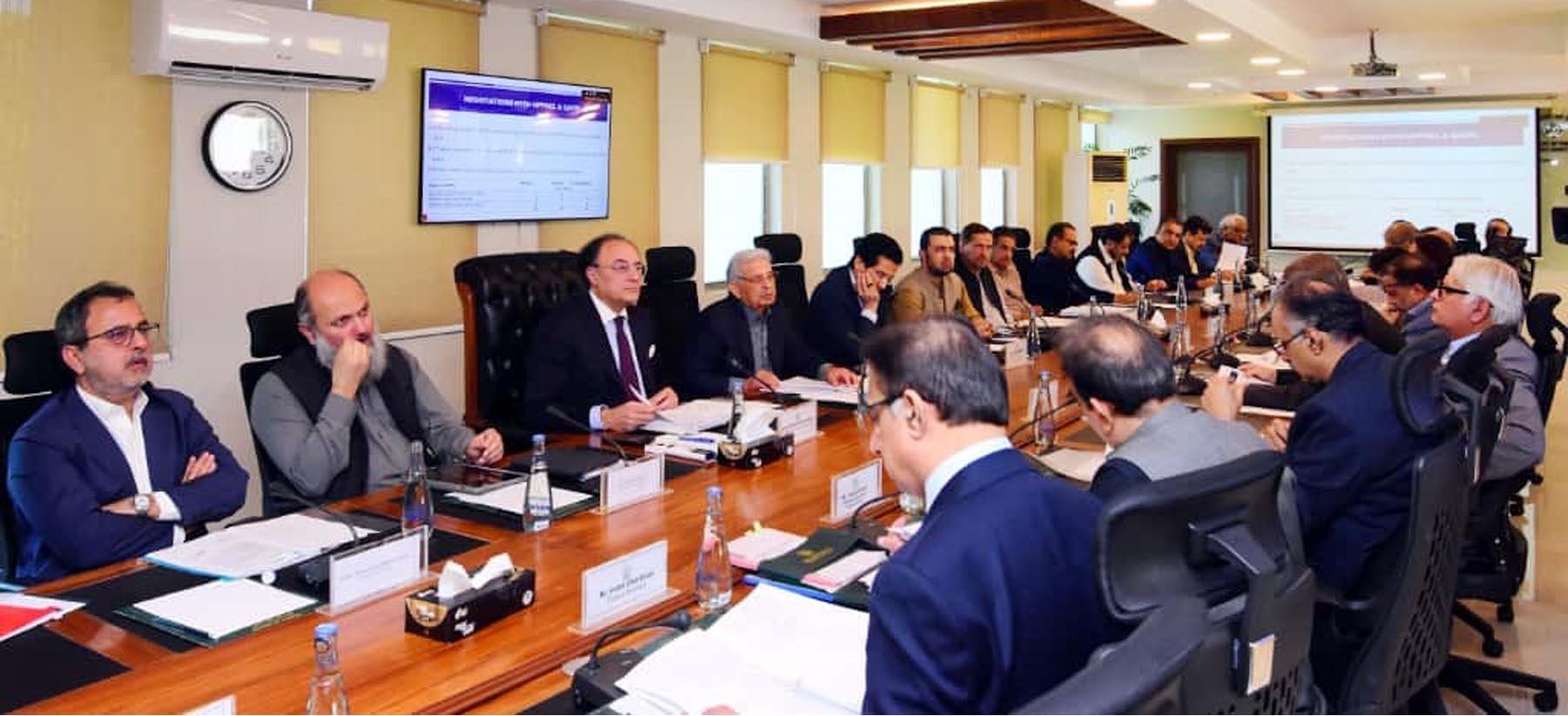
Pakistan’s Economic Coordination Committee (ECC), chaired by Finance Minister Muhammad Aurangzeb, approved a government guarantee of around Rs659.6 billion. This guarantee is part of a larger Rs1.225 trillion circular debt financing plan for the power and gas sector. The move aims to address Pakistan’s persistent circular debt problem by expediting payments.
“The Economic Coordination Committee (ECC) of Pakistan approved a government guarantee exceeding Rs659 billion ($2.3 billion) to finance circular debt amounting to Rs1.225 trillion ($4.3 billion) in the power and gas sector.”
These payments include clearing dues to independent power producers (IPPs) and settling Power Holding Limited’s (PHL) debt. The plan also seeks to stabilize the energy sector’s finances. In some reports, it is noted that the plan supports consumer relief and sustainability goals.

Electricity Sector Financing Plan
The financing mechanism relies on a bank loan backed by a sovereign guarantee and a Letter of Comfort from the Finance Division. Lenders initially refused to fund the sector without additional assurances. Electricity consumers are slated to repay the loan via a Rs3.23 per unit surcharge.
The proceeds help settle PHL debt and overdue IPP payments. These steps are presented variously as stabilizing sector finances or easing consumer burdens.

Phasing Out Remittance Subsidies
Alongside the guarantee, the ECC moved to phase out the Home Remittance Incentive Scheme (HRIS) subsidies by 2027 in a gradual, data-driven manner. This approach aims to avoid disruptions to remittance inflows. The government allocated Rs100 billion for HRIS subsidies in the current fiscal year.
“The ECC also approved the gradual phase-out of the Home Remittance Incentive Scheme (HRIS) by FY27, following recommendations to rationalize incentives without disrupting remittance inflows.”
Plans are in place to evaluate the scheme’s future after FY26. Some coverage focused on the power-sector measures and omitted HRIS entirely.
Fertiliser Supply and Gas Allocation
To secure agricultural inputs, the ECC moved gas supplies toward fertiliser production by allocating 170 mmcfd from Mari Fields over two years. This allocation is supported by a $200 million infrastructure investment. Complementary steps include shifting three fertiliser plants to the Mari Energies network, completing the transfer of all ten plants.
These plants operate with flexible supply arrangements and pricing linked to OGRA. Other coverage summarized the allocation and pricing goal as ensuring affordable fertiliser supply.
Financial Measures in Energy Sector
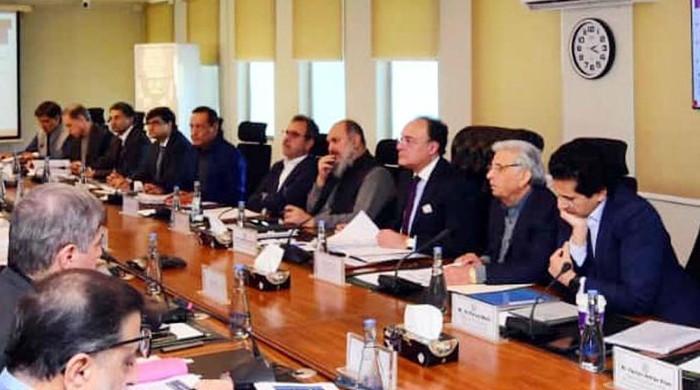
Further financial measures included waiving late‑payment interest for the Pakistan Atomic Energy Commission (PAEC). These measures also involved authorizing new nuclear tariff petitions and restructuring power purchase agreements. Payments to OGDCL were also approved as part of the financial steps.
“Additional financial decisions included waiving Rs119.5 billion in late payment interest for the Pakistan Atomic Energy Commission (PAEC), passing Rs22 billion of financial obligations to gas consumers, and authorizing lump-sum payments to OGDCL.”
Notably, sources differ on the PAEC waiver figure, with estimates of Rs119.5 billion versus Rs120 billion. There is also disagreement on whether consumers should expect relief soon. Some members have warned of tariff increases despite the rationalisation steps.