Pakistan08 January, 20262 min read
Pakistan in Talks With Saudi Arabia to Repay $2 Billion Loan with JF-17 Fighter Jets
Pakistan and Saudi Arabia negotiating conversion of $2 billion in Saudi loans into JF-17 jets Discussions follow a mutual defense pact, signalling deepening Pakistan–Saudi military cooperation
21 outlets told this the same way.
Outlets did split on Tehrik-E-Taliban Pakistan Suicide Attack Kills At Least 27 in Kohat Mosque Blast →
Pakistan-Saudi defence talks
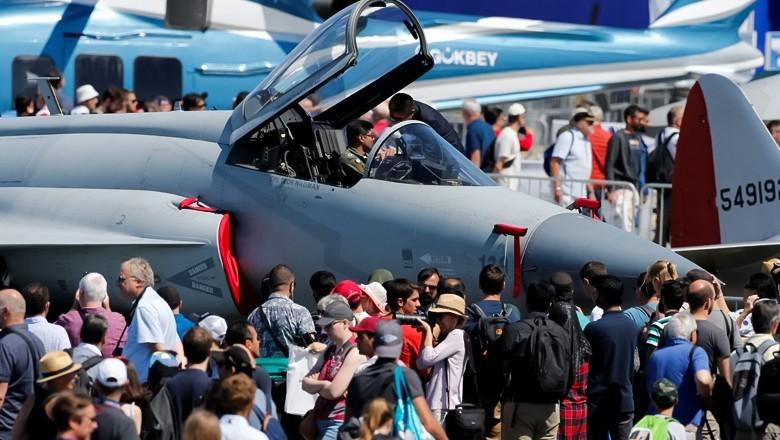
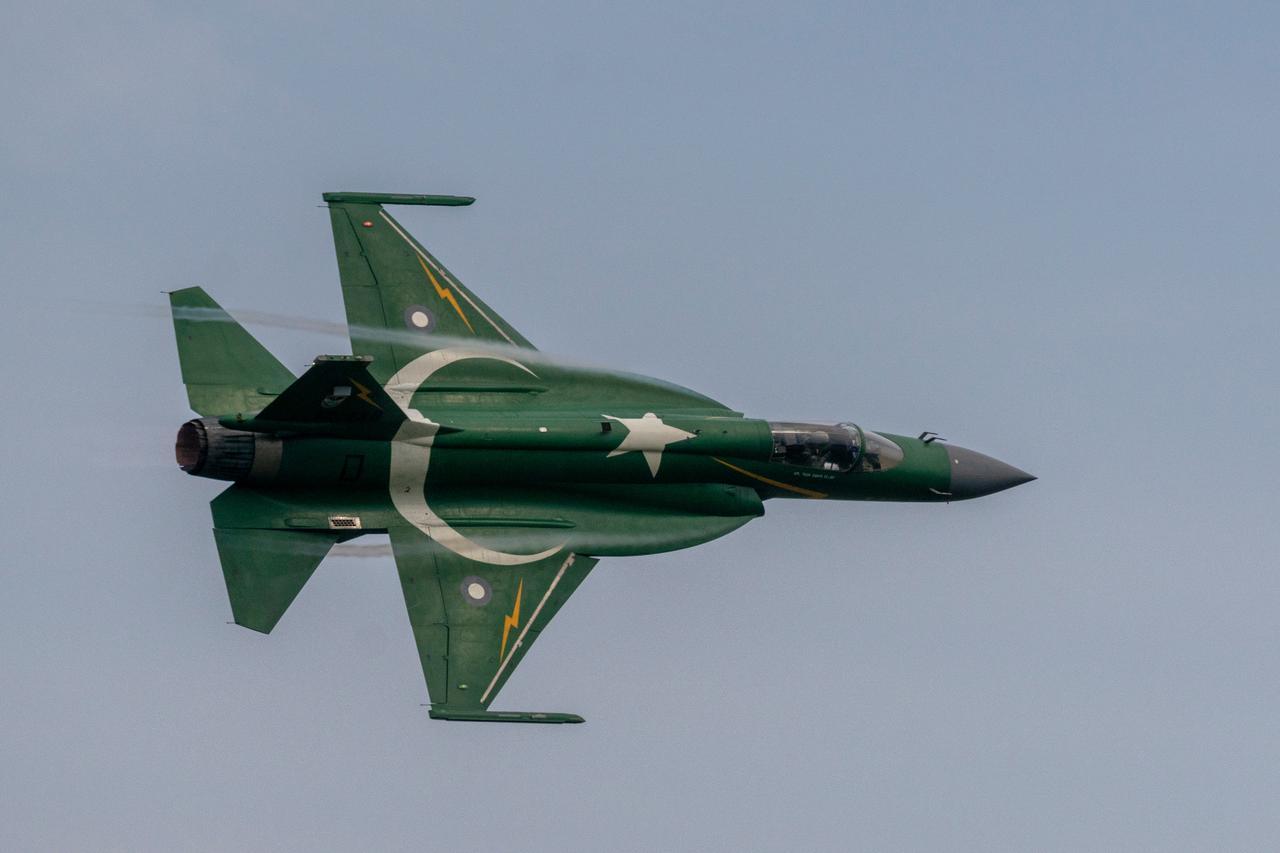
Pakistan and Saudi Arabia are reported to be negotiating a proposal to convert about $2 billion in Saudi loans to Pakistan into a defence procurement deal centered on JF-17 Thunder fighter jets, according to Reuters-sourced reporting cited by multiple outlets. Several reports say the talks were disclosed by two Pakistani sources and that the JF-17 — a Pakistan–China co-developed lightweight multirole fighter produced in Pakistan — is the primary option under discussion; one source put the overall deal at roughly $4 billion if additional equipment is included. The discussions are described as part of a broader push to deepen military cooperation under a recent mutual defence pact.
“Pakistan and Saudi Arabia are negotiating converting roughly $2 billion in Saudi loans into a defence deal centered on JF-17 Thunder fighter jets, two Pakistani sources told Reuters.”
JF-17 package overview
Reporting across outlets repeatedly identifies the JF-17 as the platform under consideration and highlights Pakistan’s role in production and co-development with China. Several outlets also name the more advanced JF-17 Block III as the likely variant.
Coverage notes the potential package would include not just airframes but weapons, electronics, spares and training. Those elements together explain reporting that the overall package could reach roughly $4 billion, described as a $2 billion loan conversion plus an additional $2 billion for equipment, training and support.

Loan‑to‑jets coverage
Multiple outlets place the talks within Pakistan’s acute fiscal stress, noting Islamabad is on an IMF programme commonly described as a $7 billion arrangement and that it has received repeated Saudi financial support in prior years.
“The move comes amid Pakistan’s ongoing financial strain (it is under a $7 billion IMF programme following a near-default last year) and Saudi Arabia’s desire to bolster its security ties as US policies in the Middle East shift.”
Coverage therefore frames the loan‑to‑jets idea as a pragmatic or unconventional way to manage external liabilities while also potentially boosting Pakistan’s defence exports and local industry.
Saudi security talks context
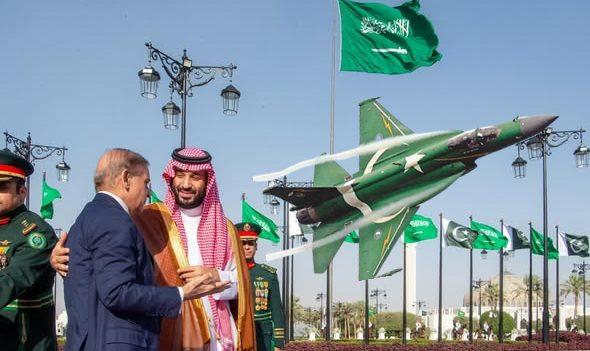
Observers and outlets emphasise strategic implications for Riyadh as it seeks to diversify security partnerships and potentially hedge perceived uncertainty over U.S. commitments. Reports link the talks to operationalising the recent mutual defence pact between Pakistan and Saudi Arabia.
Dialogue Pakistan notes the pact followed Israeli strikes on sites in Doha that raised regional concerns. Other outlets stress Saudi efforts to add a cost-effective combat aircraft to its fleet.
Uncertainty over Pakistan talks
Significant uncertainty remains because reporting relies on anonymous Pakistani sources cited by Reuters. Outlets note the talks are ongoing with no confirmed deal and official Pakistani authorities have not publicly confirmed an agreement.
“One source said the overall deal could total about $4 billion, including an additional $2 billion of equipment beyond the loan conversion; the sources spoke anonymously due to the sensitivity of the talks.”
Some outlets explicitly describe the reporting as provisional and say the Pakistani foreign office has no confirmed information. Other outlets reiterate that, if a deal is reached, it could include broader equipment, training and support.