
Pakistan Interior Minister Delivers Asim Munir Letter to Ayatollah Seyyed Mojtaba Khamenei in Tehran
Key Takeaways
- Mohsin Naqvi delivered a letter from Army Chief Gen. Asim Munir to Ayatollah Khamenei.
- The message addressed current conditions and bilateral topics, including border security and counter-narcotics.
- Message delivered on behalf of Gen. Munir and Prime Minister Shehbaz Sharif.
Pakistan envoy to Tehran
Pakistan’s Interior Minister Iskander Momeni said on Saturday night that part of his visit was devoted to bilateral topics including border security, the fight against drugs, and counterterrorism, and he said the two sides agreed to increase the volume of trade from $3 billion per year to $10 billion per year.
“Pakistan’s Interior Minister said he had delivered a special message from Field Marshal Asim Munir, Chief of Army Staff, to the Supreme Leader of the Islamic Revolution, Ayatollah Sayyed Mujatba Khamenei”
Momeni said he was delivering a special letter from Field Marshal General Asim Munir, Chief of the Army Staff of Pakistan, and Prime Minister Shehbaz Sharif to Ayatollah Seyyed Mojtaba Khamenei, the Leader of the Islamic Republic.
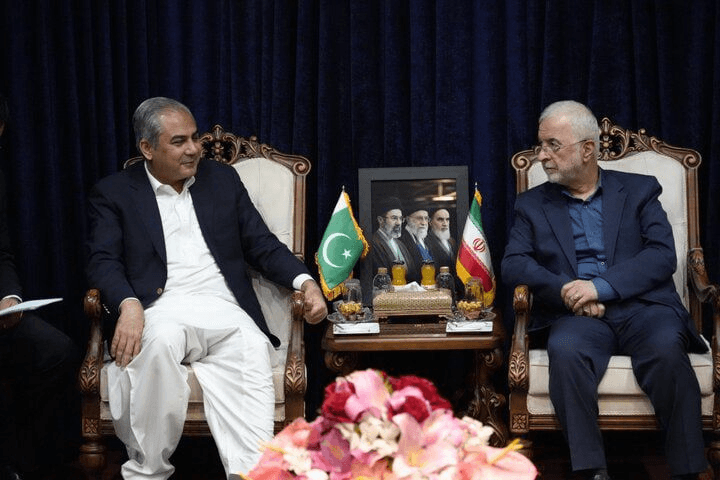
In the same meeting, Syed Mohsen Naqvi said, "I am here to deliver a special letter from Field Marshal General Asim Munir, the Chief of Army Staff of Pakistan, and Prime Minister Shehbaz Sharif, regarding the current conditions, to Ayatollah Seyyed Mojtaba Khamenei".
The reports also place Naqvi’s arrival in Tehran on Saturday night, June 6, 2026, and say he was welcomed by Eskandar Momeni, Iran’s Interior Minister.
Aftab News further said Naqvi was scheduled to meet on Sunday, June 7, 2026, with Seyyed Abbas Araqchi, the Foreign Minister, to discuss and hold talks.
Mediation and negotiating track
Iranian media reported that Tehran sent its reply to a text message it recently received from Washington through Pakistani intermediaries, and the Iranian reply included confidence-building measures and a general framework of the agreement.
The same account says Iranian officials told Reuters that Leader Ayatollah Ali Khamenei issued a directive not to approve sending highly enriched uranium abroad, in line with American demands.
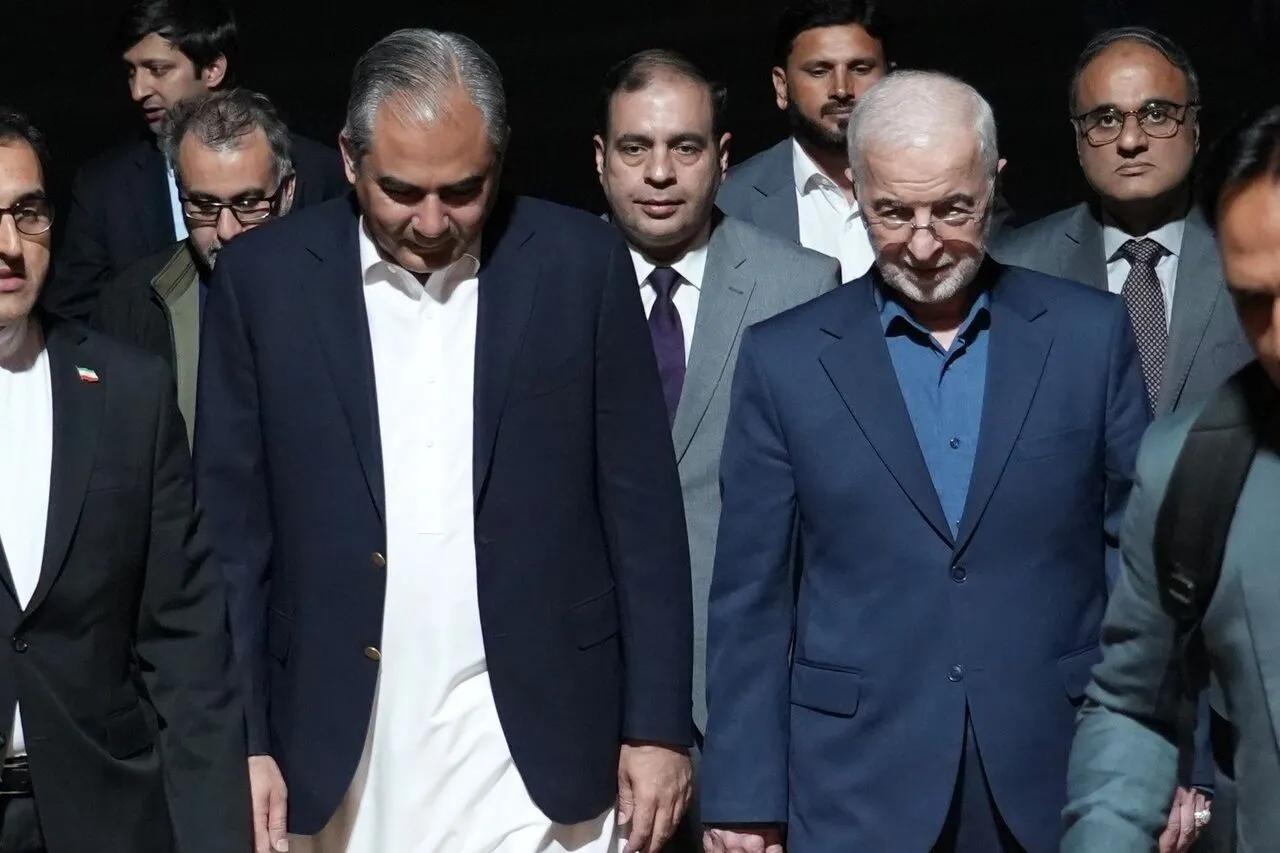
In parallel, the reports say Pakistan’s Army Chief Asim Munir arrived in Tehran on Thursday for an official visit as part of mediation efforts between Tehran and Washington.
The article also frames expectations of a breakthrough after the second visit by Pakistan's Interior Minister Mohsin Naqvi to Tehran on Wednesday and his meetings with prominent Iranian officials, including Foreign Minister Abbas Araghchi.
It adds that Pakistani sources indicated that enriched uranium is the main sticking point in the US–Iran negotiations.
Hormuz passage and fees
On the Hormuz Strait crisis front, the Hormuz Strait Authority published a map showing the passage area that requires coordination to obtain Iranian clearance, and the reports say Iran established a new mechanism for passage through the strait’s waters.
“The exchange of messages between Washington and Tehran over each side's proposals to end the war continues”
The mechanism described prioritizes ships linked to Russia and China, then countries with close ties to Tehran such as India and Pakistan, and it says passage procedures require detailed documents about the vessel, its cargo, its destination, its owner, and its crew.
Two European shipping sources told Reuters that some ships not covered by deals with Tehran pay more than $150,000 to secure safe passage, while two Iranian officials confirmed that security and navigational fees are sometimes charged depending on cargo.
The same report says official media quoted the IRGC Navy as saying that 26 ships passed through the Hormuz Strait within 24 hours in coordination with Iran.
It also says the U.S. military said about 1,500 ships were blocked in the Gulf by early May, while data showed fewer than 60 ships had passed through the strait between April 18 and May 6 after it had previously seen 120–140 ships per day before the war.
More on Iran
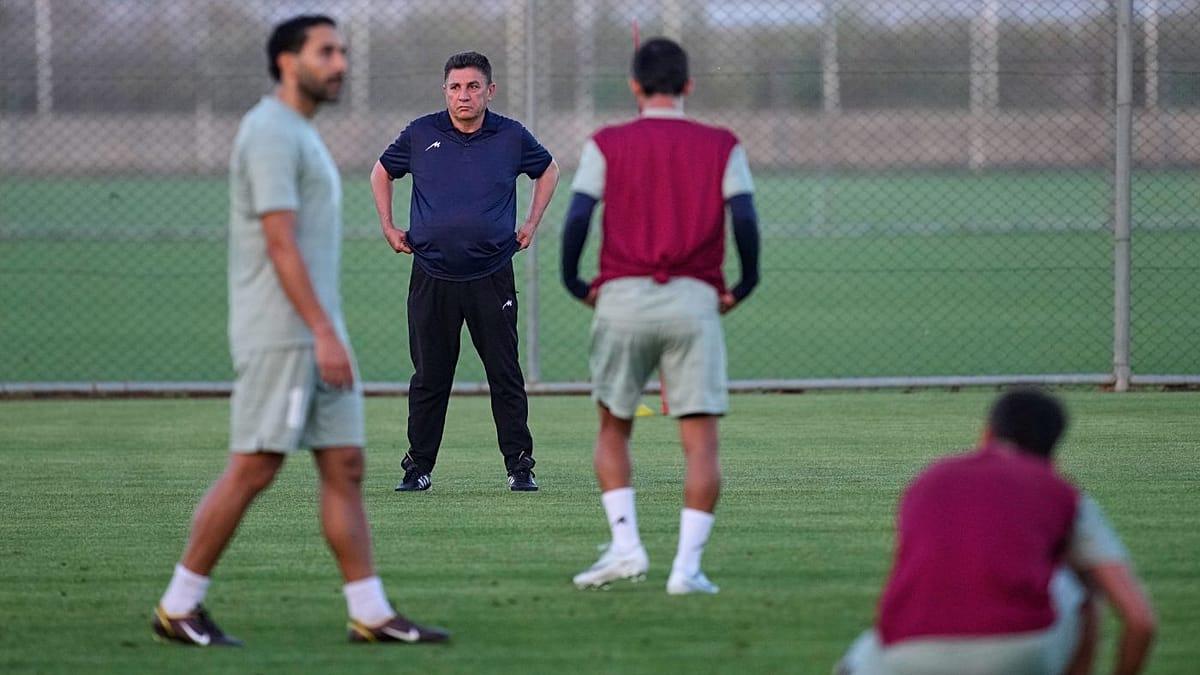
Iran Accuses United States of Blocking World Cup Staff Before 2026 Campaign
13 sources compared
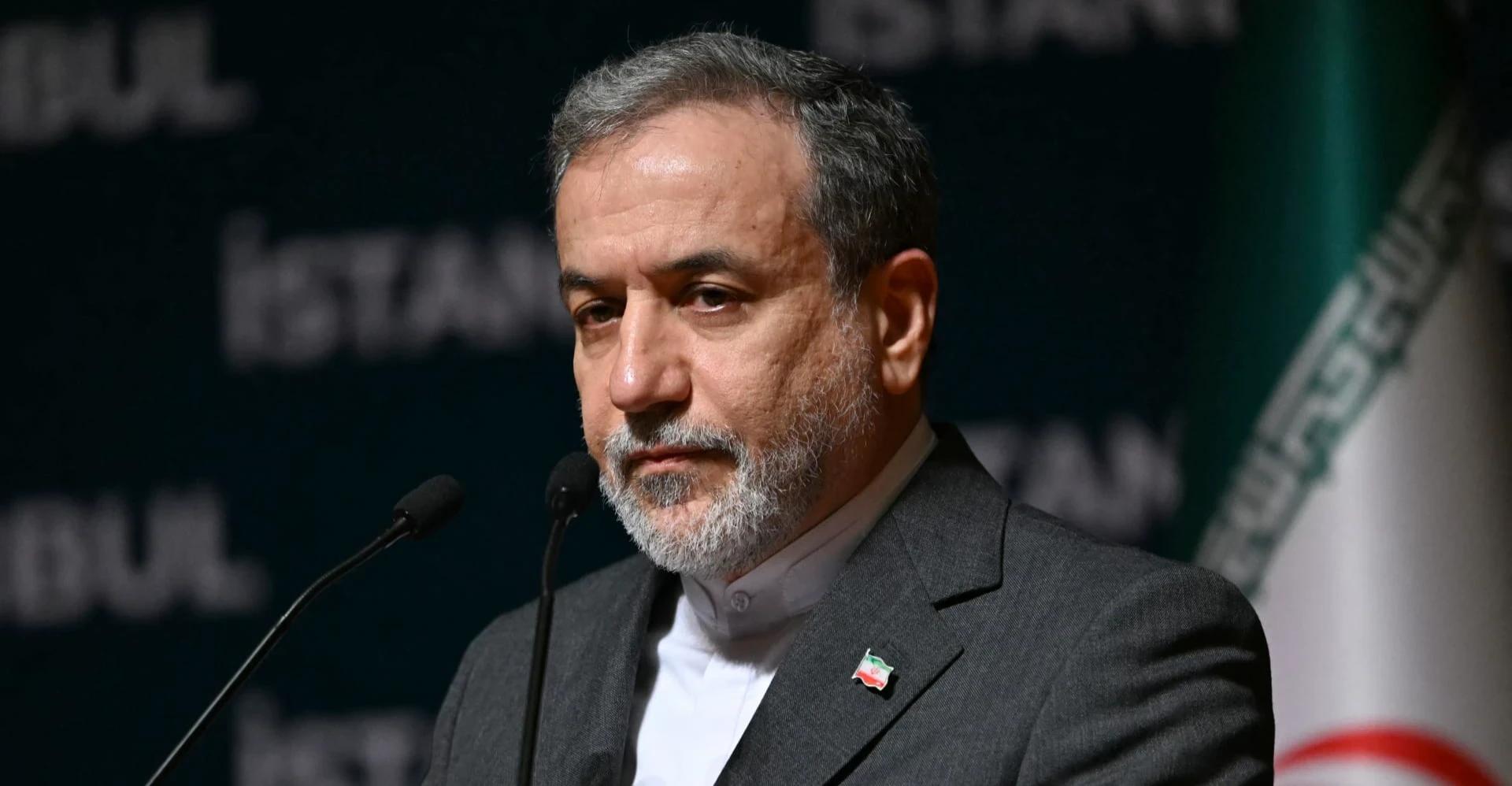
Iran's Araghchi Rebukes Lebanon President Joseph Aoun, Urges Him to Confront Israel
25 sources compared
US Downs Seven Iranian Missiles Over Kuwait and Bahrain After IRGC Strikes US Bases
13 sources compared

Pentagon Raises Israel Espionage Threat To Critical Over Iran Negotiations, Targeting Steve Witkoff
10 sources compared