Pakistan22 February, 20262 min read
Pakistan Kills Dozens, Including Children, in Overnight Air Strikes on Afghanistan
This article is an automated aggregation of coverage from news outlets. Our editorials offer in-depth analysis curated by the NewsCord team.
Pakistan carried out multiple overnight air strikes on Afghan territory, hitting Nangarhar and Paktika provinces. Sources differ on casualty counts, reporting 17 in some accounts and 'dozens' in others.

18 outlets told this the same way.
Outlets did split on Tehrik-E-Taliban Pakistan Suicide Attack Kills At Least 27 in Kohat Mosque Blast →
Pakistan strikes in Afghanistan
Pakistan's military said it carried out multiple overnight air strikes on seven sites inside Afghanistan on Feb. 22.
“Pakistan’s military carried out air strikes early Sunday inside Afghanistan, saying they hit seven ‘camps and hideouts’ of the Tehrik‑e‑Taliban Pakistan (TTP) and an Islamic State affiliate in response to recent attacks on Pakistani soil.”
It described the operations as "intelligence-based" or "intelligence-based selective" targeting Tehrik-e-Taliban Pakistan (TTP) camps and an Islamic State affiliate.
Pakistani statements said the strikes were in retaliation for recent suicide bombings, including a Feb. 6 mosque attack in Islamabad, and other deadly attacks in Bajaur and Bannu.
Pakistani statements framed the strikes as a necessary response to militants it says are plotting attacks from Afghan soil.
Strikes in Nangarhar, Paktika
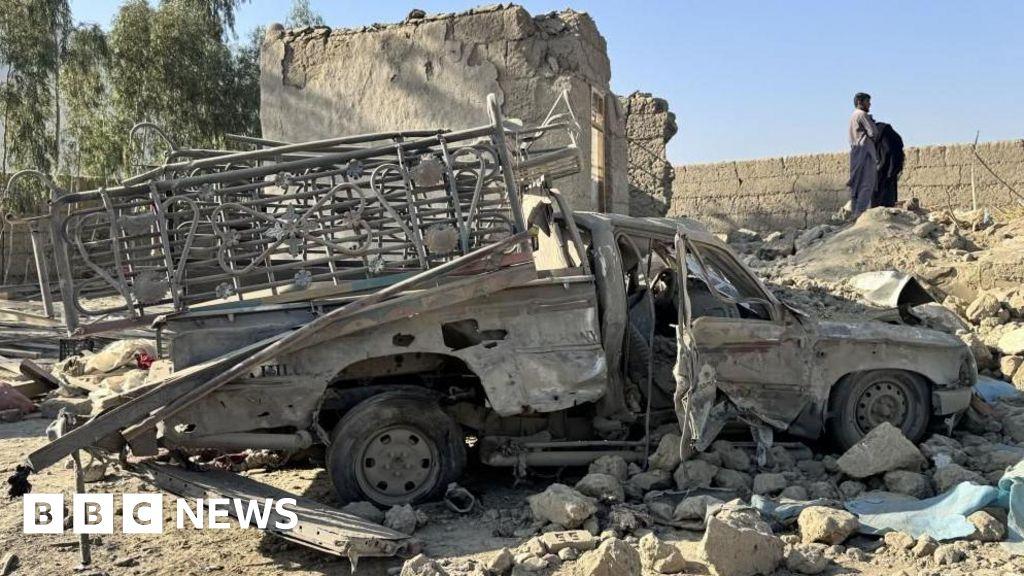
Afghan officials and multiple on-the-ground reports say the strikes hit civilian homes, a religious school or seminary, and residential neighbourhoods in Nangarhar and Paktika provinces. They say the strikes caused "dozens" of deaths and injuries, including women and children.
Local reporting and Afghan ministry statements put confirmed tolls in Bihsud/Behsud and other districts at numbers ranging from at least 17 fatalities to claims that whole families were buried under rubble. Journalists and rescuers described using bulldozers and digging to recover victims from damaged homes.

Reactions to cross-border strikes
Officials on both sides warned of escalation and framed the strikes within a wider, tense context. Islamabad said the operation followed a string of militant attacks inside Pakistan — including a mosque suicide bombing in Islamabad claimed by Islamic State that killed at least 31 people — and warned it would keep "all options on the table."
“The strikes risk undermining a fragile ceasefire between the neighbours after deadly border clashes last year and follow a string of recent attacks in Pakistan, including a Feb. 6 mosque suicide bombing in Islamabad claimed by Islamic State that killed 31 and wounded about 170.”
Afghan authorities and the Taliban’s defence ministry condemned the strikes as severe violations of sovereignty and vowed a measured or "appropriate and calculated" response. Analysts and some reports warned the strikes risk undermining a fragile ceasefire brokered after October border clashes that killed scores.
Media coverage differences
Coverage differs between outlets in tone, detail and what each highlights. West Asian outlets (Al Jazeera, Khaleej Times, Asharq) foreground local casualty accounts and ministry statements. Western mainstream outlets (BBC) balance Pakistani claims and Afghan condemnation while noting family-level tolls.
Asian and local Western outlets (Malay Mail, TimelineDaily, Views Bangladesh) emphasise Pakistan’s justification and the immediate link to recent attacks in Pakistan. Some fringe or non-news items (El-Balad entry) add no reporting. These differences affect readers’ perception of whether the strikes are a counterterror operation or a cross-border attack on civilians.