
Pakistan Maintains Open Channels With United States and Iran Amid Unresolved Tensions
Key Takeaways
- Pakistan maintains open channels with the United States and Iran to de-escalate tensions.
- Pakistan frames dialogue with the US and Iran as key to regional peace.
- Security for Pakistan is linked with Iran, requiring direct dialogue to resolve crises.
Open Channels, Mediation
Pakistan said it has maintained “open channels of communications” with both the United States and Iran in recent weeks while tensions between Washington and Tehran remain unresolved.
“Pakistan today reiterated that it is continuing its intensified efforts with the United States and Iran to achieve lasting peace between the two countries and restore stability to the Middle East region”
Anadolu Ajansı reported that Pakistani Foreign Ministry spokesperson Tahir Andrabi said Islamabad has upheld “sustained interaction” with both sides “in the past few weeks,” adding that Pakistan is committed to “regional stability and international peace.”

In the same account, Andrabi framed Pakistan’s approach as “our preference for principled dialogue oriented diplomacy and addressing complex geopolitical challenges,” and he said Pakistan’s outreach has been conducted “both by phone and in person.”
Al-Jazeera Net similarly quoted Taher Andarabi at a press conference in Islamabad saying officials “continue to keep channels open for talks between Washington and Tehran,” stressing Pakistan’s commitment to “the path of peace” and “the principles of dialogue and diplomacy.”
The Al-Jazeera Net article also tied Pakistan’s mediation to the timeline of the conflict, saying Pakistan mediated between the United States and Iran to end the war that broke out on “February 28,” culminating in “the first round of negotiations in Islamabad.”
It also stated that “the talks have not yet led to a second round of negotiations between the two countries.”
Together, the accounts depict Pakistan’s diplomacy as both ongoing and explicitly linked to the stalled US–Iran track and the broader effort to restore stability to the region.
Timeline of Escalation and Truce
The Pakistani statements and reporting were anchored to a specific escalation and ceasefire sequence between Washington and Tehran.
Anadolu Ajansı said the US and Israel began strikes on Iran on “Feb. 28,” prompting retaliation from Tehran against US allies in the Gulf and “closing the Strait of Hormuz.”

It added that “A ceasefire was announced on April 8 through Pakistani mediation,” followed by talks in Islamabad on “April 11,” but “an agreement could not be reached.”
Anadolu Ajansı further reported that “Trump later unilaterally extended the truce without any new time frame, at Pakistan’s request,” and it said Trump “rejected a proposal from Iran,” in which Tehran suggested reopening the Strait of Hormuz while leaving questions about its nuclear program for later negotiations.
Al-Jazeera Net echoed the February 28 starting point, stating Pakistan mediated to end the war that broke out on “February 28,” and it described the mediation as culminating in “the first round of negotiations in Islamabad.”
It also said the talks have not yet produced “a second round of negotiations between the two countries.”
In a separate report, Zakros – Erbil said Pakistan urged the United States and Iran to extend the ceasefire that has been in effect for “two weeks,” citing a Pakistani Foreign Ministry statement issued on Tuesday.
Officials, Calls, and Meetings
Pakistan’s messaging on US–Iran de-escalation was delivered through named officials and specific meetings.
“FO condemns Afghan firing, highlights mediation efforts in US–Iran tensions Spox highlights diplomatic outreach with US, Iran and regional allies amid efforts to de-escalate Middle East tensions Pakistan on Thursday condemned “unprovoked firing and shelling” by Afghan forces along the border, saying civilians were targeted in recent cross-border incidents, while reaffirming its diplomatic efforts to ease tensions between the United States and Iran, Foreign Office spokesperson Tahir Andrabi said during a weekly briefing”
Anadolu Ajansı reported that Pakistani Foreign Ministry spokesperson Tahir Andrabi said Pakistan remains committed to “regional stability and international peace,” reflecting “our preference for principled dialogue oriented diplomacy and addressing complex geopolitical challenges,” and it described Pakistan’s outreach as “both by phone and in person.”
The same Anadolu Ajansı account said Prime Minister Shehbaz Sharif told a Cabinet meeting that diplomatic efforts to ease tensions in the Middle East are continuing “consistently,” adding “Our efforts for peace continue consistently and will continue.”
Al-Jazeera Net provided a detailed reference point for Sharif’s engagement, stating that “Prime Minister Shebaz Sharif held on April 19 of the current year talks with Iranian President Masoud Bezhkian that lasted 45 minutes.”
It also said Sharif “expressed his thanks to the Iranian Supreme Leader Mojtaba Khamenei,” and it described Sharif’s tour as including “Saudi Arabia, Qatar and the Sultanate of Oman.”
Zakros – Erbil added that Pakistan’s Foreign Minister Ishaq Dar met the US chargé d'affaires in Pakistan, Natalie A. Baker, and emphasized “the need for dialogue between the United States and Iran,” urging the two sides to consider extending the ceasefire.
Across these accounts, Pakistan’s stance is presented as both diplomatic and personal, with named leaders and a set of dated engagements used to support the claim that mediation is active.
Different Emphases on the Same Crisis
While all the accounts describe Pakistan’s role in keeping communication open between Washington and Tehran, they emphasize different aspects of the same crisis.
Anadolu Ajansı frames Pakistan’s diplomacy as part of a broader regional stabilization effort, saying Andrabi detailed outreach “with international and regional partners,” and it links the US–Iran track to the Strait of Hormuz and nuclear negotiations by reporting that Iran proposed reopening the strait while leaving nuclear questions for later negotiations.
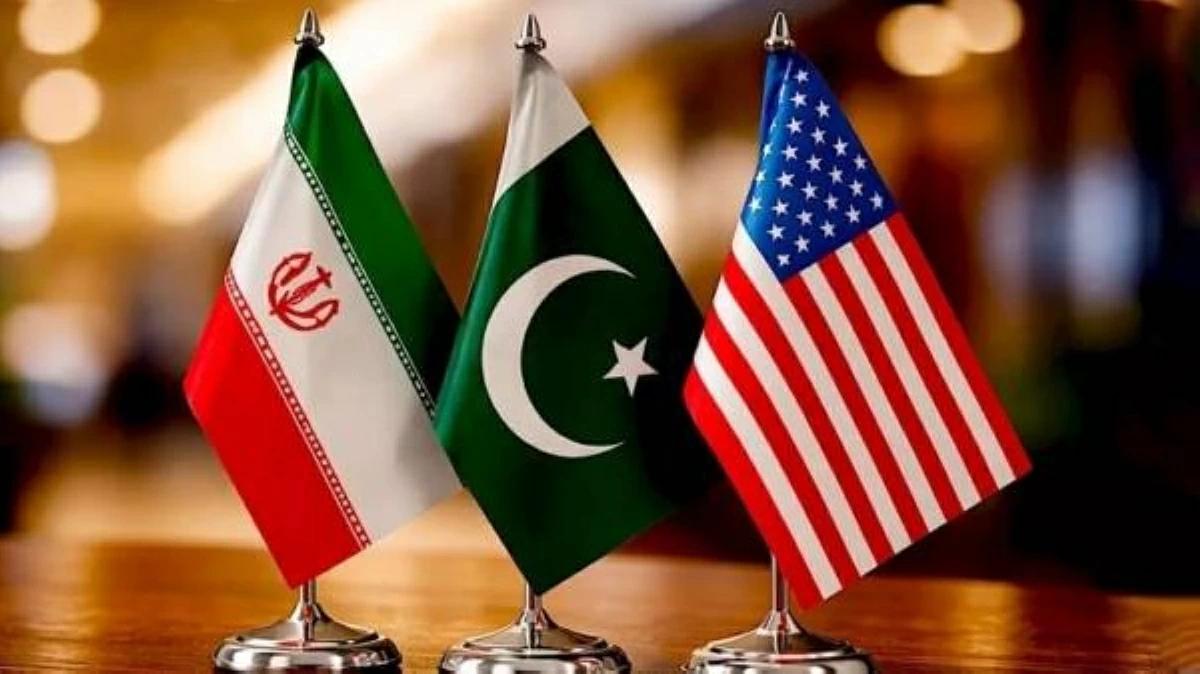
It also adds that Pakistan’s Prime Minister Shehbaz Sharif said diplomatic efforts are continuing “consistently,” and it reports that “Trump later unilaterally extended the truce without any new time frame, at Pakistan’s request.”
Al-Jazeera Net, by contrast, foregrounds the continuity of mediation and the absence of a second round, stating that Pakistan mediated to end the war that broke out on “February 28,” culminating in “the first round of negotiations in Islamabad,” but that “the talks have not yet led to a second round of negotiations between the two countries.”
Zakros – Erbil narrows the focus to a specific policy request, reporting that Pakistan urged the United States and Iran to extend the ceasefire that has been in effect for “two weeks,” and it ties that request to Ishaq Dar’s meeting with Natalie A. Baker.
Al-Mصري اليوم emphasizes the conceptual linkage between Pakistan’s security and Iran’s security, quoting Mohammad Talha Mahmood saying “Our security is linked with Iran,” and it insists that “any political solution must take into account the common interests of all parties.”
Taken together, the sources show how the same US–Iran tension is narrated through different lenses: truce mechanics, mediation continuity, ceasefire extension, and security interdependence.
What Pakistan Says Is at Stake
Pakistan’s officials portrayed the stakes of the US–Iran confrontation in terms of regional stability, energy disruption, and the need to avoid escalation.
“Zakros – Erbil Pakistan urged both the United States and Iran to extend the ceasefire that has been in effect for two weeks, according to a statement issued by the Pakistani Foreign Ministry on Tuesday”
Anadolu Ajansı said Pakistan is managing “festering disputes” and addressing “complex geopolitical challenges,” and it described the conflict’s consequences as including “closing the Strait of Hormuz.”
In the same report, it said a ceasefire was announced on “April 8” through Pakistani mediation, but it also reported that “an agreement could not be reached” after talks in Islamabad on “April 11.”
Al-Mصري اليوم added a direct argument about the broader costs, quoting Mohammad Talha Mahmood saying that prolonged tensions between the United States and Iran for a long period require shared responsibility and efforts to prevent the situation from sliding toward further escalation, and it stated that “the world has already been affected by the energy crisis resulting from the tensions, including the United States.”
The report also said Pakistan acts as a mediator to push the parties toward negotiations, asserting that “the final solution cannot be achieved except through direct dialogue,” while stressing that Pakistan is “ready to do whatever is necessary to support peace and stability.”
Anadolu Ajansı similarly described Pakistan’s diplomatic outreach as aimed at de-escalation and ceasefire efforts, saying Andrabi detailed “sustained interaction” and “constructive diplomatic engagement” to promote “regional stability.”
Zakros – Erbil reinforced the immediate near-term stakes by reporting Pakistan’s call for the United States and Iran to extend the ceasefire that has been in effect for “two weeks.”
More on Pakistan
Pakistan Opens Six Land Routes to Iran Amid United States Blockade of Iranian Ports
15 sources compared

Pakistan Strikes Kunar University, Killing Seven And Wounding 85 In Asadabad
16 sources compared

Baloch Liberation Army Kills 21 Hostages in Pakistan Jaffar Express Siege
10 sources compared

Ben Stokes Recovers After Major Facial Injury From Cricket Ball Impact
10 sources compared