USA24 March, 20263 min read
Pakistan Offers to Mediate Talks Between Iran and the United States to End Iran War.
Pakistan's Prime Minister says it will host US-Iran talks to end the Iran war. Pakistan rapidly positions itself as a central mediator between Washington and Tehran.

Pakistan's Mediation Offer
Pakistan has emerged as a key diplomatic player in efforts to mediate between the United States and Iran to end their three-week-old conflict. Prime Minister Shehbaz Sharif publicly offered to host and facilitate peace talks, making the announcement on social media platform X. The Pakistani leader stated his country's readiness to 'facilitate meaningful and conclusive talks' to resolve the ongoing war between the US and Iran.
“Pakistan's Prime Minister Shehbaz Sharif has expressed his country's readiness to facilitate peace talks to end the ongoing conflict between Iran and the United States. He made the announcement on X, emphasizing Pakistan's willingness to host and aid in conclusive discussions if both nations agree.”
The White House has responded cautiously to Pakistan's mediation proposal, describing the situation as 'fluid.' The White House emphasized that 'no formal meetings between senior U.S. and Iranian leaders have been announced.'
Multiple reports suggest that Pakistan is positioning itself as the lead mediator in this complex geopolitical situation. Other regional powers including Turkey and Egypt are also involved in diplomatic efforts to bridge the gap between Washington and Tehran.
High-Level Diplomatic Contacts
High-level diplomatic contacts have intensified between Pakistani officials and both US and Iranian leadership in recent days. Reports indicate that Pakistan's Army Chief Field Marshal Asim Munir spoke directly with US President Donald Trump on Sunday. Prime Minister Shehbaz Sharif held discussions with Iranian President Masoud Pezeshkian on Monday.
These communications occurred around the same time that Trump announced he was delaying his threat to 'obliterate' Iran's power plants. Trump cited 'very good and productive' conversations with Tehran aimed at ending the war.
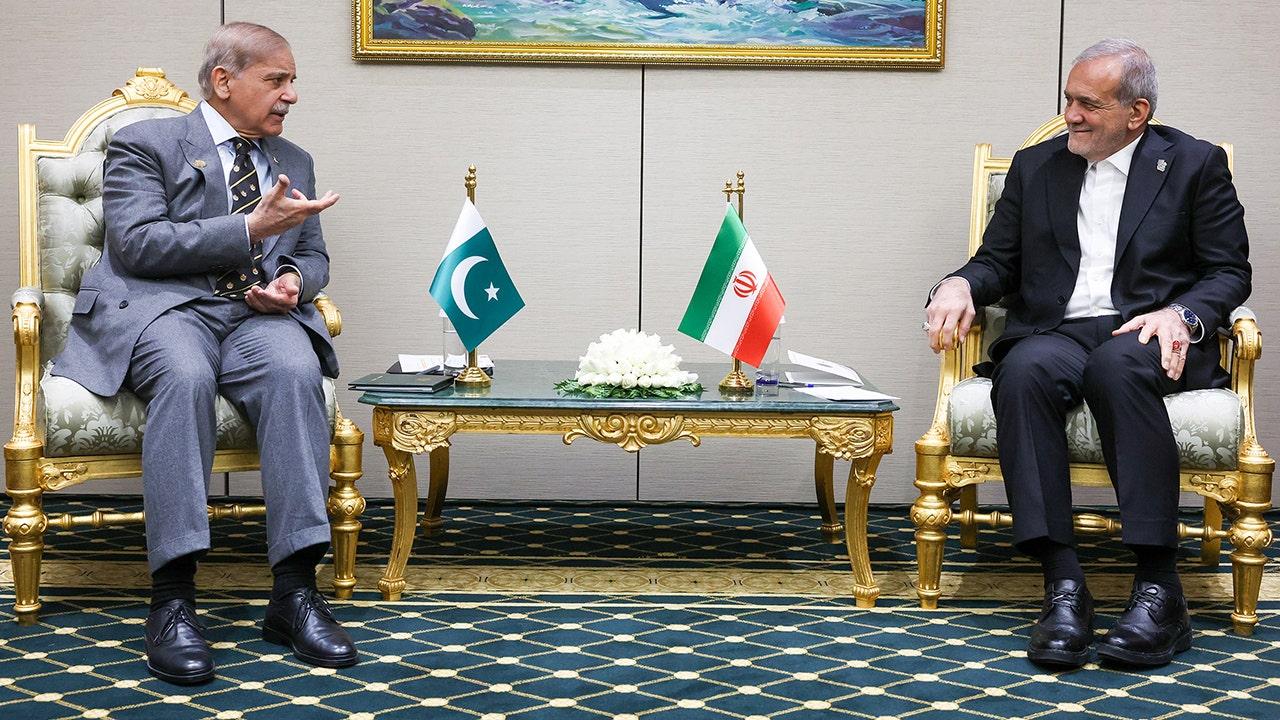
The timing of these high-level exchanges has led analysts to suggest that Pakistan may be successfully leveraging its unique position. Pakistan may be successfully facilitating dialogue between the two adversaries despite the lack of formal announcements.
Iran's Cautious Position
Iran has maintained a cautious public stance regarding the mediation efforts. Iran officially denied direct negotiations with the United States while acknowledging that regional intermediaries are attempting to facilitate dialogue. Iranian Foreign Ministry spokesman Esmaeil Baqaei told the official IRNA news agency that messages were received via certain friendly states conveying the US request for negotiations.
“Iran's cautious stance: Tehran has publicly denied negotiations, insisting any resolution must include security guarantees, reparations and recognition of its rights.”
Baqaei stated that 'Appropriate responses were given [to those initiatives] in accordance with the country's fundamental positions.' Tehran has insisted that any resolution must include security guarantees, reparations, and recognition of its rights.
Despite public denials of direct talks, sources suggest that Iran has been receiving and responding to messages passed through Pakistan and other regional intermediaries. Iran has not yet signaled readiness for formal negotiations with the United States.
Pakistan's Strategic Position
Pakistan's strategic positioning as a mediator stems from its unique ability to maintain working relationships with both Washington and Tehran. Pakistan has geographic proximity to Iran and extensive regional connections. Analysts describe Pakistan as having a 'rare ability to maintain working relationships with both Washington and Tehran.'
This has given Pakistan credibility as a 'net regional stabiliser.' The country's relevance is enhanced by its significant Shia population—second only to Iran—which domestically influences its approach to the conflict. Pakistan has balanced its foreign policy by maintaining ties with Iran, Gulf nations like Saudi Arabia, and the United States.
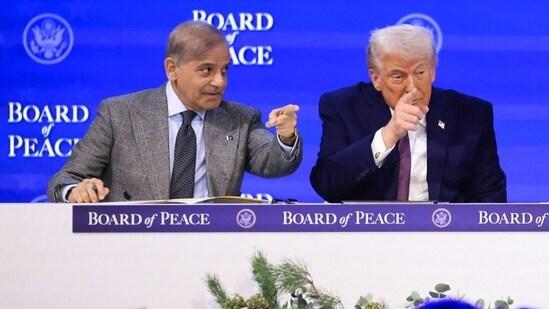
This allows it to present itself as a neutral third party. However, Pakistan's position is complicated by its defense pact with Saudi Arabia and domestic unrest following attacks on Iran.
Uncertainty and Future Prospects
Despite the flurry of diplomatic activity, uncertainty continues to surround the prospects of actual peace talks. Conflicting signals are emerging from all sides regarding potential negotiations. Reports suggest that Pakistan is pushing to host direct talks in Islamabad this week between senior U.S. and Iranian officials.
“Pakistan is reportedly pushing to host direct talks in Islamabad this week between senior U.S. and Iranian officials. A senior Iranian official has said the United States has requested a meeting on Saturday with Mohammad Bagher Ghalibaf, according to Reuters. Tehran has not yet responded, and the proposal is currently under review by Iran's Supreme National Security Council.”
One source indicates a potential meeting involving U.S. envoys Steve Witkoff and Jared Kushner, and Iranian parliament speaker Mohammad Bagher Ghalibaf. However, officials in both Washington and Tehran have maintained that no final decision has been taken regarding formal negotiations. The White House has cautioned against premature conclusions.

Iran's leadership has suggested that public statements about talks may be aimed at influencing global markets rather than reflecting actual diplomatic progress. Trump's announcement of a five-day pause in military action helped ease global market fears and caused oil prices to fall.