Protests28 October, 20253 min read
Pakistan Opens Karachi Port to Bangladesh After India Denies Access
Pakistan offered Bangladesh access to Karachi Port during 9th Pakistan-Bangladesh JEC meeting. India banned imports of several Bangladeshi jute products through all land routes two months prior.
11 outlets told this the same way.
Outlets did split on France Suspends Police Stun Grenades at High School Protests After 15-Year-Old Loses Hand →
Pakistan-Bangladesh Economic Cooperation
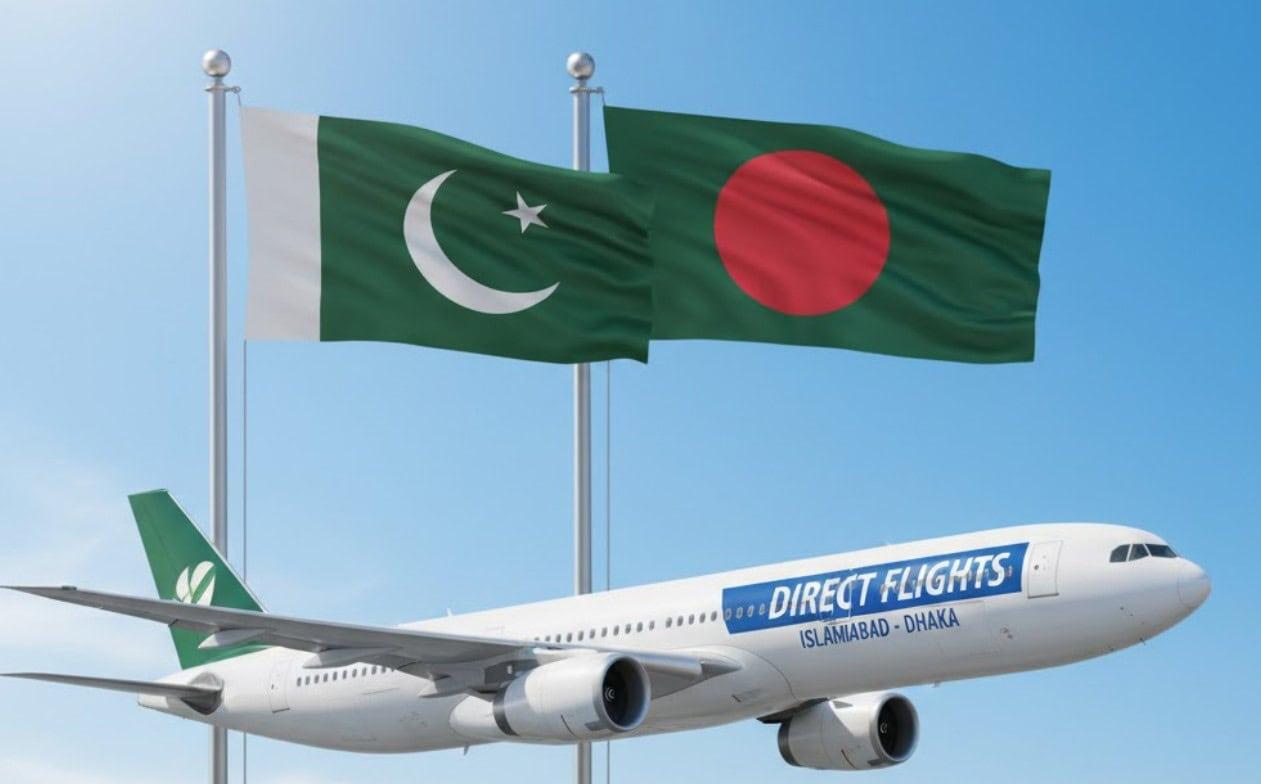
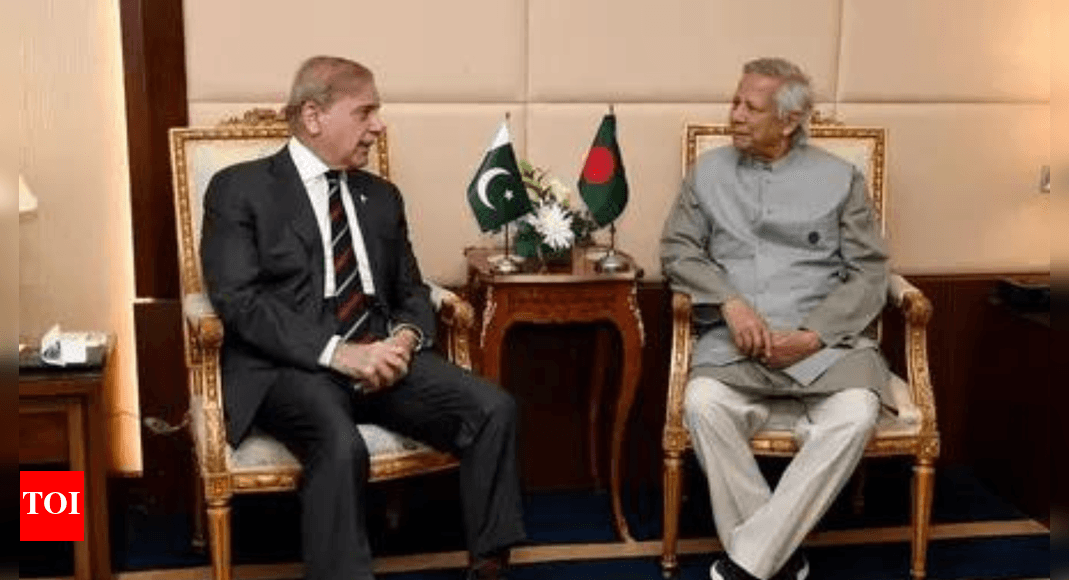
Pakistan has offered Bangladesh access to Karachi Port during the 9th Pakistan–Bangladesh Joint Economic Commission (JEC) meeting in Dhaka. This session was described as the first in roughly two decades and aimed at rebooting ties after years of drift. Sources report that the agenda stretched beyond port access to include direct flights, halal certification cooperation, and broader sectoral linkages in energy, IT, and tourism.
“Pakistan has offered Bangladesh access to the key port of Karachi... during the 9th Joint Economic Commission meeting between Pakistan and Bangladesh in Dhaka—the first in 20 years...”
Reporting varies on who led or highlighted the initiative: some emphasize Pakistan’s ministers’ roles while others stress institutional agreements and broader diplomacy. Overall, the move is framed as a major step in South Asian economic diplomacy that could reshape regional connectivity for Bangladesh.
Trade Tensions and New Routes
Multiple outlets connect the Karachi Port offer to mounting trade frictions between India and Bangladesh. Reports note India’s restrictions on Bangladeshi jute imports via land routes, cancellation of a transshipment arrangement, and a slump in jute earnings. These moves raised costs for Bangladeshi exporters and catalyzed Dhaka’s search for alternative corridors.
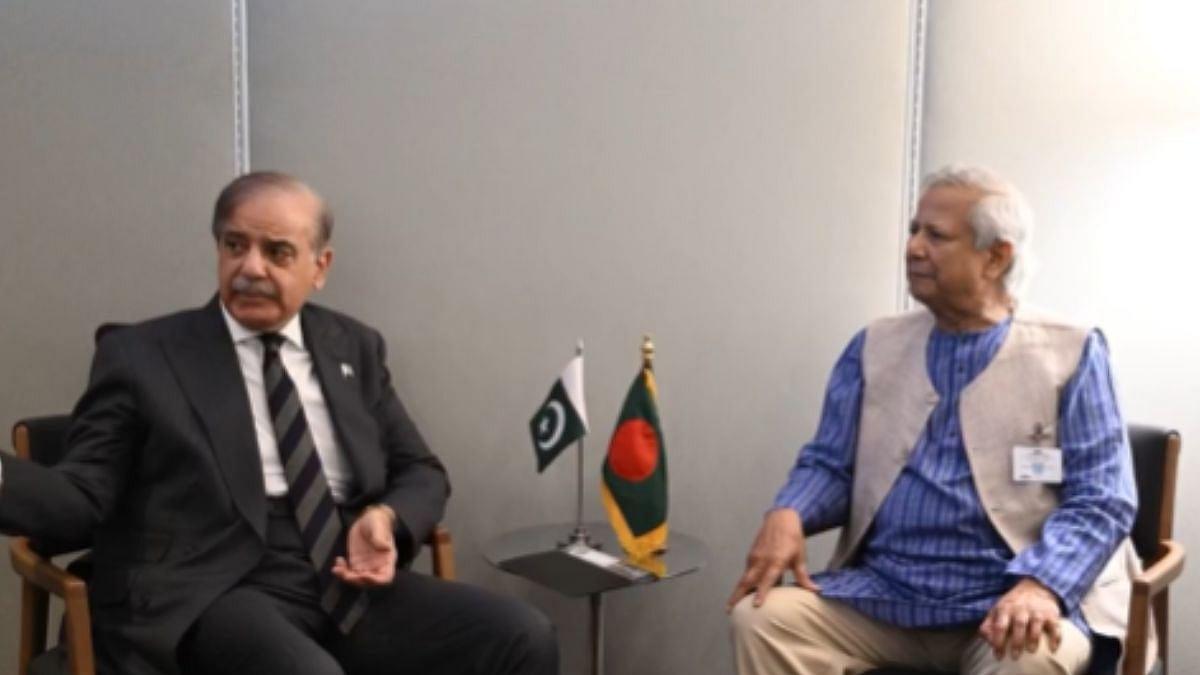
Bangladesh’s interim government under Muhammad Yunus is reported to have shifted policy toward closer ties with Pakistan and China. India–Bangladesh ties are widely described as strained, which helps explain why a direct maritime pathway via Karachi is attracting attention.
-1761646726978.webp&w=1920&q=75)
Pakistan-Bangladesh Trade Initiatives
Pakistan’s trade outreach includes immediate and future market facilitators. These efforts involve reducing taxes and removing customs duties on jute imports. This signals Pakistan’s interest in importing Bangladeshi jute.
“Pakistan... reducing taxes on jute and other products and removing customs duties on jute imports... Pakistan is capitalizing... offering Bangladesh access to its Karachi port.”
Karachi is being positioned as a gateway to China, the Gulf, and Central Asia. Reports highlight attempts to cut transit times and costs through Karachi. There is also a focus on expanding cooperation between national shipping corporations.
An agreement between BSTI and the Pakistan Halal Authority aims to operationalize a halal-certification bridge. These measures are intended to lower trade friction and unlock new markets for Bangladeshi exporters.
Geopolitical and Security Perspectives
Several outlets frame the development within sharper geopolitical and security narratives. Daily Jagran links the rapprochement to a controversial incident it reports—Bangladesh’s interim head Muhammad Yunus gifting a Pakistani general a map including parts of India’s Northeast as Bangladeshi. The outlet argues that using Karachi could weaken India’s influence while advancing China’s Belt and Road foothold.
Free Press Journal echoes the map controversy and adds a security angle by reporting a visit by a close aide of Pakistan-based terrorist Hafiz Saeed. Hindustan Times situates the shift in the backdrop of an interim regime under Yunus, noting his controversial statements against India and Indian government concerns over minorities. The outlet collectively describes a political climate in which Dhaka–Islamabad ties are intensifying.
&w=1920&q=75)
Media Perspectives on Dhaka-Karachi Link
Coverage styles and emphases differ notably across outlets. The Times of India (Asian) mentions Dhaka’s access to Karachi amid strained India ties but places it within a multi-topic roundup that includes unrelated aviation, weather, and gold-price items. Abb Takk News (Other) frames the offer as a strategic logistics upgrade with efficiency gains.
“Pakistan has offered Bangladesh access to its Karachi Port... Utilizing Karachi Port could help Bangladesh reduce transit times and costs... new economic opportunities.”
Daily Pakistan (Asian) underscores the JEC as a structured diplomatic milestone centered on agreements like the halal MoU and possible resumption of direct air links. Free Press Journal (Asian) is comparatively skeptical, noting that experts question the route’s economic viability. Hindustan Times (Asian) ties the economic step to the domestic political flux in Bangladesh and India’s concerns, offering a political-diplomatic lens rather than a logistics-first one.