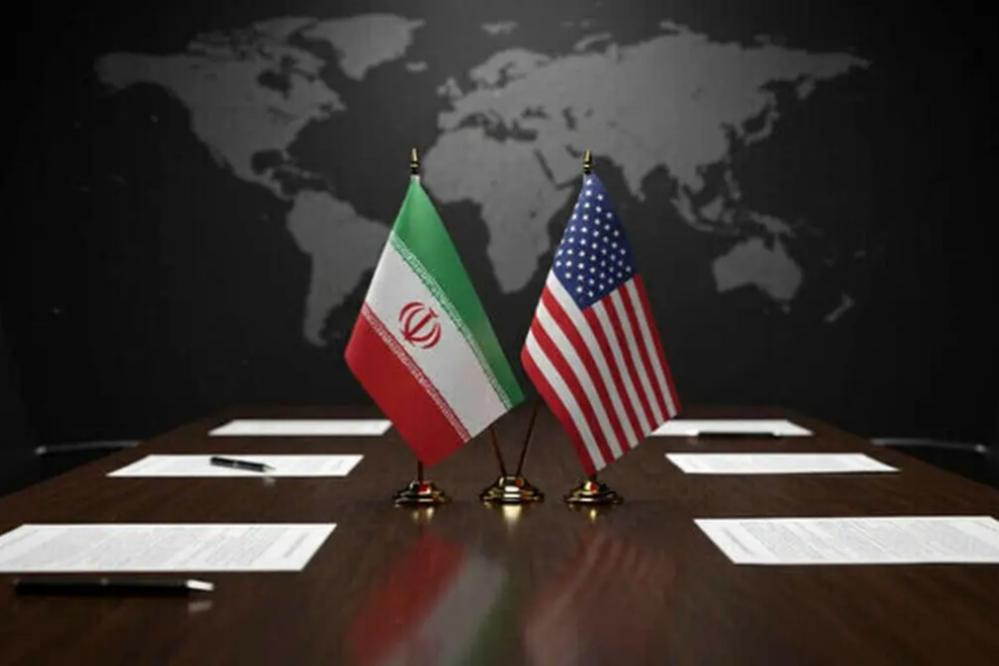
Pakistan PM Shehbaz Sharif Says US-Iran Peace Deal Ends Military Operations in Lebanon
Key Takeaways
- Pakistan's PM says US-Iran peace deal ends military operations on all fronts, including Lebanon.
- Deal includes reopening the Strait of Hormuz.
- Signing ceremony planned for June 19 in Switzerland.
Deal Announced, Beirut Strikes
Pakistan Prime Minister Shehbaz Sharif said the United States and Iran had reached a peace deal, declaring that “Both sides have declared the immediate and permanent termination of military operations on all fronts, including in Lebanon.”
BBC reported that US President Donald Trump confirmed the announcement and wrote on Truth Social, “The Deal with the Islamic Republic of Iran is now complete,” while the BBC also described uncertainty after an Israeli strike on Beirut earlier on Sunday.

The BBC said three people were killed and 15 injured in the attack on Dahieh, according to Lebanon's state media, and it quoted Iran's chief negotiator warning the strike showed the US was not fulfilling its commitments.
The BBC further said Trump later wrote that the strike “should not have happened,” particularly on a “special day when we are so close to a peace deal with Iran.”
Competing Voices and Warnings
As the US-Iran talks continued, CBS News said Trump told “all sides should stand down” after Israel strikes Lebanon while negotiations for a deal continued.
CBS News also reported that Trump said the Strait of Hormuz will immediately be reopened once a memorandum of understanding was signed, and it added that “There should be no more attacks by Israel anywhere in Lebanon.”
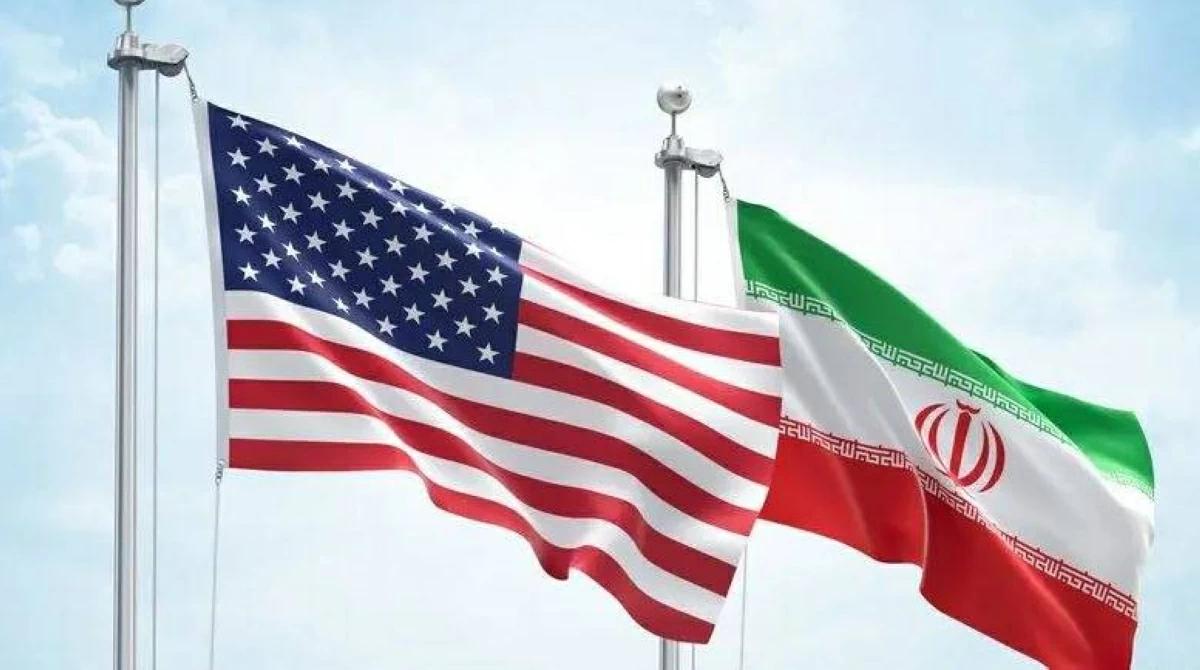
In parallel, the AP reported that Trump urged no further attacks after Israel’s military said it launched strikes on Hezbollah targets in Beirut, and it said Lebanon’s health ministry reported three people killed and 16 others wounded.
The AP also quoted Iran’s parliament national security commission head Ebrahim Azizi saying, “A strong response is coming,” and it reported that Iran’s parliamentary Speaker Mohammad Bagher Qalibaf warned the US that “if you lack the will and ability to fulfill your commitments, speaking of continuing the path is not possible.”
What’s at Stake Next
Multiple outlets tied the emerging agreement to the Strait of Hormuz and the lifting of pressure on Iran’s ports, with the AP saying the deal offered “relief to the global economy” and involved opening the Strait of Hormuz.
NBC News said the memorandum of understanding would reopen the Strait of Hormuz immediately without tolls and restore prewar shipping within approximately 30 days, while also lifting the U.S. blockade of Iran’s ports.
NBC News also reported that Iran’s foreign minister Abbas Araghchi outlined terms that seemingly differed from the U.S. interpretation, including that Tehran intends to charge a service fee for ships passing through the strait and that “it is not possible to levy a toll on passage through the Strait of Hormuz.”
The stakes extended beyond shipping, as NBC News said the agreement would include a 60-day extension of the current ceasefire and required an end to fighting in Lebanon, where Israel continued a deadly offensive against Hezbollah despite existing ceasefire agreements.
More on Iran

Trump Announces US-Iran Peace Deal, Reopens Strait of Hormuz and Removes Naval Blockade
35 sources compared
Donald Trump Announces US-Iran Ceasefire, Orders Removal of Naval Blockade, Strait of Hormuz Reopens
29 sources compared
Trump Says US-Iran Peace Deal Complete, Orders Removal of Naval Blockade
11 sources compared

Donald Trump Orders Stop Of U.S. Naval Blockade As Iran Deal Opens Strait Of Hormuz
13 sources compared