Pakistan Seeks Remote US-Iran Deal After Trump Refuses Envoys To Islamabad
Key Takeaways
- Pakistan continues mediation to bridge US-Iran gaps after face-to-face talks collapse.
- Trump refused to send US envoys to Islamabad, prompting reliance on remote or phone talks.
- Iran's foreign minister Araghchi travels between Pakistan, Oman, and Russia for talks with Putin.
Talks stall, mediation continues
Pakistan continues efforts to bridge gaps between the United States and Iran even after planned face-to-face diplomacy collapsed, according to Pakistani mediator sources speaking to Reuters.
The latest push comes after U.S. President Donald Trump refused to send envoys to Islamabad, saying that Tehran should call “when it wants a deal.”

Reuters reports that Iranian sources said Tehran’s latest proposal would first seek to end the war and resolve the standoff over Gulf shipping, while leaving wider talks on Iran’s nuclear program for later.
The Business Times and Aaj English TV both describe the same sequence: Trump scrapped a visit by his envoys Steve Witkoff and Jared Kushner to Islamabad, where Iranian Foreign Minister Abbas Aragchi shuttled in and out twice over the weekend.
In the Reuters account, hopes of reviving peace efforts weakened further after Trump scrapped a planned visit by his envoys, and Aragchi also visited Oman and arrived in Russia on Monday to meet President Vladimir Putin.
WRAL adds that Pakistan’s leaders sought Sunday to revive peace talks after Trump canceled plans for his top envoys to travel to Islamabad, with a regional official saying mediators were working to bridge “significant gaps between the U.S. and Iran.”
Across the reporting, the practical channel for diplomacy shifted toward remote talks, with a Pakistani source telling Reuters that “The draft will be negotiated remotely till they reach some consensus,” and with Aaj English TV quoting the same line about remote negotiation until consensus is reached.
What each side demands
The sources lay out a staged structure for negotiations that begins with ending the war and addressing Gulf shipping, while postponing nuclear talks.
Reuters says Iranian sources described Tehran’s proposal as seeking “to end the war and resolve the standoff over Gulf shipping,” with “wider talks on Iran’s nuclear program for later.”
The Business Times and Aaj English TV repeat that the Iranian proposal would first tackle ending the war and resolving access issues, while leaving nuclear negotiations for a later stage, and they both connect this to the Strait of Hormuz.
Reuters reports that Washington is unlikely to be satisfied because it says “nuclear issues must be addressed from the start,” while Iran still seeks “some form of U.S. acknowledgment of its right to enrich uranium for what it says are peaceful purposes.”
In the Reuters account, senior Iranian sources said the proposal carried by Abbas Aragchi envisioned negotiations in stages, starting with ending the U.S.-Israeli war on Iran and providing guarantees that Washington would not restart it.
The next stage in Reuters’ description would resolve the U.S. blockade and the future of the Strait of Hormuz, which Iran wants to reopen under its control, before moving to “other issues, including the dispute over Iran’s nuclear program.”
WRAL adds a separate condition from Iran’s side, quoting a regional official saying Iran “still insists on ending the U.S. blockade on its ports before launching a new round of talks with the Trump administration.”
Trump’s own framing is blunt: he told Fox News, “They cannot have a nuclear weapon; otherwise, there’s no reason to meet,” and he also said, “If they want to talk, they can come to us, or they can call us.”
Trump, Aragchi, and Sharif
The reporting also captures direct political messaging and phone diplomacy around the stalled talks.
Reuters quotes Trump saying, “If they want to talk, they can come to us, or they can call us,” and it adds that Trump told Fox News, “They know what has to be in the agreement. It’s very simple: They cannot have a nuclear weapon; otherwise, there’s no reason to meet.”
WRAL reports that Trump told envoys Steve Witkoff and Jared Kushner not to travel to Pakistan and posted on social media, “If they want to talk, all they have to do is call!!!”
WRAL further states that Iran’s President Masoud Pezeshkian told Pakistani Prime Minister Shehbaz Sharif during a phone call Saturday night that the U.S. “should first remove operational obstacles, including the blockade,” to allow a new round of negotiations.
In Reuters, Iranian Foreign Minister Abbas Aragchi’s movement is described as part of the diplomatic effort, with Aragchi traveling in and out of Islamabad twice over the weekend and then visiting Oman before arriving in Russia to meet President Vladimir Putin.
The Business Times and Aaj English TV both describe Aragchi’s itinerary in similar terms, including that he arrived on Monday in Russia to meet Vladimir Putin, a “longstanding ally.”
Reuters also notes that Trump said Iran “offered a lot, but not enough,” and it reports that Trump said there was “no reason to meet unless Tehran agreed it could not have a nuclear weapon.”
Pakistan’s role is presented as active but constrained by the lack of in-person meetings, with WRAL saying Pakistan continues to mediate by conveying messages between the two sides.
Different angles on the same failure
While the core facts of stalled face-to-face diplomacy are shared, the outlets emphasize different elements of the breakdown and its immediate effects.
Reuters frames the collapse around Trump’s refusal to send envoys to Islamabad and Washington’s insistence that nuclear issues be addressed from the start, quoting Trump’s demand that Iran “cannot have a nuclear weapon.”

The Business Times similarly centers the scrapped Saturday visit by Steve Witkoff and Jared Kushner and describes the Iranian proposal as staged, but it adds a broader domestic and economic framing, saying “Both sides could be settling in for a test of wills to see who can endure economic pain before making concessions.”
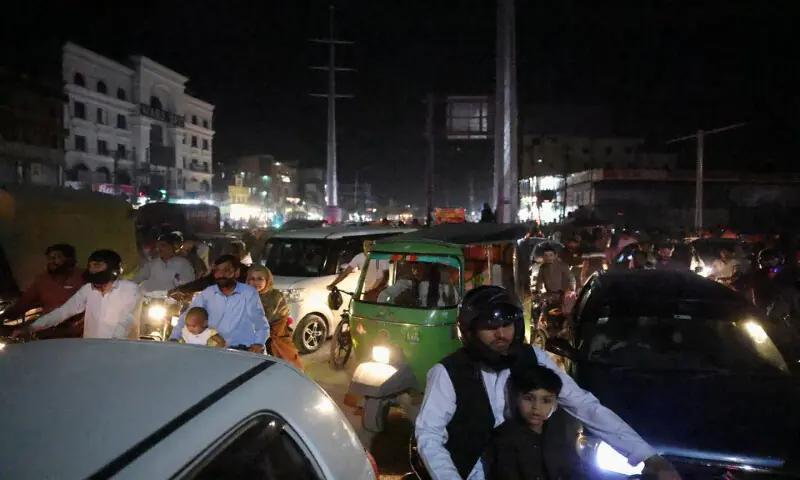
Aaj English TV largely tracks Reuters’ narrative but highlights the remote nature of negotiations and the reopening of Islamabad streets, stating “streets reopened in Islamabad, which had been locked down for a week in anticipation of talks that never took place.”
WRAL, by contrast, foregrounds market and pricing impacts alongside the diplomatic stalling, reporting that “Oil prices rose when the market opened Sunday as traders absorbed the news that talks between the U.S. and Iran about a potential ceasefire have stalled again.”
WRAL provides specific price points for both West Texas Intermediate and Brent crude, saying West Texas Intermediate was “selling for $96.50 a barrel Sunday” and Brent crude was “trading at $107.75 per barrel Sunday.”
Reuters and The Business Times also cite Brent crude moving higher, with Reuters saying Brent crude rose about 2.5% to around $108 a barrel when trade reopened Monday, and The Business Times reporting “Brent crude was up around 2.5 per cent at around US$108 a barrel.”
The outlets also diverge in how they describe the ceasefire context, with Reuters saying “The ceasefire has paused U.S.-Israeli strikes on Iran that began Feb. 28,” while WRAL says “Although a ceasefire has paused the US-Israeli strikes on Iran that began on February 28, no agreement has been reached.”
Consequences and next steps
The sources connect the stalled diplomacy to ongoing conflict dynamics and economic pressure, while also describing what Pakistan and the U.S. are doing next.
Reuters says the ceasefire paused U.S.-Israeli strikes on Iran that began Feb. 28, but “no agreement has been reached on the terms to end the war,” and it adds that the conflict “has killed thousands, raised oil prices, fueled inflation, and worsened the global growth outlook.”

WRAL similarly states that “no agreement has been reached on terms to end a war that has killed thousands, driven up oil prices, fuelled inflation, and darkened the outlook for global growth,” and it ties the diplomatic stalling to the market’s reaction.
Reuters and WRAL both emphasize the Strait of Hormuz as a leverage point, with Reuters saying Iran has “largely blocked all shipping except its own from passing through the Strait of Hormuz since the war began,” and WRAL stating “Iran has largely blocked all shipping apart from its own from the Gulf through the Strait of Hormuz since the war began.”
Reuters also says “The U.S. began blockading Iranian ships this month,” while WRAL adds that the U.S. began blockading Iranian ships “this month,” and that Iran says the blockade “must be halted as a condition for talks.”
On the diplomatic process itself, Reuters reports that Pakistani officials said negotiations were continuing remotely and that there were “no plans for an in-person meeting until the sides were close enough to sign a memorandum,” while WRAL says “Pakistan continues to mediate, and two officials there said indirect talks are still ongoing.”
The sources also show how the regional conflict in Lebanon is entangled with Iran-related diplomacy, with Reuters reporting that Israeli strikes killed 14 people and wounded 37 in the south on Sunday, and that Iran says it will not hold talks on the wider conflict unless a ceasefire also holds in Lebanon.
In Reuters’ account, the next step is effectively remote drafting and message-passing until consensus is reached, while Trump’s position remains that talks require Iran to accept limits on nuclear capability, summarized in his statement that “They cannot have a nuclear weapon; otherwise, there’s no reason to meet.”
More on Iran

Iran Offers U.S. Deal To Reopen Strait of Hormuz, End War, Postpone Nuclear Talks
11 sources compared

Oil Prices Rise as US-Iran Peace Talks Stall, Strait of Hormuz Tensions Grow
13 sources compared

King Charles III and Queen Camilla Begin Four-Day US State Visit With Trump Tea
10 sources compared

Oil Prices Rise as US-Iran Peace Talks Stall and Strait of Hormuz Remains Constrained
14 sources compared