Protests29 October, 20253 min read
Pakistan Threatens to Obliterate Taliban After Peace Talks Collapse
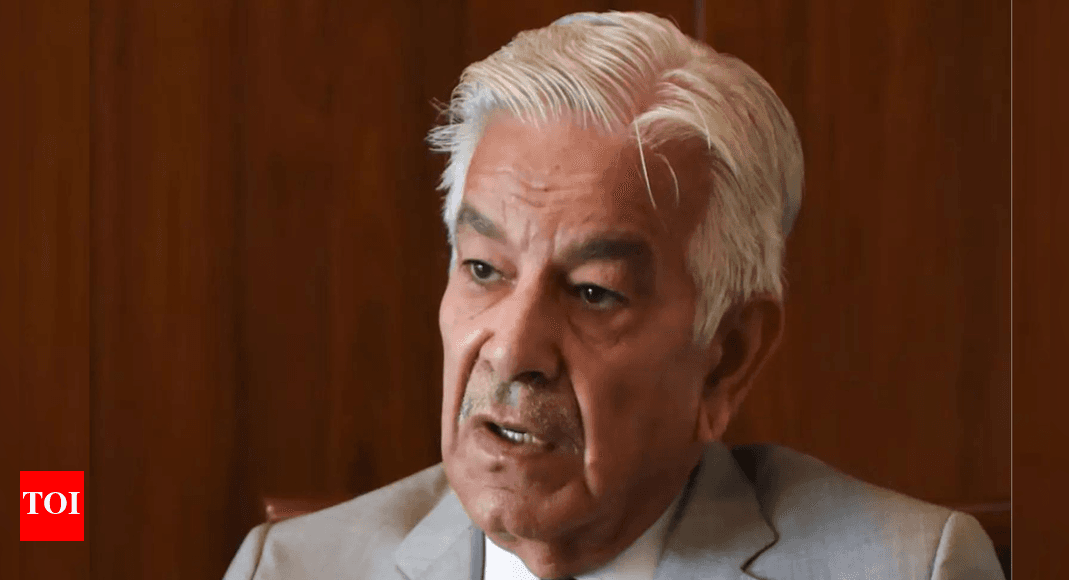
Pakistan’s Defence Minister Khawaja Asif threatened to obliterate the Taliban after talks collapsed. Peace talks in Istanbul ended without agreement, failing to resolve cross-border violence issues.
13 outlets told this the same way.
Outlets did split on France Suspends Police Stun Grenades at High School Protests After 15-Year-Old Loses Hand →
Failed Peace Talks and Threats
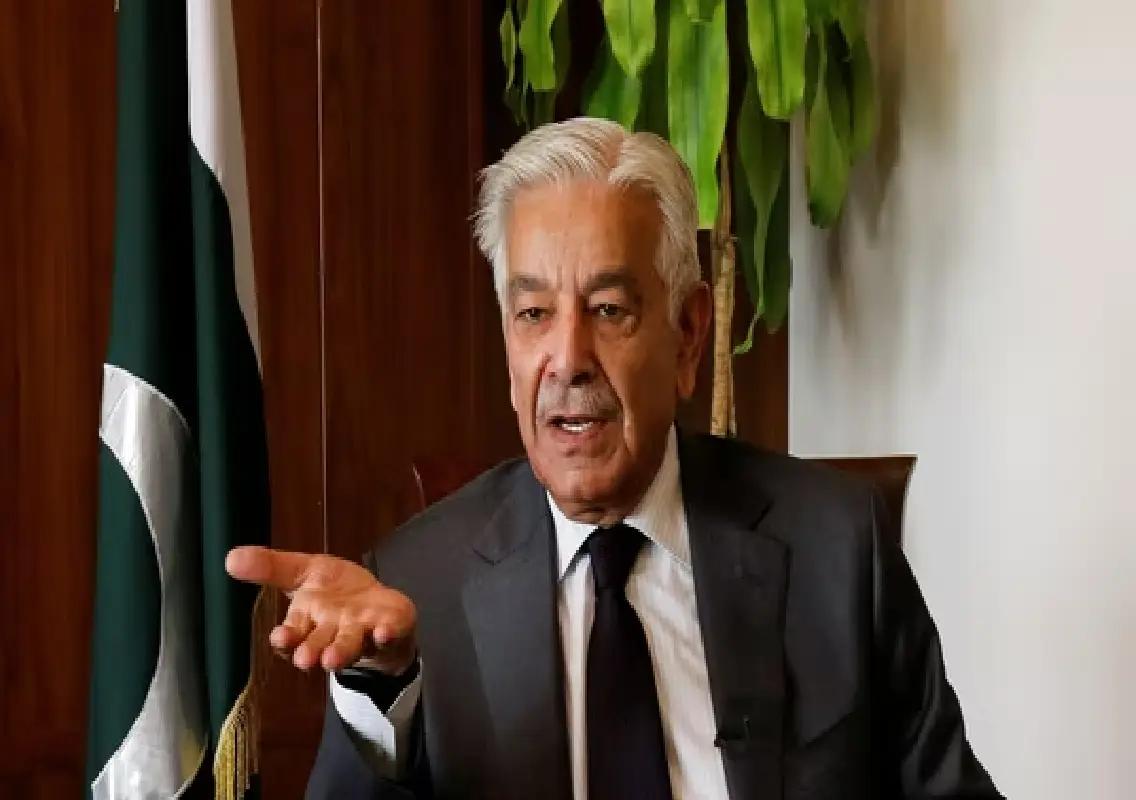
Pakistan’s Defense Minister Khawaja Asif threatened to “completely obliterate” the Afghan Taliban after four days of Turkey- and Qatar-mediated peace talks in Istanbul collapsed without agreement. The failure of the talks has reignited fears of intensified cross-border conflict. West Asian outlets emphasize the failed mediation and rising tensions.
“Pakistan’s Defense Minister Khawaja Asif issued a stern warning to the Afghan Taliban, stating that Pakistan could 'completely obliterate' the group if militant attacks originating from Afghan soil continue.”
Daily Sabah reports the talks ended without a “workable solution” due to disputes over militants using Afghan soil. The outlet also notes deadly clashes this month despite an October 19 Doha cease-fire. Asian outlets ABP Live and Business Standard focus on the details of the process, noting that most issues were agreed upon but a verifiable mechanism was not established.
They also highlight mutual blame through state media. Other outlets like newskarnataka highlight Asif’s sweeping threat and his reference to past battlefield successes. These reports frame Islamabad’s posture as a warning of severe retaliation if attacks or suicide bombings occur inside Pakistan.
Pakistan-Afghanistan Conflict Overview
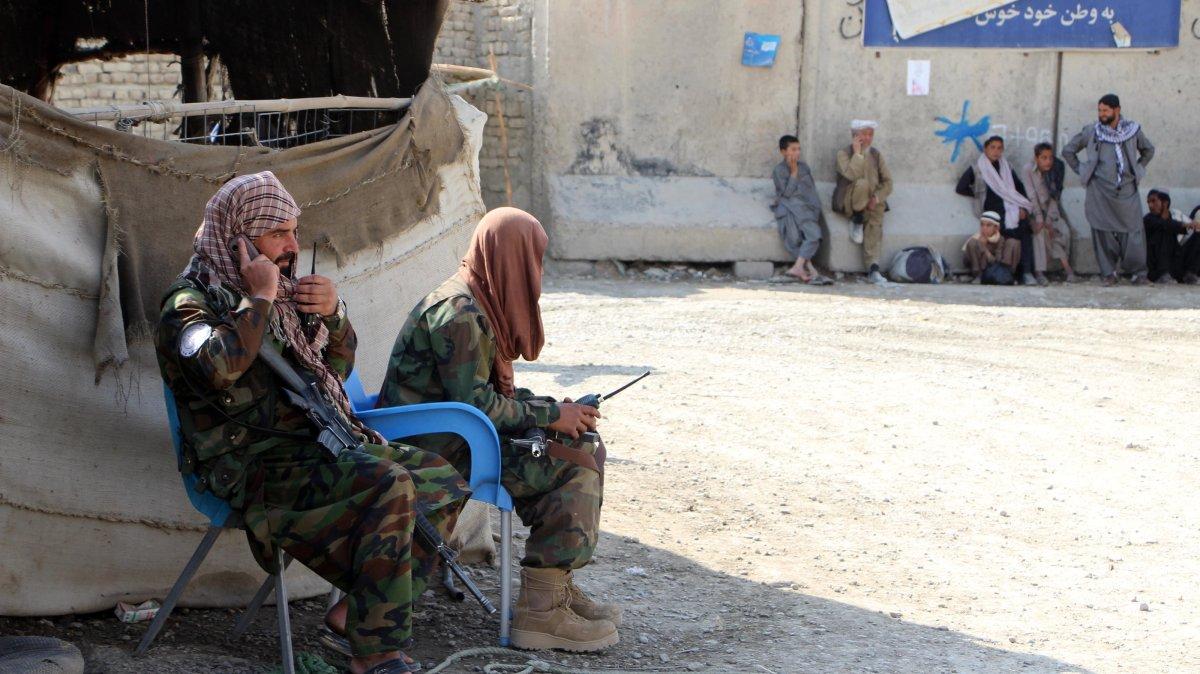
Pakistan’s stated demands focus on preventing Afghan territory from serving as a staging ground for attacks by groups like the TTP. Kabul insists on sovereignty and denies harboring militants. West Asian coverage (Arab News PK) details that Pakistan conducted airstrikes near Kabul targeting the TTP, sparking Taliban retaliatory attacks on Pakistani posts.
The coverage also reports accusations that the Taliban sustain a war economy and notes alleged Indian interference, which India denies. Asian outlets add specificity: 24 News HD cites Pakistan’s naming of “Indian-backed” Fitna al‑Khwarij (TTP) and Fitna al‑Hindustan.
Business Standard highlights Kabul’s denial and mutual media blame. ABP Live underscores that the talks faltered over creating a verifiable enforcement mechanism, despite broad issue‑level alignment.
Pakistani Response to Regional Tensions
Asif’s rhetoric has grown sharper, with multiple outlets quoting threats of decisive retaliation for any terror attacks inside Pakistan and invoking past battles. Other outlets report he referenced Tora Bora and denounced the Taliban’s 'venomous' statements and 'fractured' leadership mindset. Asian media report his description of a 'devious and splintered mindset' and note the UN’s call for de‑escalation.
“Asif condemned the fractured mindset of the Taliban leadership and warned that any terrorist attacks or suicide bombings inside Pakistan would provoke a severe response.”
West Asian Gulf News adds that Asif dismissed Taliban threats as hollow, called Afghanistan a 'graveyard for its own people,' and highlighted regional destabilization. UN spokesperson Stéphane Dujarric publicly urged restraint. These statements collectively signal a hardening Pakistani stance and heightened international concern over escalation risks.
Response to Border Tensions
Several sources report that the Taliban offered no immediate official response following the recent fallout. Both sides exchanged blame over the incident. West Asian media outlet Daily Sabah states that the Taliban have yet to respond to the threats.
Asian news sources such as 24 News HD and Business Standard mention that the Afghan side had no immediate response and reportedly retracted statements under instructions from Kabul. State media from each country accused the other of responsibility. ABP Live and Daily Sabah link the breakdown in relations to earlier violence despite a cease-fire agreement reached in Doha on October 19.

Rising Tensions Along Pakistan-Afghanistan Border
Looking ahead, the risk calculus is rising. Asian outlets emphasize that Islamabad’s patience has ended and it will take necessary measures to protect citizens. West Asian coverage underscores both the severity of recent clashes and international pleas for restraint.
“Tarar warned that Pakistan's patience has ended and vowed to take necessary measures to protect its people from terrorism, highlighting ongoing tensions since the Taliban's return to power four years ago.”
Arab News PK reports Pakistan’s airstrikes near Kabul and Taliban retaliations along the disputed border and uniquely mentions Donald Trump’s unrelated claim about averting an India-Pakistan war. Daily Sabah highlights this month’s clashes as the worst since 2021.

Gulf News and Devdiscourse relay UN appeals to avoid renewed hostilities amid deepening hostility. Collectively, the sources signal heightened danger of escalation if cross-border attacks persist and verification mechanisms remain unresolved.