Pakistan20 December, 20252 min read
Pakistani Court Sentences Imran Khan and Wife to 17 Years in State Gifts Graft
Imran Khan and Bushra Bibi each received 17-year prison sentences in the Toshakhana graft case Court found they undervalued and kept luxury state gifts, notably a Bulgari jewellery set

17 outlets told this the same way.
Outlets did split on Tehrik-E-Taliban Pakistan Suicide Attack Kills At Least 27 in Kohat Mosque Blast →
Toshakhana graft conviction
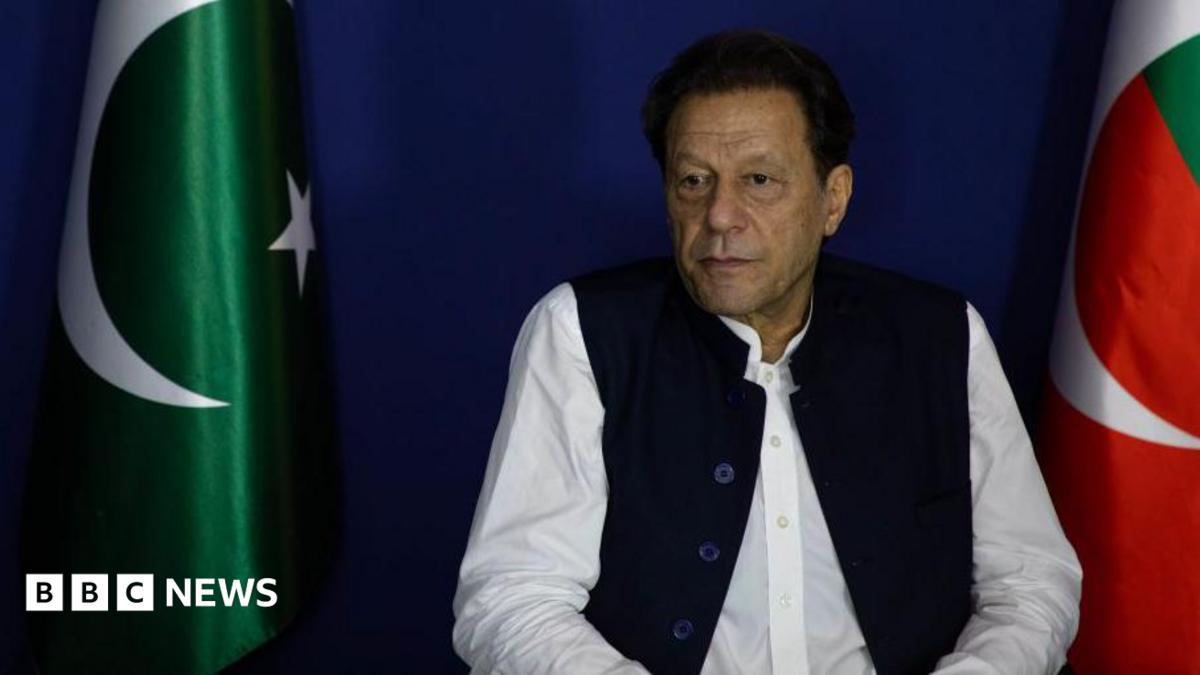
A Pakistani accountability court on 20 December 2025 convicted former prime minister Imran Khan and his wife, Bushra Bibi, in the Toshakhana graft case and sentenced each to 17 years in prison. The court found they had retained and sold state gifts, including luxury jewellery and watches received from Saudi Arabia in 2021, after undervaluing them instead of paying the assessed market value, violating Pakistan's Toshakhana rules, the judiciary said.
“A Pakistani court on Saturday convicted former prime minister Imran Khan and his wife, Bushra Bibi, of retaining and selling state gifts and sentenced them to 17 years in prison, officials and his party said.”
The verdict was announced inside high-security Adiala Jail and adds to Khan's mounting legal troubles while he remains in custody. Sources differ on some details of the gifts' value and related penalties.
Conflicting legal details
Reports differ on legal details such as the statutory provisions cited, fines imposed, and the numbers of witnesses and counts. Several outlets say the punishment was handed down as two concurrent components — commonly reported as 10 years for criminal breach of trust under Section 409 and seven years under anti-corruption statutes.
Fines are reported variously (Rs 10 million, PKR 16.4 million, or amounts converted in other currencies). The court’s hearing reportedly included testimony from about 21 witnesses, and judges are said to have noted some leniency for Khan’s age and Bushra’s gender when announcing the sentence.
Reactions to Khan verdict
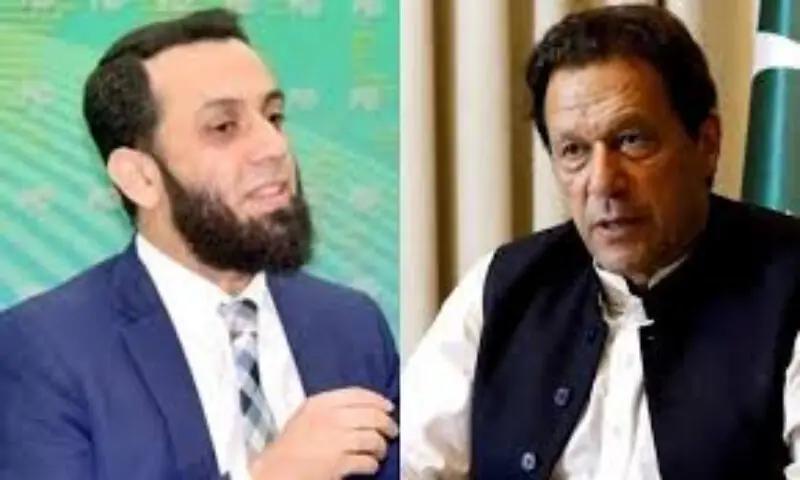
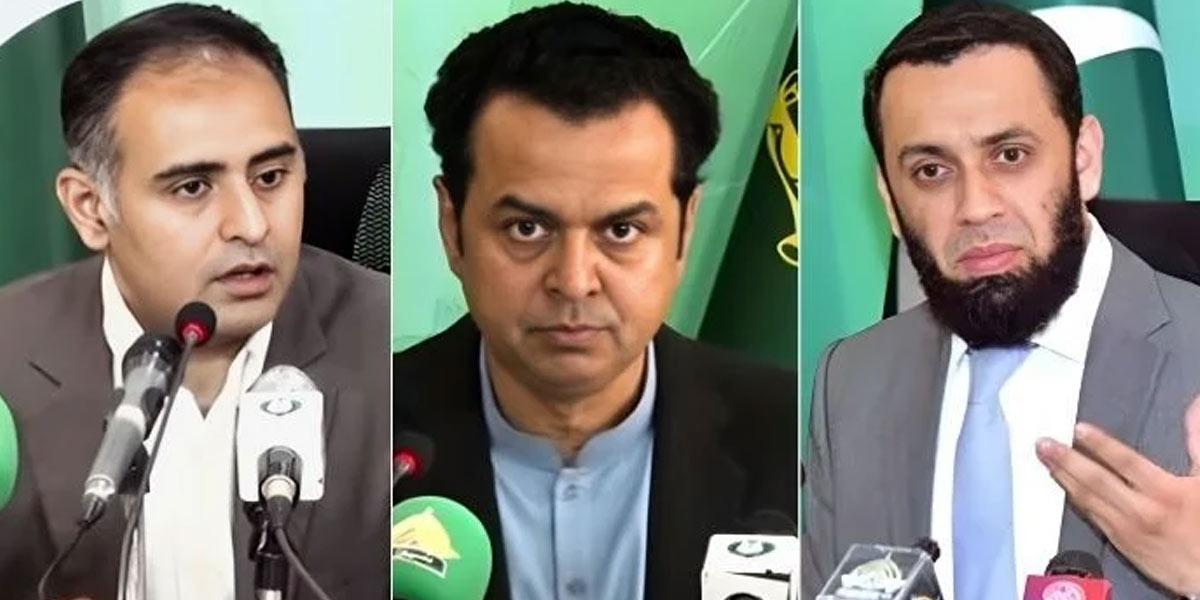
Khan and his party strongly rejected the verdict as politically motivated and vowed to appeal. PTI described the ruling in harsh terms; the Associated Press reports the party called the verdict "a black chapter in history," and The Logical Indian quotes PTI calling it "judicial murder."
“PTI called the verdict ‘a black chapter in history.’”
Khan himself, quoted in Republic World, called the case "malicious, fabricated and politically engineered," and his legal team said an appeal to the high court is planned. Government officials, meanwhile, defended the prosecution and argued the decision was based on evidence and legal process.
Concerns about Khan's detention
The sentence and trial conditions have drawn international concern and family alarm about Khan's treatment in custody. Multiple outlets report UN officials and the UN Special Rapporteur for detention conditions raising alarms about prolonged solitary confinement and restricted visits. Livemint and DT Next quote appeals from the UN and calls to end 'inhumane and undignified' conditions.
Khan's sons and former wife Jemima Goldsmith have publicly complained about limited contact and harsh conditions, and there have even been demands for 'proof of life' after unverified rumours. Pakistani authorities counter that Khan is receiving medical care and is in 'good health', but coverage varies on how much detail or scepticism is applied to those statements.
Political impact of verdict
Observers and many outlets situate the verdict within Pakistan’s broader political turmoil. Some pieces describe the ruling as likely to deepen instability and pre‑election tensions, noting that Khan’s Pakistan Tehreek‑e‑Insaf (PTI) remains a politically potent force despite his ouster in April 2022 and previous trial outcomes.
“The ruling is expected to deepen Pakistan’s political crisis, with supporters decrying it as political and officials denying politicization.”
Coverage also varies on whether the trial is strictly a legal accountability process or part of political engineering. Some sources present it as a straightforward corruption conviction with supporting evidence, while others emphasise accusations of politicisation and note prior convictions and suspended political rights that together reshape Pakistan’s electoral landscape.
