Pakistan02 February, 20262 min read
Pakistani Forces Kill 145 Baloch Liberation Army Fighters After Coordinated Balochistan Attacks
Security forces killed at least 145 militants during post-attack operations Coordinated gun-and-bomb attacks across Balochistan killed nearly 50 people, including civilians
15 outlets told this the same way.
Outlets did split on Tehrik-E-Taliban Pakistan Suicide Attack Kills At Least 27 in Kohat Mosque Blast →
Balochistan attacks summary
Coordinated gun-and-bomb assaults struck multiple districts of Pakistan's southwestern province of Balochistan early Saturday, killing nearly 50 people and prompting a large-scale security response. Officials across several outlets reported the death toll as 31 civilians, including five women, and 17 security personnel, and attributed the attacks to the banned Balochistan Liberation Army (BLA). The Indian Express described the violence as 'one of the deadliest flare-ups in years', while Al Jazeera and PressTV likewise noted the simultaneous, multi-district nature of the strikes that targeted both civilian sites and security installations.
“The assaults left nearly 50 people dead — including 31 civilians (five women) and 17 security personnel.”
BLA counter-operation report
Pakistani authorities and political leaders reported a sweeping counter-operation that they said killed 145 BLA fighters over roughly 40 hours. Provincial chief minister Sarfraz Bugti described the reported deaths as the highest in decades.
Multiple outlets reproduced the official figure of 145 and noted the military's breakdown attributing 92 fighters killed on Saturday and 41 on Friday. Provincial authorities accused Kabul and New Delhi of harboring or backing militants, allegations both countries denied in the reports.
Reported attack details
Reported targets and operational details vary among outlets, but several accounts describe simultaneous strikes on civilian and security sites and at least one prison breach. The Indian Express reported attacks targeting civilians, police stations, a high-security prison in Mastung where more than 30 inmates were freed, and paramilitary installations.
“Attacks struck multiple districts simultaneously, targeting civilians, police stations, a high‑security prison in Mastung (where more than 30 inmates were freed), and paramilitary installations; an attempt to overrun a base in Nushki was repelled.”
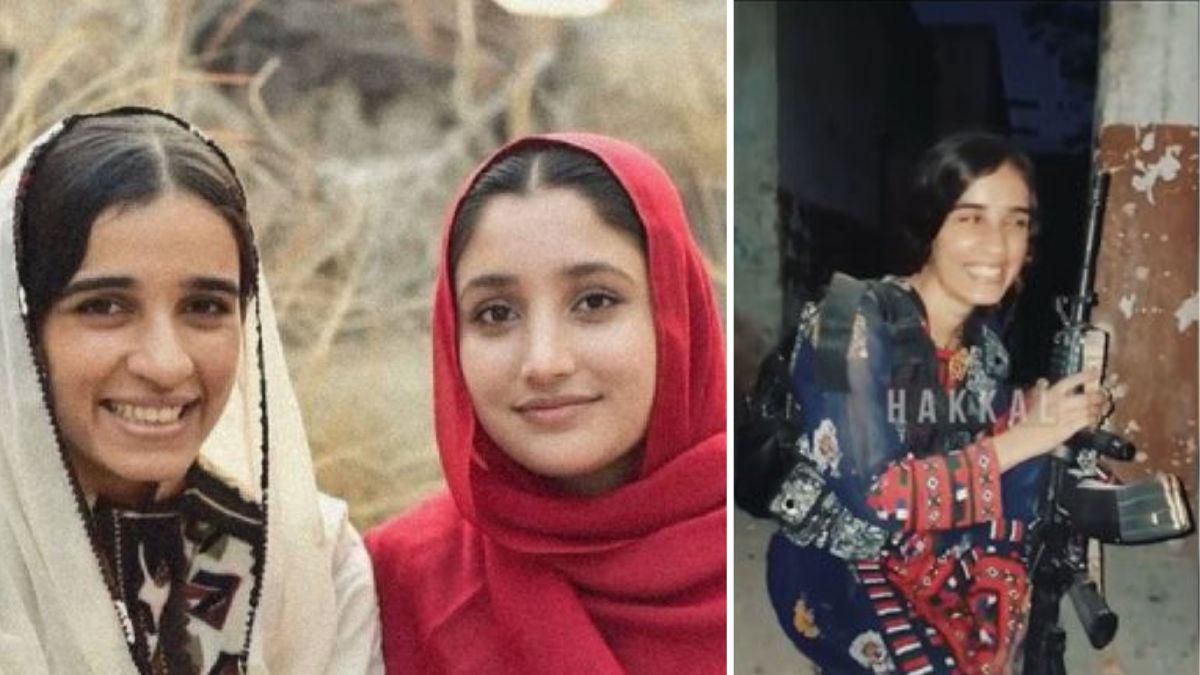
Republic World and other Asian outlets described attacks across Quetta, Gwadar, Mastung and Noshki, with some reports saying attackers dressed as civilians and used human shields. The BLA released videos showing women participating in the attacks, which some analysts called propaganda.
Balochistan post-attack responses
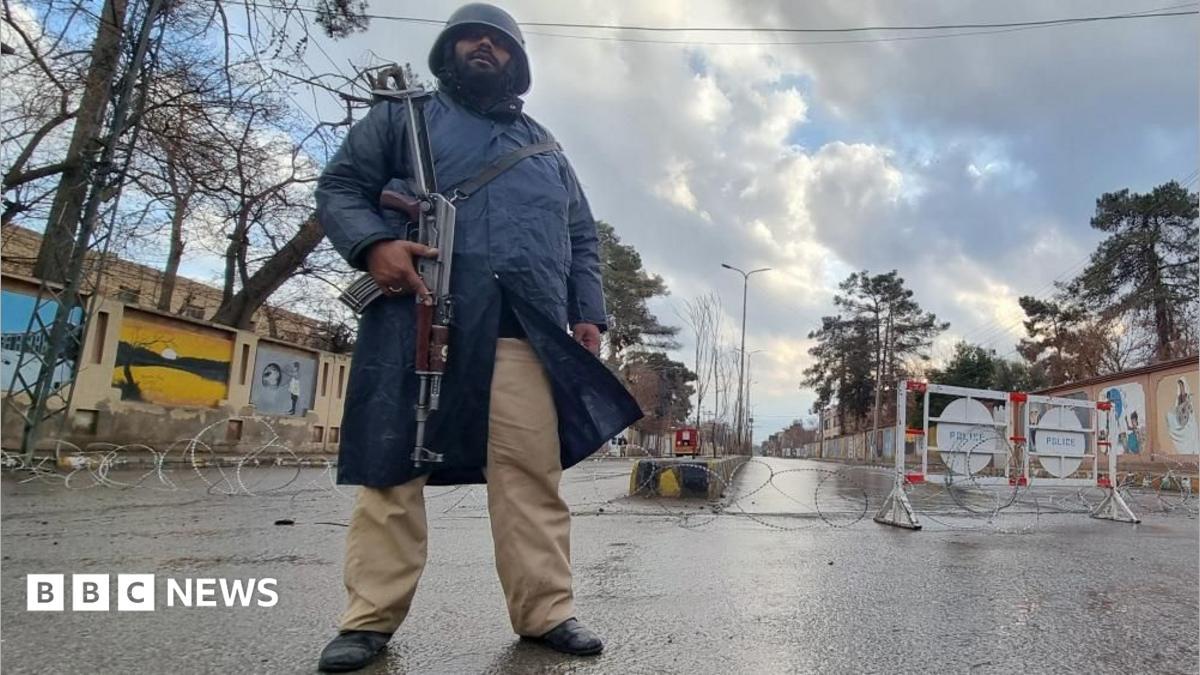
Authorities imposed sweeping security restrictions across Balochistan after the attacks, including bans on public gatherings, limits on traffic and prohibitions on face coverings that conceal identity. Provincial chief minister Bugti labeled the militants "Fitna al-Hindustan" and said some of the dead were Afghan nationals, claims that the press recorded alongside denials from New Delhi and Kabul. PressTV highlighted analysts who suggested Islamabad often blames neighbors rather than addressing internal grievances, offering a critical viewpoint not uniformly present across all accounts.
Coverage and next steps
Coverage diverges on broader context and next steps, with some outlets stressing the immediate tactical success claimed by security forces and others urging political and economic responses to long‑running grievances in resource-rich Balochistan. Khaama Press and National Herald cited analysts saying lasting peace will require political-economic solutions alongside security measures. The Guardian emphasized the scale of militant losses and linked the violence to an escalation involving multiple groups, including the TTP and Baloch separatists.
“Balochistan chief minister Sarfraz Bugti called the militants ‘Fitna al‑Hindustan,’ saying the reported militant deaths over two days were the highest in decades.”