Gaza Genocide04 December, 20252 min read
Palestinian Gunmen Kill Israeli-Backed Gaza Militia Leader Yasser Abu Shabab
This article is an automated aggregation of coverage from news outlets. Our editorials offer in-depth analysis curated by the NewsCord team.
Killed in Rafah during an internal clash; reports conflict whether he was shot or beaten Led the Popular Forces, an Israeli-backed militia controlling territory near Rafah and aid routes

31 outlets told this the same way.
Death of Popular Forces commander
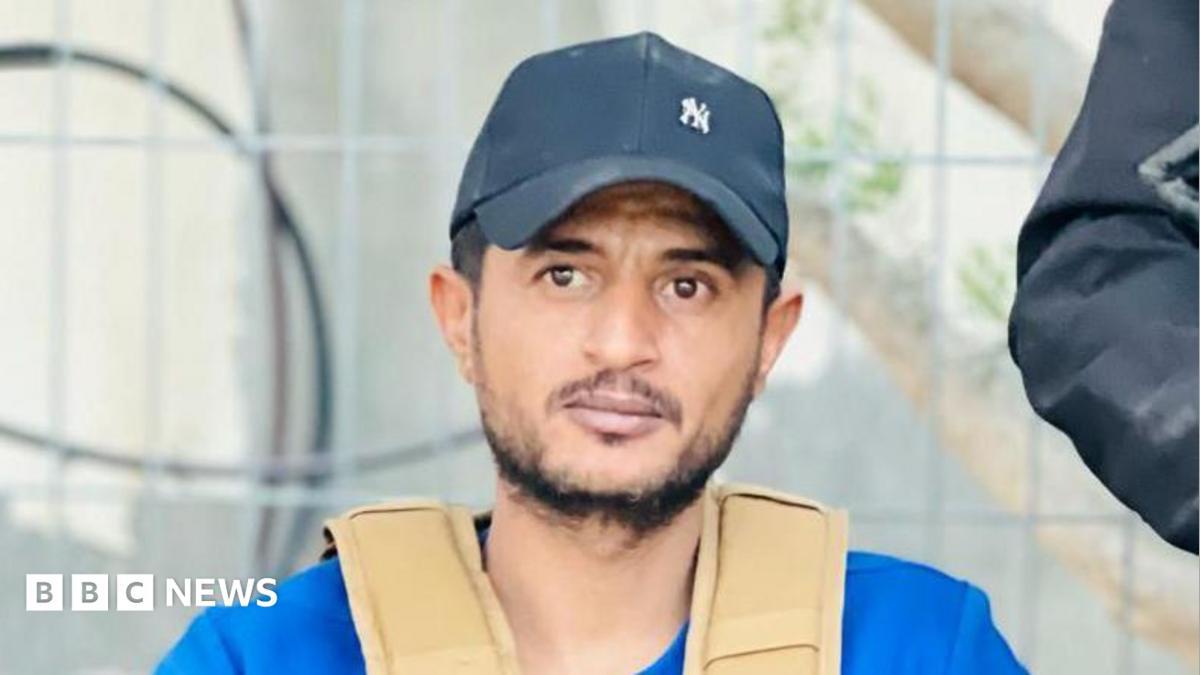
Yasser Abu Shabab, commander of the Popular Forces - an Israeli-backed, anti-Hamas militia based in Rafah - has been reported killed, with accounts differing over how he died and who was responsible. The Popular Forces said he died while trying to de-escalate a conflict between family members in a public square.
“The Popular Forces said he died while trying to ‘de‑escalate a conflict’ between family members in a public square; an Israeli source said the death resulted from ‘internal clashes.’”
An Israeli source described his death as the result of internal clashes, while other reports say he was ambushed or beaten during a brawl and later died en route to an Israeli hospital. Multiple outlets reported his group confirmed the killing even as hospitals and Israeli officials provided varying accounts about evacuation and admission.

Militia leader and allegations
Abu Shabab led the Popular Forces, described in multiple outlets as the most prominent of several small anti-Hamas groups operating in or from areas under Israeli control. Many reports say Israel covertly backed or armed his militia as part of a policy to weaken Hamas and secure aid corridors.
International reporting and a November UN probe cited in some outlets accuse him and his network of systematic looting and smuggling along the Kerem Shalom aid route, nicknamed Looters' Alley, and of profiting from illicit trade. His group defended its actions as 'humanitarian'.

Contested responsibility and motive
Hamas branded Abu Shabab a traitor and celebrated his downfall in some reports. The Popular Forces denied Hamas involvement and said the incident stemmed from an internal dispute or a family vendetta. Several outlets reported that relatives of a detained man assaulted his base or attacked him over a hostage.
“Hamas called his killing the ‘inevitable fate’ of a traitor and accused him and his group of criminal collaboration with Israel.”
At least one security account said the clash followed a refusal to free a hostage, a version the Popular Forces disputes. No independent, conclusive public investigation has been presented in the reporting available so far.
Effects of militia leader's death
Analysts and officials say the death of Abu Shabab weakens Israeli efforts to cultivate armed local proxies in Gaza. Prime Minister Netanyahu has acknowledged supporting anti-Hamas clans and supplying them with weapons. Commentators say the leader's violent removal underscores the fragility and criminality of those groups.
Israeli commentators described the episode as a setback for Israel. Channel 12's Amit Segal called the killing "a bad development for Israel," and several outlets said it undermines plans to use militias to secure reconstruction and aid distribution.
Humanitarian and accountability reporting
The reporting places Abu Shabab’s killing within a broader humanitarian and accountability context, with several outlets citing UN or internal investigations alleging his network looted aid convoys and profited from smuggling. Some regional sources highlight severe Palestinian casualty figures attributed to Israeli operations.
“A November 2024 internal UN investigation concluded Abu Shabab and his network were central to systematic looting of aid convoys and smuggling along the Kerem Shalom route in Rafah — an area the report called 'Looters’ Alley.'”
Available sources differ sharply in tone and emphasis: some stress the criminality and collaboration of Abu Shabab’s group, others focus on the strategic failures of Israeli policy, and a subset reports large civilian death tolls and condemns Israeli actions. I do not invent or attribute the legal term 'genocide' here because the provided excerpts generally do not use that specific word; instead they report high casualty counts and allegations of mass killing and suffering in Gaza.