Gaza Genocide05 December, 20252 min read
Palestinian Resistance Kills Israel-Backed Militia Leader Yasser Abu Shabab in Gaza Ambush
This article is an automated aggregation of coverage from news outlets. Our editorials offer in-depth analysis curated by the NewsCord team.
Yasser Abu Shabab was killed in Rafah during a public family dispute He led an Israel-armed, anti-Hamas militia controlling territory in Rafah
5 outlets told this the same way.
Outlets did split on Thousands March in London Calling for Britain to Stop Arming Israel and Impose Sanctions →
Death of Yasser Abu Shabab
Yasser Abu Shabab, leader of the Popular Forces, was killed in Rafah. Sources report differing immediate accounts of his death. CNN and Citizen Digital, citing his group and local reports, say he died while trying to "de-escalate a conflict" or "settle a family dispute."
“Israeli outlets Kan and Army Radio, citing security sources, said he died of unspecified wounds and that he may have been taken to Soroka hospital, but the hospital denied admitting him.”
Israeli outlets cited by NBC and CNN described "internal clashes" or unspecified wounds and reported attempts to evacuate him to an Israeli hospital before he was pronounced dead. Hamas denounced him as a traitor and urged action against collaborators but did not formally claim responsibility.

Abu Shabab’s group denied that Hamas carried out the killing. These competing claims underline the murky, dangerous environment in Rafah where armed factions, local families and Israeli-backed groups intersect.
Abu Shabab in Rafah
Abu Shabab functioned as an Israel-aligned local actor in Rafah. CNN reports he had been used by Israel as a local proxy to weaken Hamas. CNN also says he helped secure reconstruction work under a ceasefire plan and control aid flows from the Kerem Shalom crossing.
NBC frames his death as a setback to Israeli efforts to support clans opposed to Hamas. Citizen Digital highlights accusations that he led a criminal gang, looted aid, and had a past prison sentence.
They also note he was accused of coordinating with Israeli forces, a claim he later retracted. Together, the sources depict him as both an Israeli-backed local actor and a controversial figure accused of criminality and collaboration.
Reactions to Abu Shabab's death
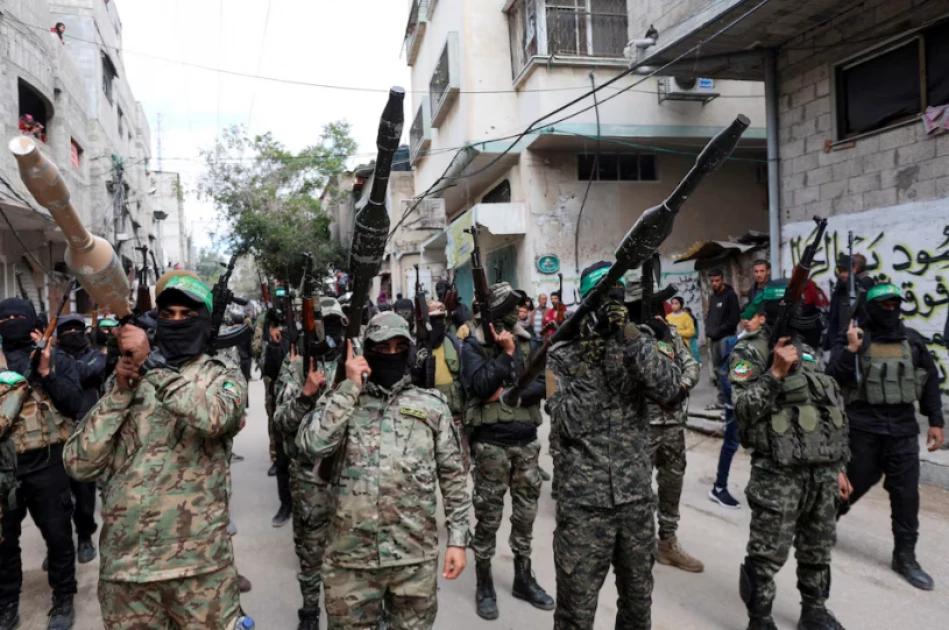
CNN and Citizen Digital reported images and local accounts of Palestinians celebrating his death, including displaced residents reacting with relief. NBC noted there was no immediate statement on the Popular Forces’ Facebook page and emphasized ongoing heavy violence in Rafah where the group operated. The contrast highlights Western mainstream outlets focusing on strategic consequences and uncertainty, while West Asian coverage foregrounded local relief and accusations of wrongdoing by Abu Shabab’s group.
“His death — and images of some Palestinians celebrating it — could be a setback to Israel’s uncertain post-war plans for Gaza.”
Contested claims and operations
Claims of responsibility remain contested. CNN and NBC report that Hamas labeled him a collaborator and called for action, but neither records a clear, explicit claim of responsibility. Citizen Digital records a local family saying they brought him down.
NBC adds that Israeli forces said they wounded four soldiers in Rafah and killed about 40 Hamas militants in tunnels beneath the city. The sources thus present a mix of political denunciation by Hamas, local revenge or feuding, and ongoing Israeli military presence.

Consequences of Abu Shabab's death
The killing of Abu Shabab carries wider consequences. CNN and NBC predict it could be a setback for Israeli post-war plans in Gaza and for efforts to support local clans opposed to Hamas. Citizen Digital highlights popular relief and allegations of corruption and collaboration that shaped local attitudes toward him.
“His death — and images of some Palestinians celebrating it — could be a setback to Israel’s uncertain post-war plans for Gaza.”
Together, these accounts portray an Israeli strategy of cultivating local proxies colliding with local rivalries and accusations of criminality. The exact chain of events leading to his death remains disputed across sources, leaving key facts unclear.