Gaza Genocide23 December, 20253 min read
Palestinians Resume Christmas Celebrations in Bethlehem Under Israeli Occupation After Gaza Truce
This article is an automated aggregation of coverage from news outlets. Our editorials offer in-depth analysis curated by the NewsCord team.
Thousands gathered in Bethlehem’s Manger Square for parades, scouts, carols, and tree lighting Celebrations resumed amid a fragile ceasefire in Gaza while the enclave remains devastated and displaced

18 outlets told this the same way.
Outlets did split on Israel Marks Oct. 7 Anniversary With Strikes on Gaza, Netanyahu Faces Election After Nova Tribute →
Bethlehem Christmas return
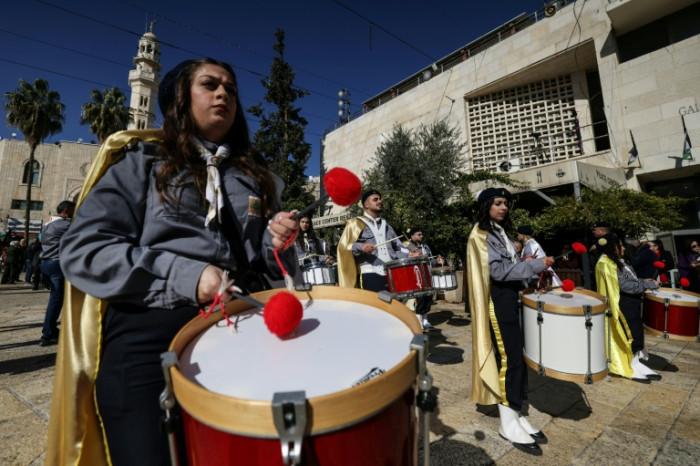
Bethlehem re-lit its 15‑metre Christmas tree and staged its first fuller public Christmas activities since 2022 amid fragile optimism after the October ceasefire. A small number of pilgrims and tourists returned and public ceremonies led by church leaders were presented as acts of communal hope. Sri Lanka Guardian reported the tree relighting was driven by "fragile optimism following an October ceasefire" and a desire to "rekindle hope".
“Bethlehem has re-lit a 15‑metre Christmas tree in Manger Square and cautiously resumed limited public Christmas activities after a two‑year pause taken in solidarity with Palestinians killed in the Gaza war.”
The Los Angeles Times noted that thousands — mostly local residents — gathered in Bethlehem's Manger Square. Al Jazeera recorded visitors praising a "joyful, inclusive atmosphere" while noting there were far fewer tourists than before. Hindustan Times added that Palestinian President Mahmoud Abbas was expected to attend midnight Mass for the first time in two years, underscoring the symbolic return of official participation.

Bethlehem economic and human crisis
The city's tourism-dependent economy remains shattered. Multiple sources report tourism collapse, massive unemployment, and a large outflow of residents seeking work. Los Angeles Times and several other outlets estimate Bethlehem's dependence on tourism at roughly 80%.
They report unemployment rose from about 14% to roughly 65%, with approximately 4,000 people leaving to find work. Sri Lanka Guardian and Palestinian News Network describe devastated livelihoods, revoked work permits, restricted exports, and erratic public-sector salary payments that drained savings.
Hindustan Times reports the Gaza war has killed about 70,669 Palestinians since October 2023. Several outlets link this human toll to the broader collapse of the local economy.
Bethlehem travel and violence
Security conditions under Israeli occupation continue to shape who can travel to Bethlehem and how celebrations are conducted. Sources describe ongoing Israeli military operations in Gaza alongside raids and a surge in settler attacks across the West Bank that have injured dozens and disrupted daily life. Sri Lanka Guardian reports that military operations in Gaza persist and notes continued violence, raids and settlement expansion in the West Bank.
“Gaza ceasefire began in October, but Israeli raids and a surge in settler attacks have kept tensions high.”
The Los Angeles Times documents a post‑ceasefire pattern of raids, increased settler attacks and restrictive checkpoints that lengthen travel times. West Hawaii Today, citing U.N. data, says a sharp rise in extremist settler violence injured people in the Bethlehem area. Palestinian News Network highlights movement restrictions at Rachel’s Tomb Crossing (Checkpoint 300) and an early closing of the main crossing that constrains work and tourism.
Bethlehem's Christmas worship return
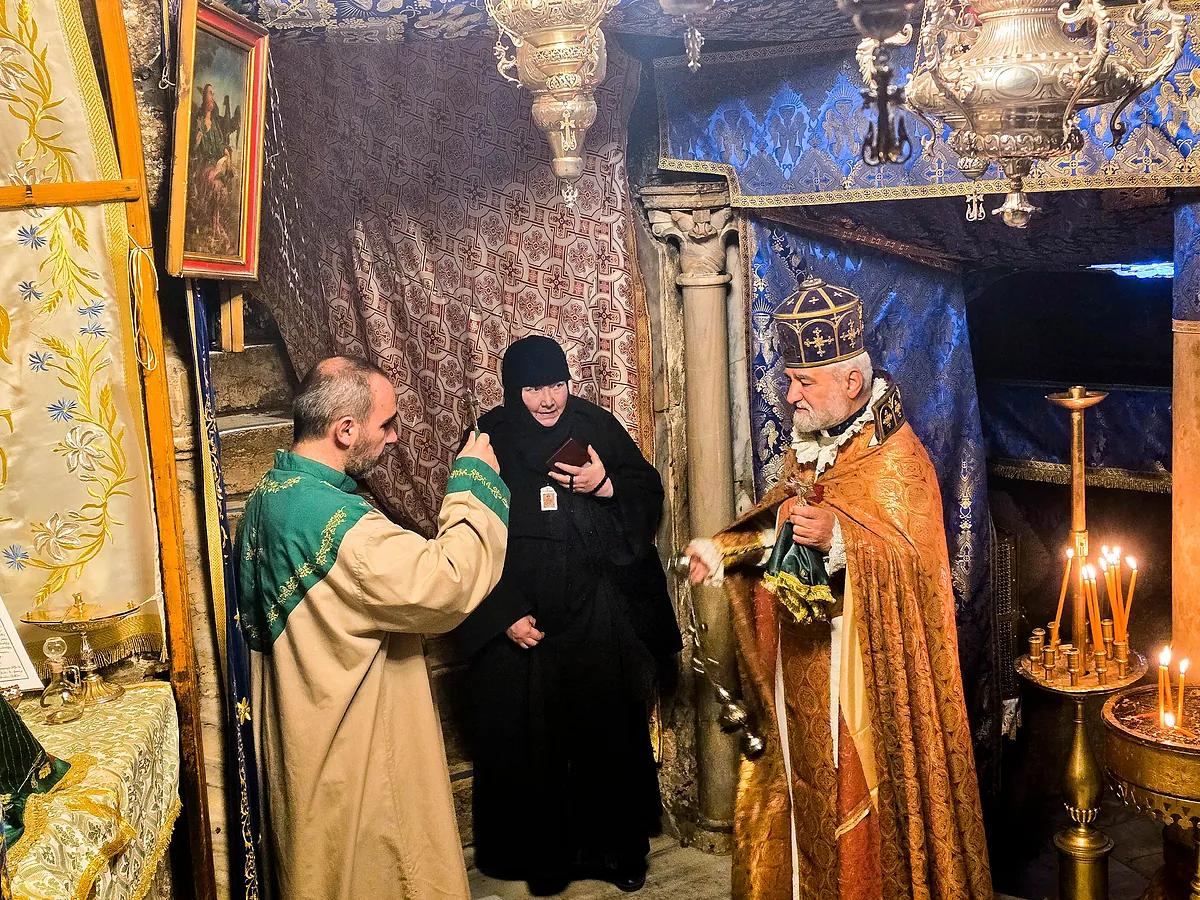
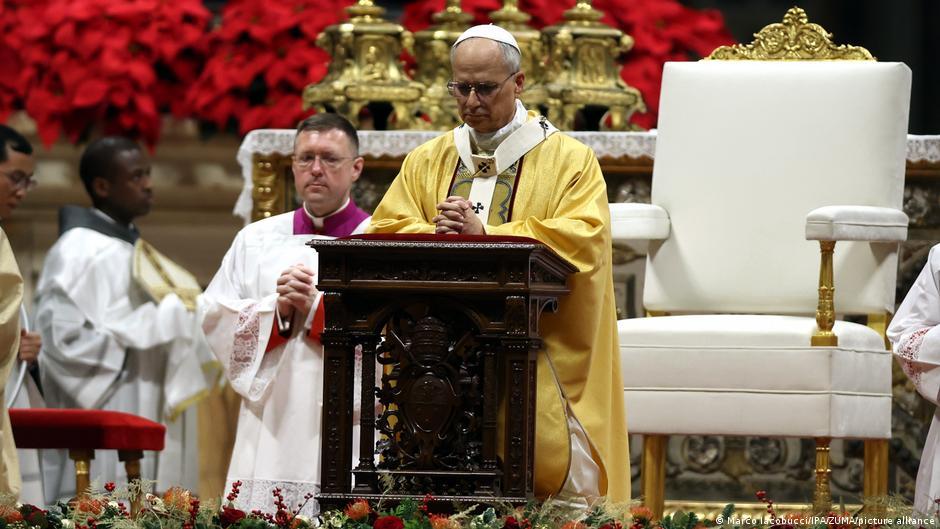
Religious leaders and local organizers framed the return of public worship and processions as resilience rather than triumph. Latin Patriarch Pierbattista Pizzaballa led the procession from Jerusalem to Bethlehem and called for a 'Christmas full of light.' Clergy said reviving celebrations is an act of hope to help the community survive.
DW and Kursiv emphasized the Patriarch’s role and the modest foreign turnout, noting that thousands of attendees were mostly local. Al Jazeera quoted shopkeepers and souvenir sellers who cautiously welcomed renewed business but demanded an end to the siege isolating Bethlehem. Weekly Voice highlighted the symbolic return of processions and music, which restored a rare sense of normality.
Bethlehem recovery outlook
Outlook for Bethlehem remains fragile and contested. Officials and clergy urged visitors to come and framed the relighting as a step toward recovery. Multiple sources warn that restrictions, checkpoints, settler attacks and ongoing Israeli military operations in Gaza will limit any quick revival of pilgrimage and tourism.
“Clergy and civic leaders say reviving celebrations is not a triumphal return but an act of hope to help the community survive while recovery remains fragile.”
Sri Lanka Guardian and Palestinian News Network stress fragile recovery and logistical constraints. El Mundo and local shopkeepers call on believers to return to revive livelihoods. DW cautions church leaders to avoid unrealistic expectations while noting the severe economic toll and the small size of the local Christian population.