Palestinians Vote in West Bank and Deir al-Balah as Counting Continues Until Sunday
Key Takeaways
- West Bank and Deir al-Balah vote; Gaza's first local election in over two decades.
- Vote counting began after polls closed, with results expected Sunday.
- Limited competition; Hamas barred from the ballot and Fatah-dominated field.
First Gaza vote in 20 years
Palestinians voted in local elections on Saturday across the occupied West Bank and in Deir al-Balah in central Gaza, with counting continuing as officials said results were expected Sunday.
Anadolu Ajansı reported that polling stations opened at 7 am and that counting began after polls closed at 7 pm local time in the West Bank and at 6 pm in Deir al-Balah, where voting was extended by one hour.

The Anadolu report said the elections involved 491 polling centers with 1,922 stations, with 1.03 million voters choosing representatives for 183 local bodies, including 90 municipal councils and 93 village councils.
In Deir al-Balah, Anadolu said turnout reached about 25% and that 15,962 voters cast ballots out of 70,449 eligible voters in the city.
BBC said the Deir al-Balah vote was the first poll of any kind held in Gaza since 2006, and it described the process as taking place where Hamas operates, even though Hamas was not allowed to stand.
CNN reported that Gaza held its first elections in more than 20 years but only in one city, saying approximately 70,000 voters—less than five percent of the population—were eligible to cast their ballot in Deir al-Balah.
Reuters-via RNZ put the Deir al-Balah turnout at 22.7 percent and the West Bank turnout at 53.44 percent, and said counting began immediately with results expected later on Saturday or Sunday.
Rules, turnout, and process
Election officials framed the vote as an effort to restore democratic procedures under extreme constraints, with Anadolu Ajansı emphasizing “accuracy and transparency” in the ongoing tally.
Anadolu said counting began after polls closed and that final turnout in the West Bank reached 53.44%, with 512,510 voters casting ballots, while WAFA said polling centers closed at exactly 7:00 p.m. and that the process was conducted “calmly and in an organized manner, with no major violations recorded.”

WAFA also reported that in Deir al-Balah turnout reached 22.66%, with 15,962 voters casting ballots out of 70,449 eligible voters, and it said preliminary results for each station would be posted at polling center doors once counting was completed.
Al-Jazeera Net said polling boxes closed Saturday evening in the occupied West Bank and Deir al-Balah and that the Central Elections Commission said polling centers closed at exactly 7:00 p.m. local time in the West Bank, while Deir al-Balah voting ended at 6:00 p.m. after an additional hour.
صـوت الإمارات described the voting mechanism in municipal councils as voters selecting one list by marking it with a checkmark and then choosing five candidates from that list, while village councils required voters to select five names directly from the ballot paper.
It also said the committee decided to forgo the use of indelible ink in polling stations in the West Bank, while providing special accommodations for illiterate voters and those with mobility impairments.
CNN added that in Gaza, the election faced “a lack of suitable polling places” and “a shortage of ballot boxes,” and it quoted Jamil al-Khalidi saying many schools were destroyed in Israeli strikes, forcing the elections committee to use tents instead.
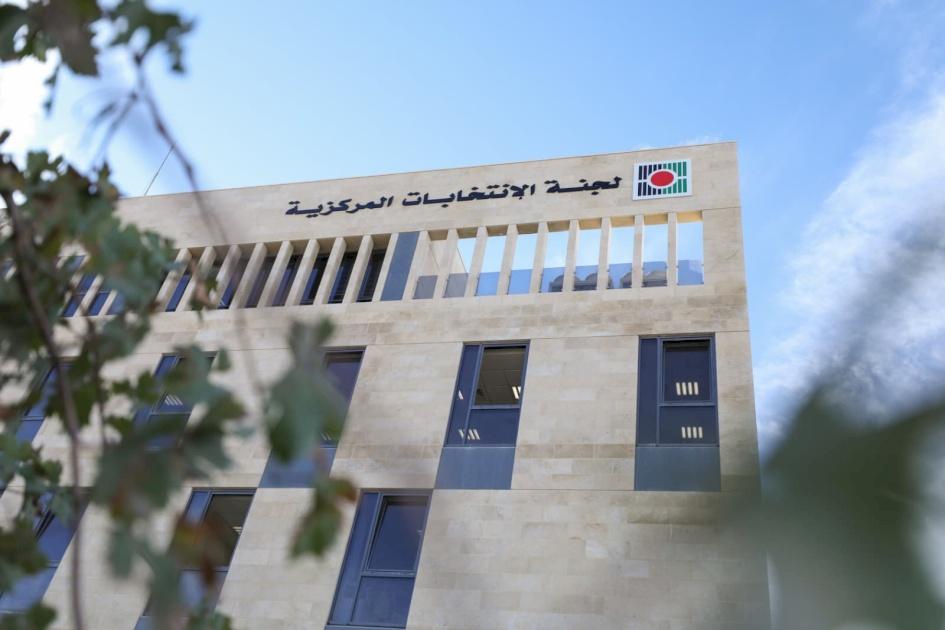
Across the reporting, the Central Elections Commission’s headquarters in Al-Bireh and the timing of announcements were recurring: Anadolu said official results would be announced at a news conference in Ramallah before noon, while WAFA said final compilation and verification would take place at the commission’s headquarters in Al-Bireh ahead of a Sunday afternoon press conference at the Media Center in Al-Bireh.
Hamas excluded, Fatah-led vote
The elections were held under conditions that excluded Hamas from participating, while the Palestinian Liberation Organisation (PLO) requirement shaped who could run.
BBC reported that Hamas was not allowed to stand and that several other factions boycotted it over a requirement that candidates recognise the authority of the Palestinian Liberation Organisation (PLO).
CNN said Hamas was officially excluded from participating in Saturday’s municipal election because the PLO required parties and candidates to accept commitments including recognition of Israel and support for a two-state solution.
Anadolu Ajansı described the elections as taking place across the occupied West Bank and in Deir al-Balah, where it said all 12 polling centers had closed and counting began in the presence of observers, list agents and accredited journalists.
In Gaza, CNN reported that although Hamas was not on the ballot, Hamas’ police forces secured the polling sites in Deir al-Balah, surrounding each location with armed guards.
The Media Line reported that Hamas did not officially participate and that several Palestinian factions had objected to new candidacy requirements tied to the Palestine Liberation Organization’s program, while critics said many contests were uncontested or dominated by Fatah-backed lists.
In the West Bank, the political landscape was described as dominated by Fatah-linked lists: BBC said Fatah was the faction led by President Mahmoud Abbas and that it dominates the PLO, and it noted that with Fatah the only major faction on the ballot across the Palestinian territories, victory was guaranteed in some districts because no opposition candidates were running.
The Media Line added that Fatah claimed a broad victory Sunday, saying it had won most local councils, including Jenin, and had formed 197 municipal and village councils by consensus with other factions.
Reuters-via RNZ said the West Bank-based Palestinian Authority hoped the inclusion of Deir al-Balah would reinforce its claim to authority over the territory from which it was ousted by Hamas in 2007, and it quoted Abbas saying, “Gaza is an inseparable part of the state of Palestine.”
Voices: voters, officials, analysts
Voters and officials described the Deir al-Balah election as a return to civic life after war, while other voices emphasized skepticism about what elections can change under occupation and stalled ceasefire talks.
Reuters-via RNZ quoted Mamdouh al-Bhaisi, a 52-year-old voter, saying, “As a Palestinian and a son of the Gaza Strip, I feel proud that after this war the democratic process is returning,” and it added that he said, “I am overjoyed, and I pray that everyone will participate and contribute to the success of this great democratic celebration.”

CNN also quoted Mamdouh al-Bhaisi and described the vote as largely symbolic, while Jamil al-Khalidi told CNN that the committee was “determined to hold these elections and find the necessary alternatives to ensure the success of the electoral process.”
In the West Bank, BBC quoted Mohammed al-Hasayna telling AFP that the election served as a sign of people’s “will to live,” and it quoted him saying, “We want the world to help us overcome the catastrophe of war. Enough wars - it is time to work towards rebuilding Gaza,” as he spoke after voting in Deir al-Balah.
BBC also included a contrasting view from Tulkarem, where businessman Mahmud Bader told AFP, “The [Israeli] occupation is the one that rules Tulkarem. It would only be an image shown to the international media - as if we have elections, a state or independence,” reflecting deep skepticism about meaningful change.
CNN quoted Hamas spokesman Hazem Qassem saying, “Holding municipal elections in Deir al-Balah is a positive and important step,” and it reported he called for presidential and legislative elections, which also have not been held in two decades.
CNN quoted Ashraf Shuaibi, head of the Central Elections Commission, saying, “It was heartwarming to see Gaza locally built ballot boxes and locally printed ballot papers provide first time elections in 21 years and a devastating war,” and it also quoted Sarah Johnson of the Carter Center saying, “Gaza’s inclusion is fundamental to any credible path toward self-determination and to affirming the national and territorial unity that a political horizon requires.”
The Media Line added that local councils oversee basic services such as water, roads, electricity, waste collection, and building permits, and it framed the vote as practical governance amid war and Israeli movement restrictions.
What happens next, and why it matters
The reporting tied the municipal elections to a broader political and ceasefire process, while also emphasizing the limits of what the vote can test amid war, displacement, and political division.
CNN said the elections took place amid a stalled process to advance the US-brokered ceasefire between Israel and Hamas, and it described the next phase of the agreement as involving disarmament of Hamas, the deployment of an international force to Gaza, and the withdrawal of Israeli forces.
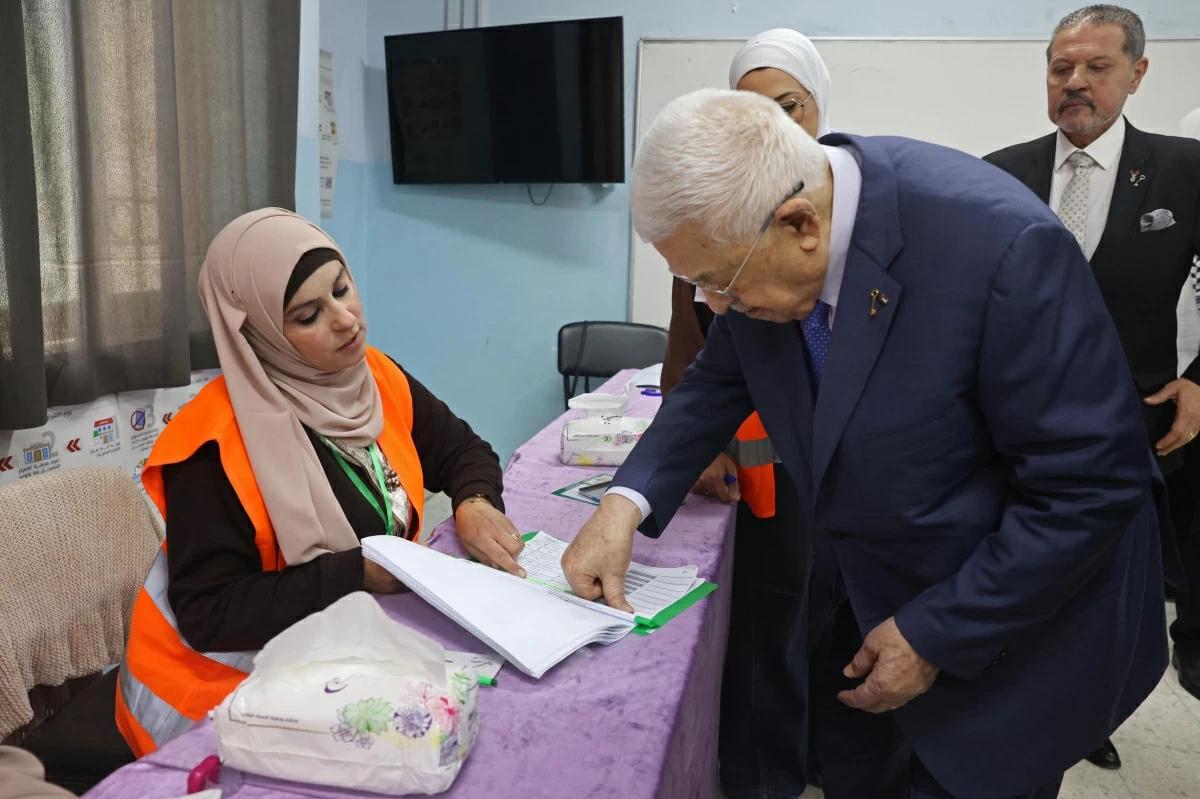
BBC similarly said a fragile ceasefire was in place as part of US President Donald Trump’s 20-point peace plan, which halted the fighting in October last year, and it described the elections as a first poll of any kind in Gaza since 2006.
RNZ reported that intermittent talks led by the United States had made little progress toward a settlement that envisages international supervision of Gaza, and it said the local elections could be a step toward the first national elections in nearly two decades.
CNN said the elections were also an opportunity for the Palestinian Authority to show unified governance over both the West Bank and Gaza, noting that the Fatah-led authority has not held any real measures of power in Gaza since it was kicked out by Hamas nearly two decades ago.
The Media Line said Fatah claimed it had won most local councils and formed 197 municipal and village councils by consensus, while WAFA and Anadolu both described how results would be compiled and verified at the commission’s headquarters in Al-Bireh before official announcements.
In Gaza, CNN said the results and voter turnout were expected to help gauge Hamas’ popularity after two years of war, even though Hamas was excluded from running an official candidate list.
BBC reported that Reuters said one slate of candidates in Deir al-Balah was widely seen as being aligned with Hamas, and it said Hamas continues to operate in parts of Gaza where Israeli forces have withdrawn from, with Reuters reporting that its police force was involved in security operations around polling stations.
RNZ reported that the Palestinian Authority has struggled to pay wages as Israel withholds tax revenues it collects on its behalf, raising fears of economic collapse, and it quoted Finance Minister Bezalel Smotrich saying, “We will continue to kill the idea of a Palestinian state.”
More on Gaza Genocide
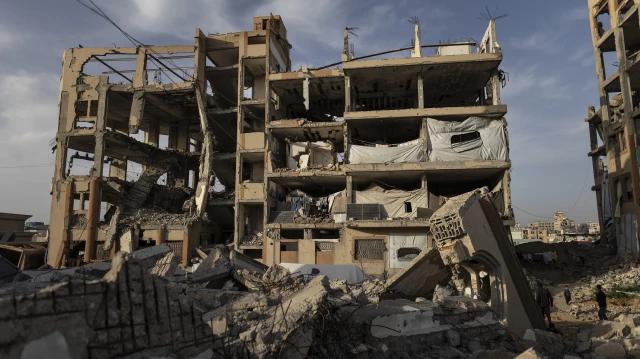
Israeli Attacks Kill At Least Four Palestinians in Gaza Despite Ceasefire
22 sources compared

Israel Prevents Essential Materials as Aid Trucks to Gaza Fall After Iran War
11 sources compared

Israel Strikes Continue as Iran, Hezbollah, and Hamas Remain Degraded Under Conditional Ceasefires
23 sources compared
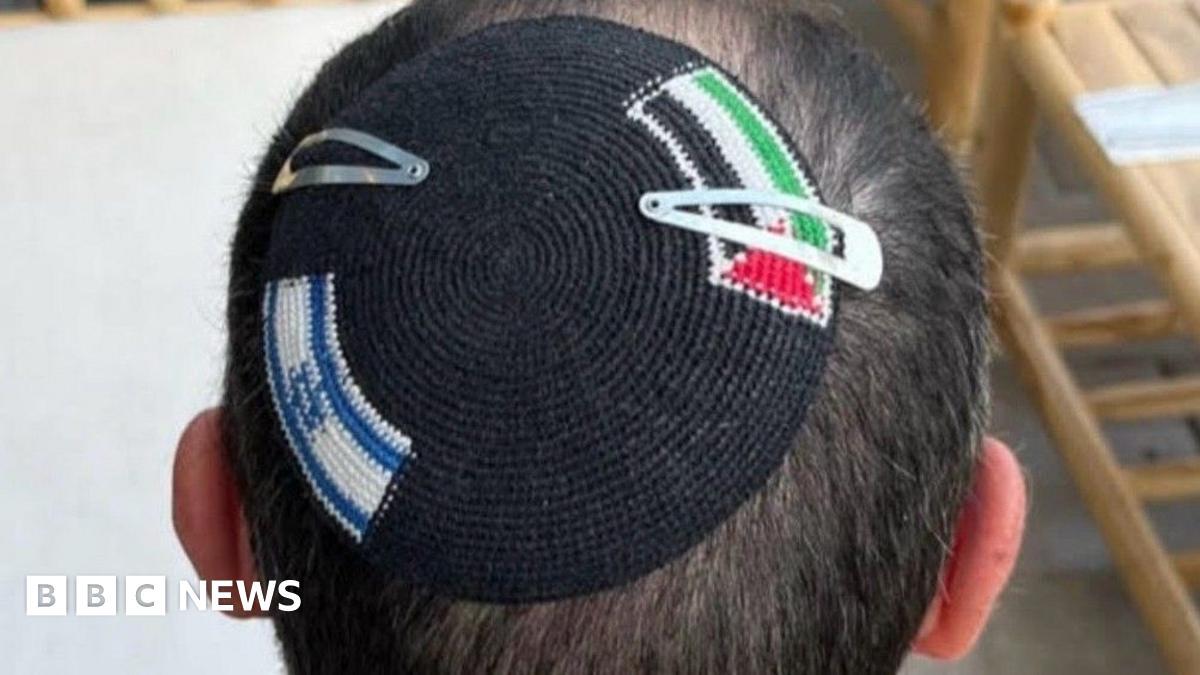
Israeli Police Detain Alex Sinclair, Cut Palestinian Flag From Kippah in Modi'in
11 sources compared