USA12 February, 20263 min read
Pam Bondi Faces Fiery Congressional Hearing After DOJ Under Her Watch Recklessly Exposed Epstein Victims' Identities
Department of Justice released Epstein files that exposed victims' identities through faulty redactions Attorney General Pam Bondi faced a heated, five-hour House Judiciary Committee hearing over Epstein files
15 outlets told this the same way.
Outlets did split on Trump Interrupted by Protesters at San Antonio Rally for Ken Paxton →
DOJ Epstein records hearing
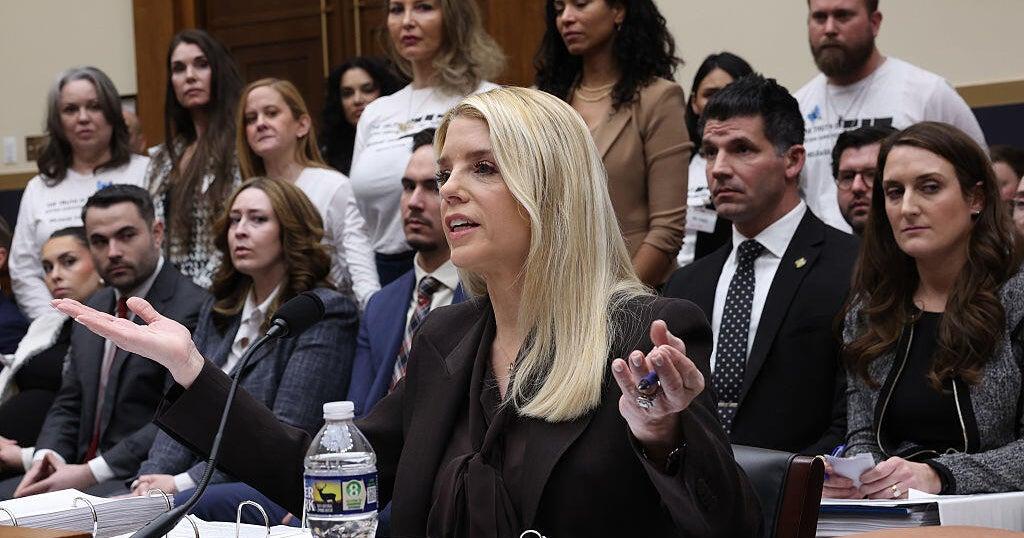
Pam Bondi, the former Florida attorney general, faced a blistering House Judiciary Committee hearing after the Justice Department released millions of pages of records tied to Jeffrey Epstein that left survivors' identities exposed and many documents heavily redacted. Lawmakers from both parties and several survivors attended the session and pressed Bondi over the pace and scope of disclosures. Reporters and outlets described the hearing as tense and emotional, and noted that roughly three million of about six million subpoenaed items have been published.
“Bondi denied wrongdoing, defended the DOJ’s work, called Epstein a ‘monster,’ apologized to victims and said there are pending investigations.”
Bondi repeatedly defended the department's review process, apologized to victims in her opening remarks, and blamed human error amid tight deadlines. Critics accused the Justice Department of a cover-up and of mishandling sensitive information.

Redaction errors and response
A central flashpoint was the mishandling of redactions, with multiple outlets reporting that victims' names and, in some cases, images were improperly exposed and lawmakers pressing Bondi for answers about why redactions failed.
Rep. Thomas Massie, a co-sponsor of the Epstein Files Transparency Act, called the publication of a victims' list 'literally the worst thing you could do to the survivors' and accused the DOJ of being 'caught red-handed' after a prominent name, Les Wexner, was briefly removed then restored.

Bondi said the department corrected the Wexner entry about 40 minutes after being alerted and defended the error rate amid a short review window.
Survivors confront officials
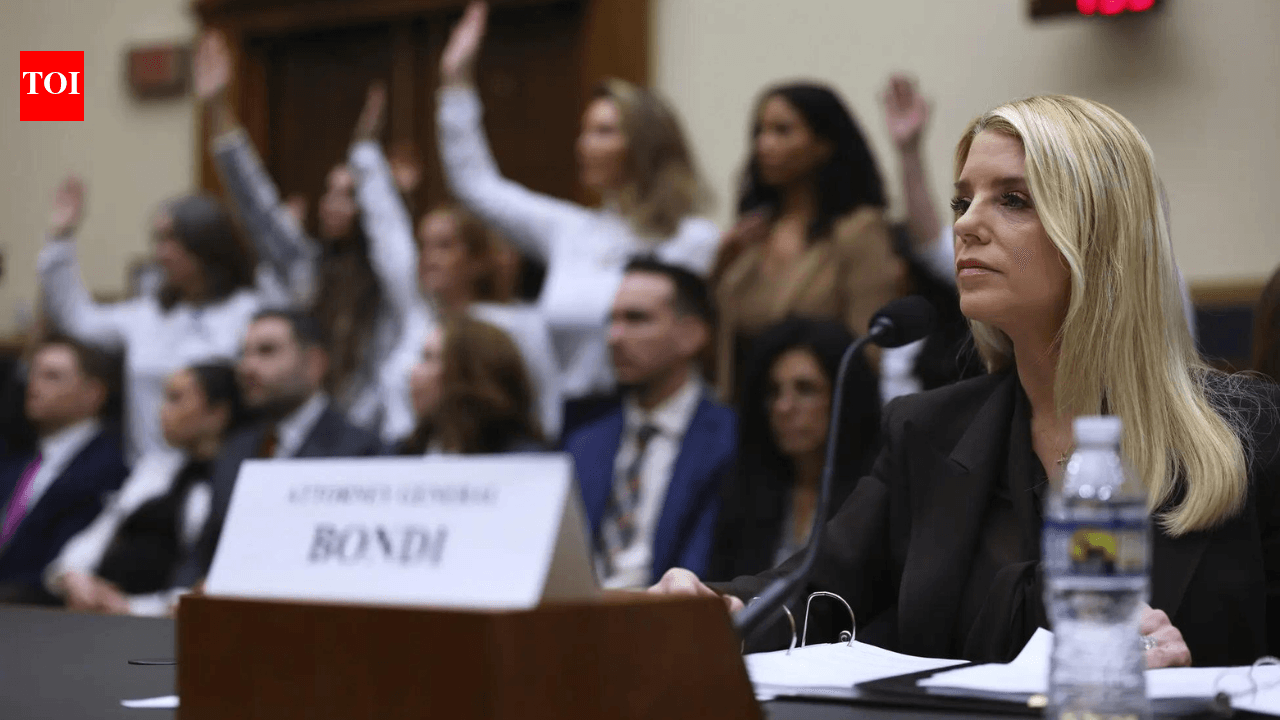
Survivors and advocacy groups attended the hearing and confronted lawmakers and Bondi directly.
“Jayapal asked Pam Bondi to turn and apologize to a group of Jeffrey Epstein survivors seated behind her for the exposure of their private information; Bondi refused, calling the request a ‘political stunt’ and saying she wouldn’t ‘get in the gutter for her theatrics,’ a remark that drew immediate condemnation from survivors.”
Several accounts reported that survivors had not been contacted by DOJ officials and demanded apologies or meetings.
Rep. Pramila Jayapal asked Bondi to turn and apologize to survivors seated behind her, but Bondi rejected the request and called it theatrical.
Survivors later said they had not been met by the DOJ and that Bondi had not returned their calls.
Coverage described an emotional scene in which survivors stood to show they had not been approached by the department, and some lawmakers walked out in frustration after sharp exchanges.
DOJ hearing controversies
The hearing spotlighted partisan arguments about the Justice Department's priorities and whether decisions showed deference to powerful figures. Democrats accused Bondi and the department of shielding associates and slowing disclosures. Al Jazeera and DW reported Democrats saying Bondi put loyalty to former President Trump above the law.
Bondi and some Republicans stressed procedural limits and blamed rushed review for errors. Bondi made incendiary remarks about Ghislaine Maxwell, saying she would 'hopefully die in prison'. Republicans pushed for broader public release of the records, which Bondi's critics said had been handled selectively.

DOJ reputation and privacy
Outlets warned the episode had broader consequences for the DOJ's reputation and for survivors' privacy, reporting that only about half of the subpoenaed materials had been released. They also flagged redaction errors that exposed survivors' identities and said those mistakes prompted promises of further reviews and possible indictments.
“Critics note many documents remain heavily redacted and that only about three million of roughly six million subpoenaed materials have been released; the new Epstein Files Transparency Act requires the DOJ to publish related records.”
Some sources portrayed the missteps as human error under severe time pressure, while others framed them as evidence of willful protection of powerful people. Across coverage, reporters consistently noted that survivors were present, many documents remain heavily redacted, and investigations are ongoing, even where interpretations of motive diverged.