Europe05 January, 20262 min read
Paris Court Convicts Ten People Who Cyber-Harassed France's First Lady Brigitte Macron
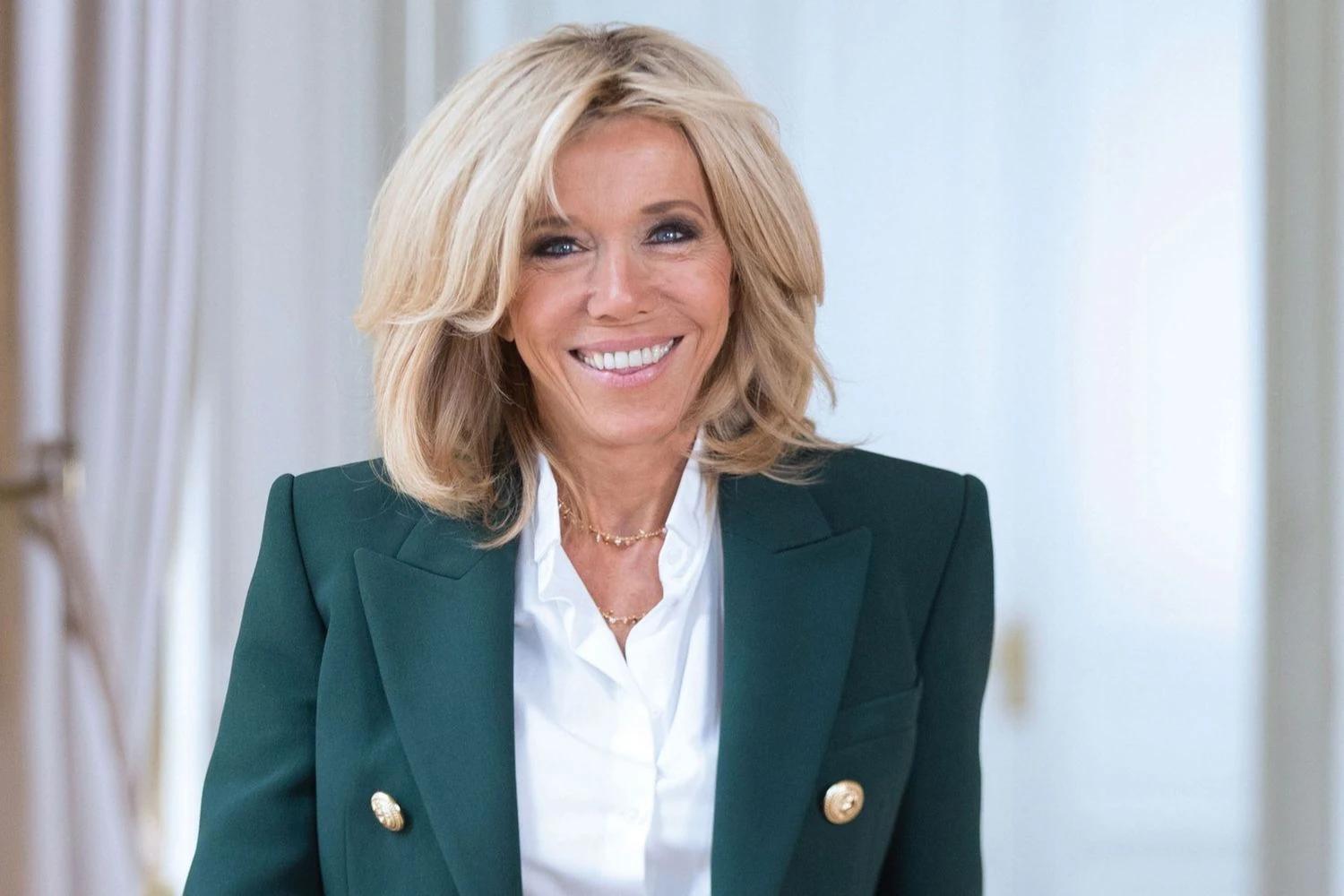
Paris court convicted ten people of cyberbullying Brigitte Macron Defendants spread false claims she was born male and alleged pedophilia
38 outlets told this the same way.
Outlets did split on Marco Rubio Urges Europe To Awaken From Slumber In Athens Speech →
Harassment case against Brigitte Macron
A Paris criminal court found ten people—eight men and two women, aged about 41–65—guilty of a sustained online harassment campaign against France’s First Lady, Brigitte Macron. Judges described the posts as particularly degrading, insulting and malicious, and said the defendants spread false claims about her gender and sexuality, including the long-running conspiracy that she was born a man and even identified as her brother Jean-Michel Trogneux.
“A Paris court on May 1, 2026 convicted ten people (eight men and two women, aged 41–65) of cyber‑harassing France’s First Lady Brigitte Macron.”
Sentences ranged from mandatory cyberbullying awareness training to suspended prison terms, generally four to eight months, with some immediate terms reported. Several defendants will also face temporary social-media suspensions, and the court singled out prominent instigators such as Delphine Jegousse (aka Amandine Roy) and Aurélien Poirson-Atlan (aka Zoé Sagan) for heavier penalties.
Court sanctions and penalties
Courts issued a mix of practical and symbolic sanctions. Sanctions included suspended jail terms, commonly four to eight months, mandatory cyberbullying-awareness courses for all convicted, and temporary suspensions of social-media accounts used in the attacks. Several outlets reported that some penalties may be served at home under specified conditions.
The court also ordered the defendants to pay joint compensation for moral damage, according to at least one report. Some media noted that a few individuals received immediate prison sentences while others were given suspended terms.

Online harassment and legal response
The harassment campaign grew from long-running online conspiracy threads that falsely alleged Brigitte Macron was born male, often naming family member Jean-Michel Trogneux, and repeatedly attacked the age gap between her and President Emmanuel Macron by implying paedophilia. The Macrons have responded through litigation in France and abroad, pursuing criminal complaints in Paris and a reported 219-page defamation suit in Delaware against US commentator Candace Owens. Brigitte Macron did not attend the Paris trial; her daughter Tiphaine Auzière testified about the harm the abuse caused the family.
“Separately, the Macrons filed a 219‑page defamation suit in Delaware in July against right‑wing U.S. podcaster Candace Owens.”
Accused profiles and responses
Reports identify a mix of accused profiles and roles: the convicted include an elected official, a teacher, a computer scientist, prominent bloggers and several self-identified influencers. Some defendants publicly identified themselves while others’ identities were withheld in official notices.
Journalists singled out Delphine Jegousse (also known as Amandine Roy), who posted a four-hour YouTube video in 2021, and Aurélien Poirson-Atlan (aka Zoé Sagan) as leading figures. At least one convicted man said he would appeal and framed the ruling as a threat to free speech.

Reactions and media coverage
Observers and advocacy groups framed the decision in different ways. Women's and anti-harassment advocates described it as an important precedent for treating digital harassment of prominent women seriously and as a victory for victims who often face sustained online abuse, while other voices raised free-speech concerns and cautioned about possible overreach when courts criminalize online commentary. The case has been widely covered across Western mainstream, Western alternative and West Asian outlets, with differences mainly in emphasis: some foreground legal precedent and victim impact, others spotlight free-speech debates or the international dimension of the Macrons' parallel US lawsuit.
“The ruling was framed as an important precedent for treating digital harassment of prominent women as seriously as offline abuse and is separate from a US civil defamation suit against commentator Candace Owens accused of amplifying similar claims.”