India18 December, 20252 min read
PDP Leader Iltija Mufti Files Police Complaint Against Bihar Chief Minister Nitish Kumar After He Attempts To Remove Woman's Hijab
Bihar CM Nitish Kumar forcibly removed a Muslim doctor’s hijab during a Patna appointment-letter event The video sparked nationwide outrage, condemnation from opposition, Muslim organisations, and public figures
10 outlets told this the same way.
Hijab removal controversy
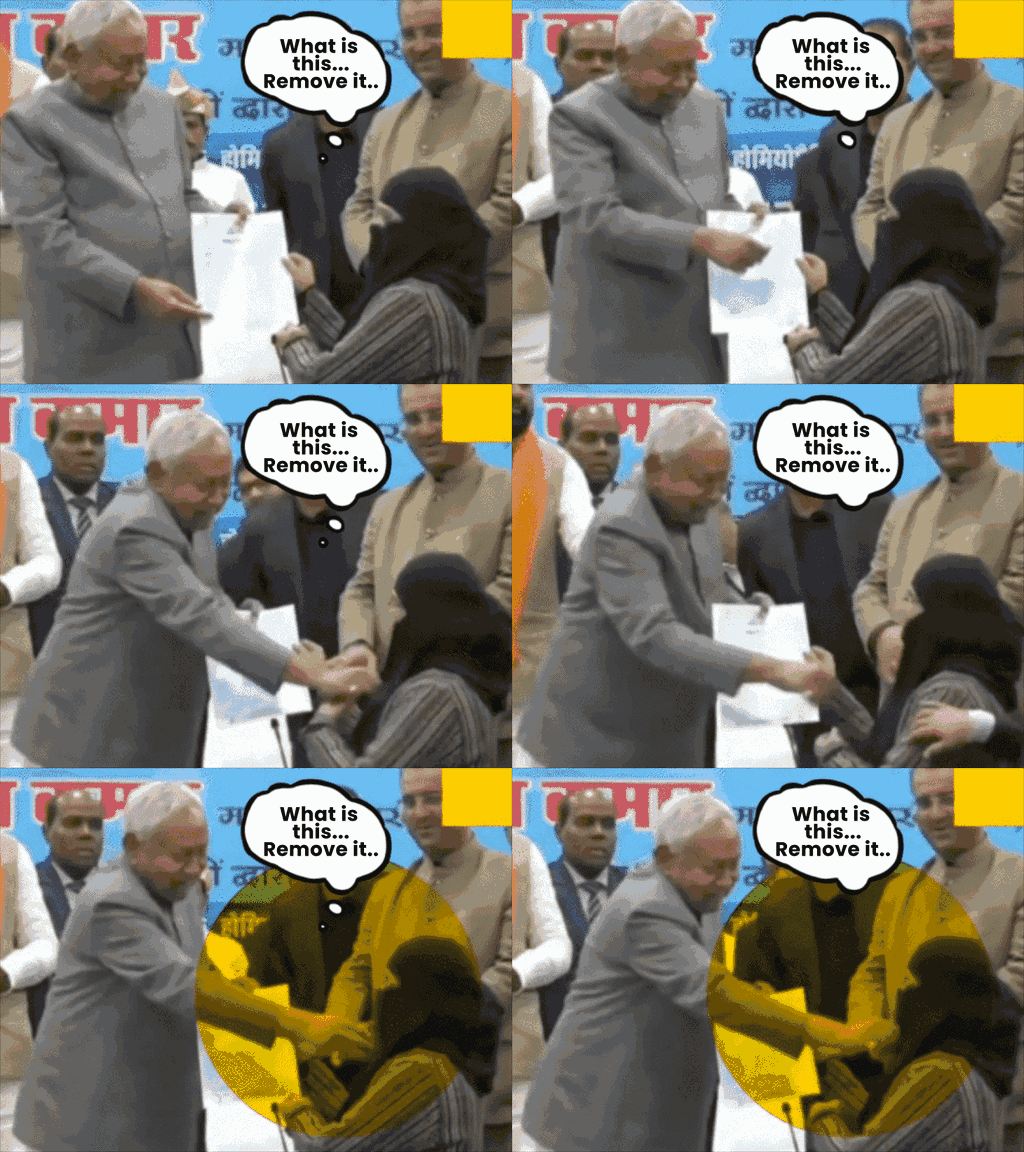
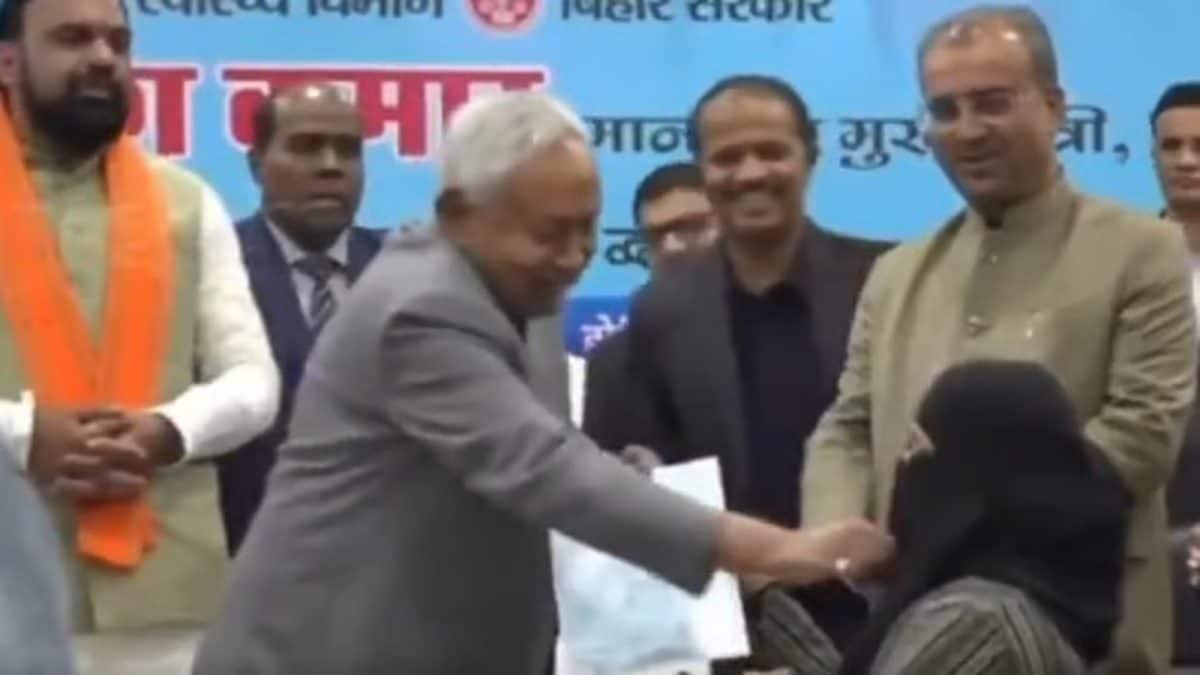
A video circulating online shows Bihar Chief Minister Nitish Kumar motioning for a woman to remove her hijab at a government event and then pulling it down, exposing her mouth and chin.
“A written complaint has been filed at Itki Police Station in Ranchi against Bihar Chief Minister Nitish Kumar over a viral video showing him removing the hijab of a woman during a government appointment ceremony.”
A written complaint was filed at Itki Police Station in Ranchi by social worker Md. Murtaza Alam seeking a police investigation into the act.

Critics say the incident violated the woman's dignity and bodily autonomy and have demanded accountability.
The footage identifies the woman as AYUSH doctor Nusrat Parveen, who reportedly left Bihar for Kolkata the next day and is described as deeply disturbed and uncertain about her professional future.
The incident has provoked widespread criticism from multiple quarters.
Reactions to controversial clip
Political reactions split sharply: opposition parties demanded accountability and even resignation. AIMIM staged protests and called for criminal charges. Ruling JD(U) leaders defended the chief minister, saying he meant no harm and acted like a 'father figure.'
Bihar Health Minister Mangal Pandey and other ruling figures defended the government's record on women's empowerment and minority protection but did not directly address the specific conduct in the clip. This left a gap between public outrage and the official response.
Public reactions to misconduct
Civil society figures and public personalities reacted strongly, with rights group Amnesty International calling the action an 'assault on the woman's dignity' and urging accountability. Cultural figures such as Javed Akhtar publicly demanded an unconditional apology and rejected charges of selective outrage.
“Akhtar condemned an incident ... saying power doesn't give anyone the right to violate boundaries and that @NitishKumar 'owes that woman an unconditional apology.'”
ETV Bharat recorded Akhtar saying 'power doesn't give anyone the right to violate boundaries' and that Nitish 'owes that woman an unconditional apology'. The coverage presents legal, moral and reputational arguments against the chief minister's behaviour.
Conflicting media reports
Reports about Nusrat Parveen's immediate aftermath differ: The New Indian Express says she left Bihar for Kolkata the next day and was reportedly deeply disturbed and uncertain about her professional future. Bhaskar English, by contrast, says she returned to Patna from Kolkata late at night and was expected to start duty soon, while Al Jazeera notes the chief minister has not responded and his party defended his record on protecting minorities. These differences illustrate gaps in follow-up reporting on the woman's whereabouts and in steps toward official accountability.
Complaint filing discrepancy
None of the provided sources say that PDP leader Iltija Mufti filed the police complaint; they consistently identify social worker Md. Murtaza Alam as the complainant.
“A complaint was filed in Ranchi by social worker Md. Murtaza Alam, calling the incident an attack on the woman’s dignity.”
TheWire.in’s snippet in the dataset indicates it did not supply an article here.
The user's headline names Iltija Mufti and the PDP as filing the complaint.
That specific claim is unsupported by the supplied sources and therefore remains unverified and likely incorrect based on the available material.