
Pedro Sánchez Urges EU To Break Association Agreement With Israel Over International Law Violations
Key Takeaways
- Sánchez seeks EU suspension of the EU-Israel association over international law violations.
- EU slowed the move, preferring measures on the table, including suspending commercial pact or sanctions.
- Proposal faces limited support ahead of EU foreign ministers' meeting.
Spain pushes EU break
Spanish Prime Minister Pedro Sánchez said Sunday that Spain will formally ask the European Union to break its Association Agreement with Israel, framing the move as a response to alleged violations of international law.
“The EU cools Sánchez's proposal to break the association agreement with Israel Kallas advocates for discussing pressure measures against Tel Aviv before measures that do not require unanimity, such as those of a commercial nature BrusselsPedro Sánchez does not stop pressuring the European Union to apply sanctions against Israel, but with rather moderate success”
Speaking at a campaign rally in Andalusia, Sánchez said: “A government that violates international law, and therefore violates the principles and values of the European Union, cannot be a partner of the EU. It’s that simple,” and added, “We are going to do it not because we have anything against the Israeli people, but because we do not agree with their government’s actions.”
He said the proposal will be raised at a meeting of EU foreign ministers in Luxembourg on Tuesday, and he also urged other EU countries to support Spain’s proposal.
Sánchez further argued that the war is “costing thousands of human lives, displacing millions of people and causing billions of euros in economic losses,” and he called on those who started the war to “stop the war and to put a stop to Netanyahu.”
In the same reporting, WION said Sánchez told a political rally in Andalusia that “On Tuesday, Spain's government will present a proposal to the EU that the European Union break off its association agreement with Israel,” and it quoted him alleging Israel “cannot be a partner of the European Union ... it's as simple as that”.
WION also stated that the association agreement signed between the European Union and Israel in June 2000 includes a provision mandating respect for human rights, and it said Spain’s decision to recognise a Palestinian state that same year angered Israel.
The Spanish push is also described by El Mundo as a proposal that Madrid would take “to Europe” to have the EU break its Association Agreement with Israel, with Sánchez saying the EU cannot partner with a government that violates international law and the EU’s principles and values.
Brussels slows the rupture
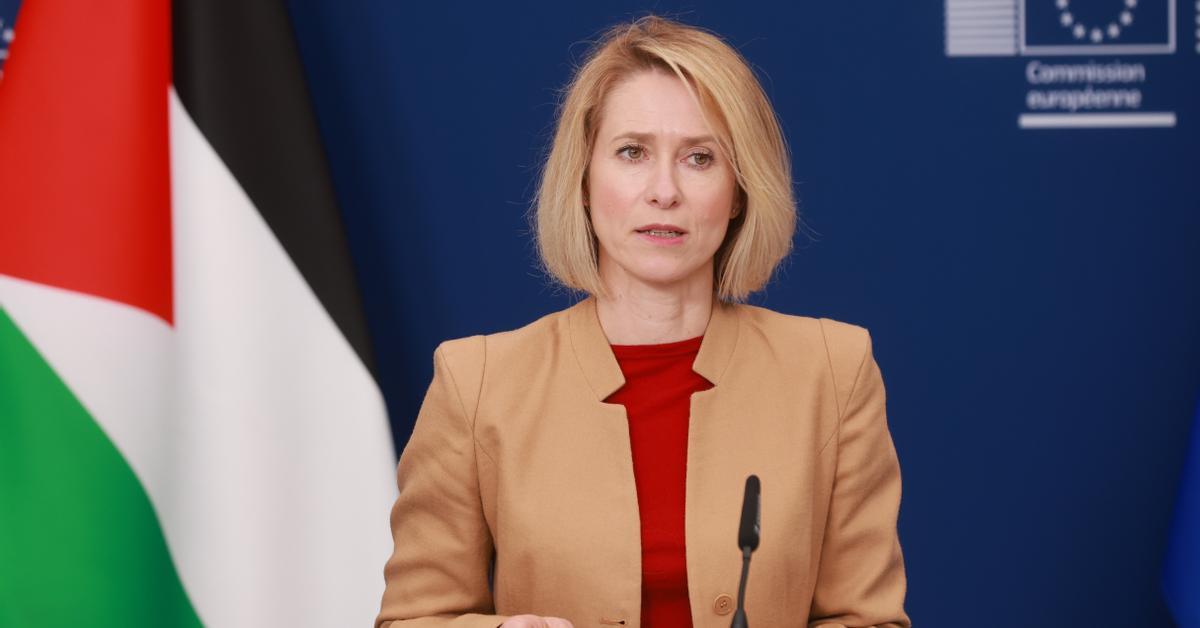
European Commission and EU foreign policy leadership signaled that a full break of the EU-Israel Association Agreement faces procedural and political hurdles, with Kaja Kallas arguing that the EU should first assess measures that can be advanced without unanimity.
El Mundo reported that the European Commission estimates “that now is not the time to pursue a total rupture of the EU-Israel Association Agreement,” and said it is preferable to address measures already on the table, including suspending the commercial part of the pact or applying sanctions to Israeli government ministers and to violent settlers.
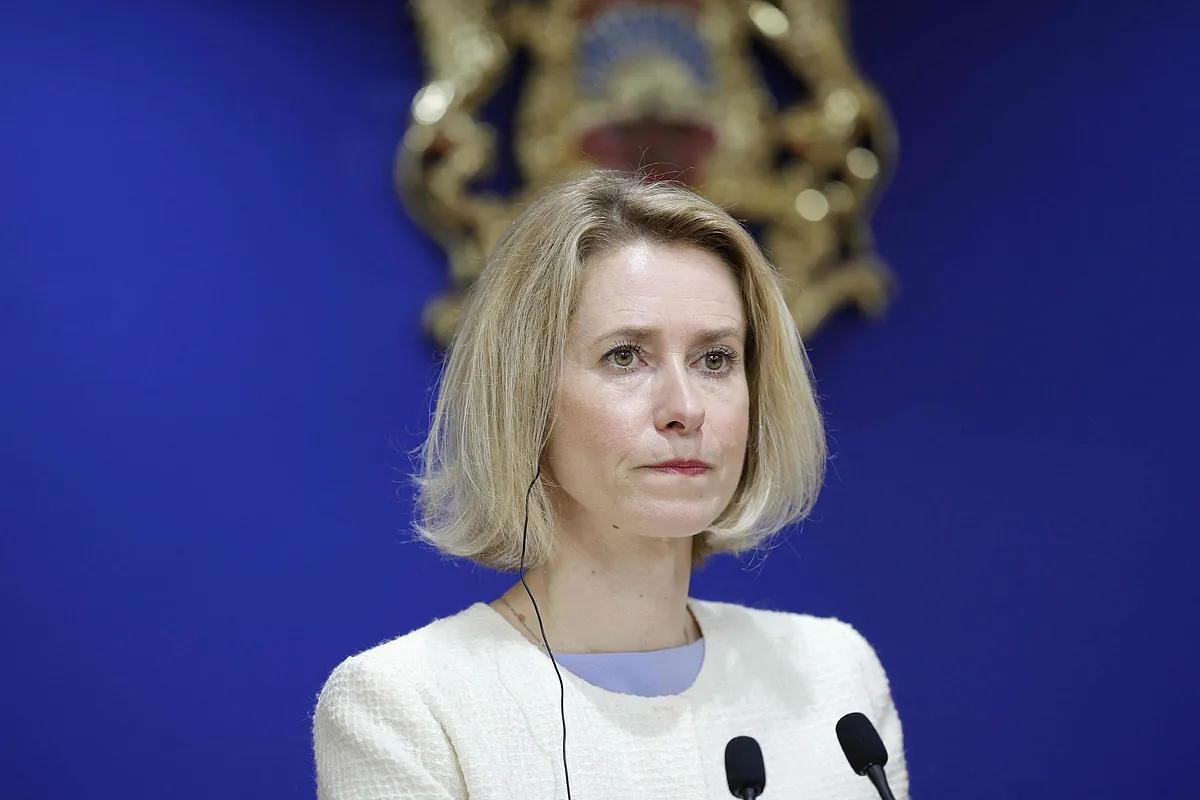
Kallas told reporters in Brussels that “The suspension of the Association Agreement,” requires “a unanimous position,” and she added, “we already have measures on the table, some of which require a qualified majority.”
She said, “first, I think we should assess whether it would be possible to move forward with those measures, if the Member States are willing to do so, to pressure Israel,” linking the approach to the Spanish proposal.
Diari ARA similarly described the EU as cooling Sánchez’s plan, saying Kallas recalled that Spain’s request is a measure that requires unanimity among member states and that “before "other measures to pressure Israel should be evaluated" that can be approved by qualified majority.”
Euronews reported that Sánchez’s call “lacks support ahead of ministerial meeting,” and it quoted Kallas saying the total suspension requires “unified position” among the countries.
Euronews also said “there is no broad consensus among the member states” to suspend the agreement, citing a diplomat, and it noted that Germany and Italy have opposed the initiative in the past.
Human rights pressure mounts
Alongside Spain’s diplomatic push, European Left Alliance and rights groups urged ministers to suspend the agreement and to use political and economic leverage ahead of the Foreign Affairs Council meeting in Luxembourg.
“Sánchez’s call to suspend the EU association agreement with Israel lacks support ahead of ministerial meeting”
The Express Tribune reported that the European Left Alliance on Monday called on EU foreign ministers to immediately suspend the EU-Israel Association Agreement, saying a citizens’ initiative demanding action on Palestine had collected more than 1 million signatures.
It said the alliance’s joint statement ahead of the Foreign Affairs Council meeting in Luxembourg on Tuesday stated that the European Citizens’ Initiative Justice for Palestine had exceeded the required threshold in less than three months, and it said the initiative also passed the national signature threshold in 11 EU member states.
The Express Tribune quoted the alliance saying, “This is the loudest democratic mandate the European Union has received on its foreign policy in years, and it leaves the Foreign Affairs Council with no excuse to delay any longer,” and it accused Israel of continuing “to wage a genocide in Gaza,” intensifying “illegal annexation in the West Bank and East Jerusalem,” and carrying out strikes on Lebanon.
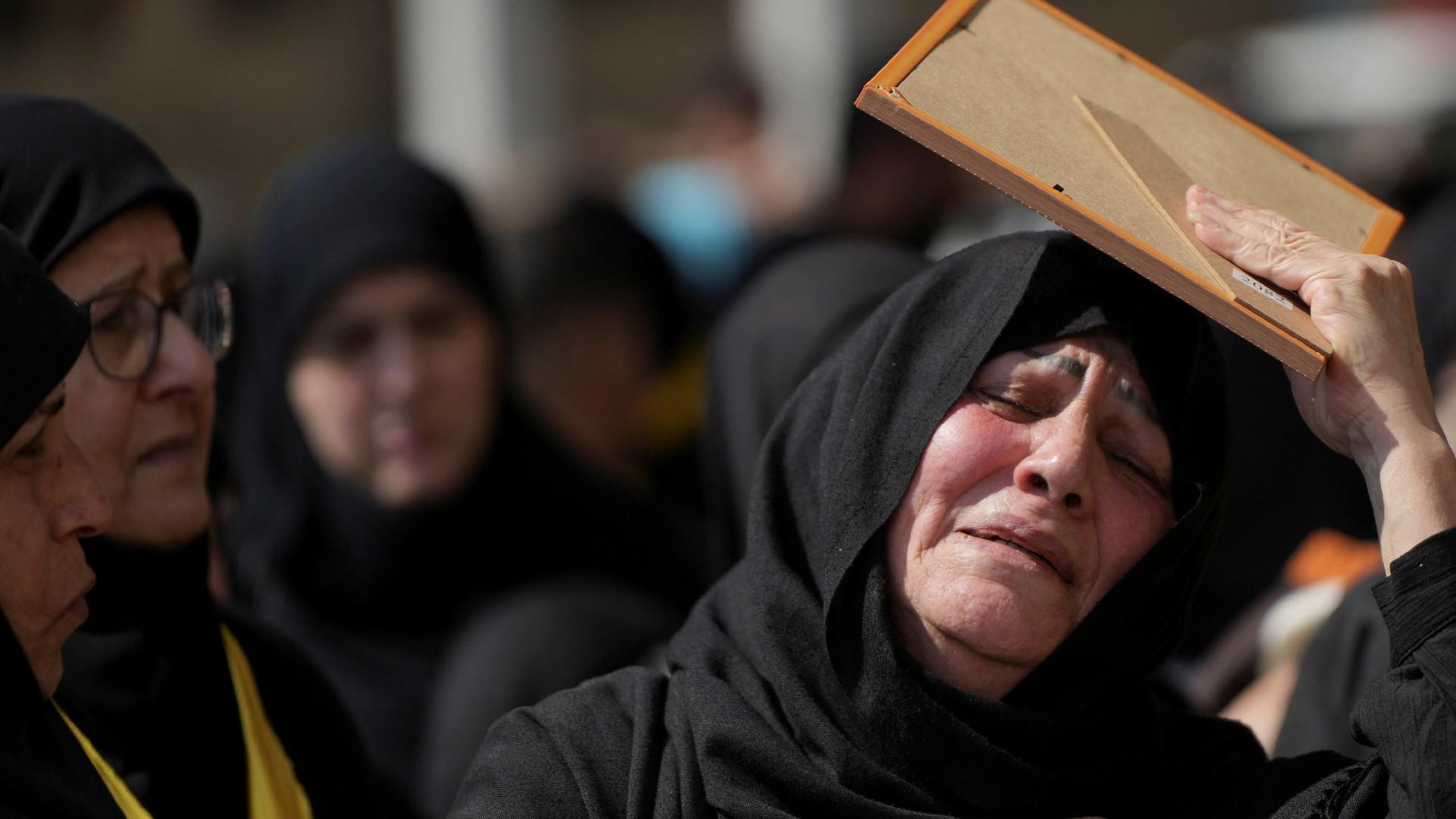
In parallel, the Express Tribune described an online press conference hosted by Human Rights Watch’s Brussels office where Sarah Nasrallah called the situation in southern Lebanon “humanitarian catastrophe” and said: “What we see in Lebanon today isn't just a humanitarian catastrophe, it is the physical erasure of a nation's geography and the systematic dismantling of the international legal order.”
Nasrallah urged the EU to impose an arms embargo on Israel and said, “Aid is not a substitute for justice,” adding, “Continued inaction has normalized these practices. Silence today is an investment in further escalation tomorrow.”
The same report quoted Claudio Francavilla of Human Rights Watch saying, “This is not a crisis of knowledge. It's a crisis of political will,” and it quoted Tom Gibson of the Committee to Protect Journalists saying Israel in 2024 was responsible for “nearly 70%” of killings worldwide.
Divergent framing across outlets
While El Mundo and Euronews described a slowdown or lack of support for a full suspension, other outlets emphasized the push for action and the legal and political arguments behind it.
El Mundo framed the European Commission’s position as preferring measures “already on the table,” and it quoted Kaja Kallas saying the suspension requires “a unanimous position” while other measures “require a qualified majority.”
Euronews similarly described the Spanish call as set to fail, reporting that “Sánchez’s call to suspend the EU association agreement with Israel lacks support ahead of ministerial meeting,” and it said “there is no broad consensus among the member states” to suspend the agreement.
Diari ARA echoed the same procedural emphasis, saying Kallas recalled that Spain’s request requires unanimity and that other measures that can be approved by qualified majority have “not obtained sufficient support so far.”
By contrast, Middle East Monitor and WION foregrounded Sánchez’s rhetoric and the immediate plan to ask the EU to break the agreement, with Middle East Monitor quoting Sánchez at a campaign rally that “We are going to do it not because we have anything against the Israeli people, but because we do not agree with their government’s actions.”
WION presented Netanyahu’s response as “hypocrisy and hostility,” quoting Netanyahu: “I am not prepared to tolerate this hypocrisy and hostility. I will not allow any country to conduct a diplomatic war against us without facing an immediate price,” and it described Spain’s allegations of “infringement of international law.”
MurciaEconomía added additional detail about the bilateral deterioration, stating that on April 10 Israel excluded Spain from the Civilian-Military Coordination Center for Gaza over alleged “anti-Israel bias,” and it said a month earlier Spain dismissed the ambassador to Israel, Ana María Salomón Pérez.
What happens next
The next steps described by the sources center on the Foreign Affairs Council meeting and the possibility of pursuing measures short of a total suspension, alongside the question of how member states will vote on qualified-majority trade steps and unanimity-based sanctions.
“Creating new perspectives since 2009 April 20, 2026 at 9:07 am Spanish Prime Minister Pedro Sanchez gives a speech in the Spanish capital Madrid on March 04, 2026”
El Mundo said Kaja Kallas spoke during a press conference in Brussels “this Monday” about the Spanish proposal, and it reported that Foreign Minister José Manuel Albares would be responsible for presenting the proposal “tomorrow in Luxembourg, where the EU's Foreign Affairs Council is meeting.”

It also quoted Albares calling on the EU to “step forward” and break the agreement with Israel for “flagrantly violating human rights,” while Kallas argued for assessing pressure measures that can be advanced.
Euronews reported that countries including Germany, Hungary, and the Czech Republic have opposed trade restrictions that would involve an increase in tariffs, preventing a qualified majority needed to adopt trade restrictions, and it said Hungary is key to sanctions against Israeli violent settlers.
Euronews also said “Settler crimes need to be punished,” and it quoted Kallas telling reporters on Monday: “This country had the elections and will have a new government. I will not speak for the new government, but definitely I think we can look into all these policies and see whether they have a new approach,” adding “Settler crimes need to be punished.”
Diari ARA provided the voting mechanics, stating that qualified majority is reached with the support of 55% of the 27 member states representing at least 65% of the population, and it described how member states such as Germany or Italy have shown themselves contrary to applying trade restrictions that would increase tariffs.
MurciaEconomía described the legal basis in Article 2 of the treaty governing the EU-Israel relationship, saying it states the association is based on respect for human rights and democratic principles and that this commitment constitutes an “essential element” of the pact.
More on Europe

European Court Of Justice Strikes Down Hungary’s 2021 Anti-LGBTQ Law For Breaching EU Values
21 sources compared

Rumen Radev’s Progressive Bulgaria Wins Bulgaria Snap Election, Securing Majority in 240-Seat Parliament
13 sources compared
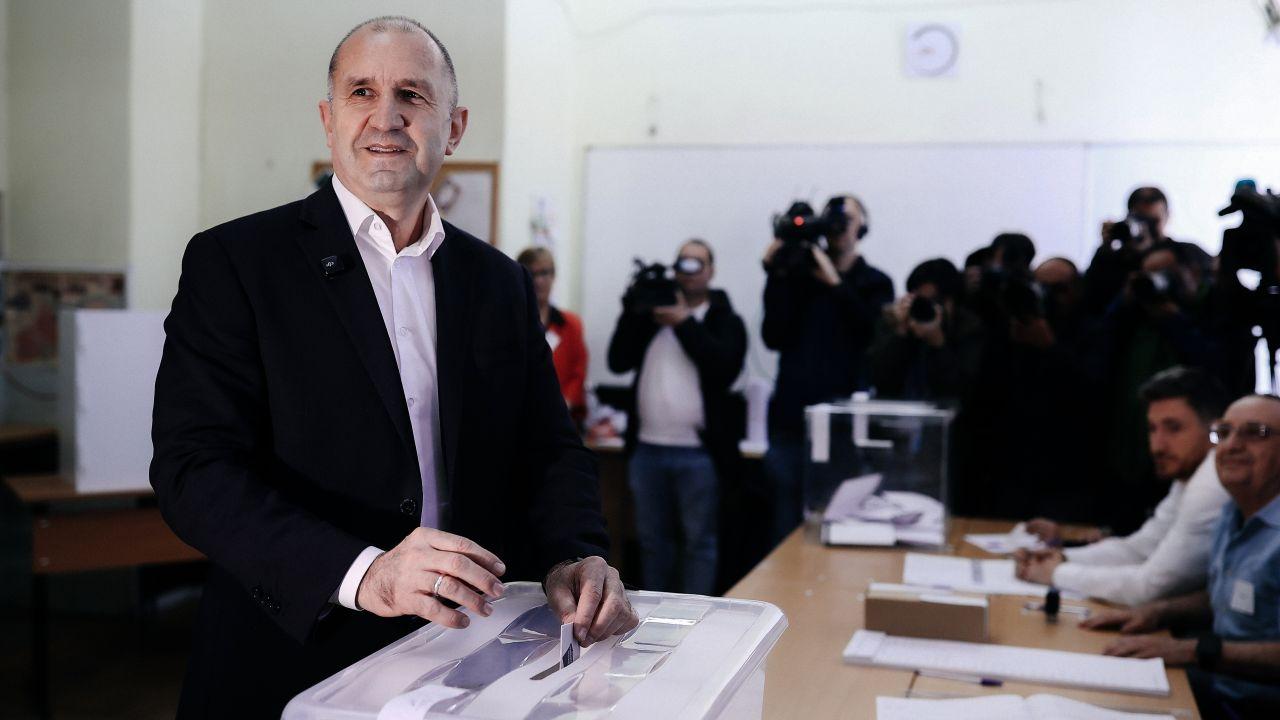
Rumen Radev’s Progressive Bulgaria Wins Bulgaria Parliamentary Election in Landslide
32 sources compared

Iran-Linked Group Ashab Al-Yamin Claims Arson Attack on Kenton United Synagogue in London
20 sources compared