
Pentagon Announces 'Most Intense' Series of Attacks on Iran After More Than 1,300 Dead
Key Takeaways
- Pentagon announces an intensified series of attacks against Iran
- Iran reports over 1,300 dead after ten days of war
- Trump urges removal of alleged Iranian mines; Netanyahu disputes Trump's imminent end claim
Overview of escalation
The Il Sole 24 ORE report says the Pentagon announced what it called the 'most intense' series of attacks on Iran on the tenth day of the war, as Iran’s official death toll surpassed 1,300, marking a dramatic escalation in hostilities in the region.
“Live Hormuz, the yellow of the escorted oil tanker causes crude oil to plummet”
The article frames the situation as a rapidly intensifying conflict with significant casualties and states that US forces characterized recent operations as unusually severe.
It also notes an international political reaction to the fighting, with statements from leaders and continued military actions across multiple fronts.
Israeli strikes inside Iran
Il Sole 24 ORE reports that Israeli forces struck critical Iranian military and security sites inside Iran, citing the Times of Israel for details that include hits on command centres in Tehran and Tabriz.
Targets reported include a special forces headquarters, a Pasdaran compound, a security unit responsible for ballistic missiles, an Iranian security police agency headquarters and a Basij compound.
The article relays that the Israeli military described these strikes as part of a 'new phase' aimed at intensifying blows to what it calls the foundations of the Iranian 'terrorist regime.'
US diplomatic intervention
The article cites Axios reporting that the United States has privately asked Israel to stop attacks on Iran’s energy infrastructure, transmitting the request to a high-level Israeli politician and to IDF Chief of Staff Eyal Zamir.
“Live Hormuz, the yellow of the escorted oil tanker causes crude oil to plummet”
Il Sole 24 ORE summarises Axios’s reported rationale: Washington is concerned about the humanitarian impact on the Iranian population, the potential for broader retaliatory strikes across Gulf energy infrastructure, and a post-conflict interest in cooperating with Iran’s oil sector.
The article frames this as a US diplomatic effort to limit damage to civilian infrastructure and to reduce the risk of wider regional economic disruption.
Regional and political fallout
The Il Sole 24 ORE piece also highlights the broader regional and political fallout: raids continue in the Gulf and Israeli strikes persist in Lebanon.
Turkey has deployed Patriot missiles, and an operation to defend ships in the Strait of Hormuz has begun, drawing reactions from European political leaders.
The article notes that British and European parliamentary actions are under consideration and quotes Italian President Mattarella warning against authoritarian regression amid wartime measures.
Warnings and rhetoric
Rhetoric from leaders on all sides underscores the risks of further escalation and retaliatory cycles.
“Live Hormuz, the yellow of the escorted oil tanker causes crude oil to plummet”
Il Sole 24 ORE reproduces Trump's social post warning Iran to remove mines from the Strait of Hormuz or face 'unprecedented' military consequences.
The article also reports Tehran's stark warning that Trump should 'be careful that you are not eliminated,' conveying the prospect of further intensification and unpredictable regional spillover.
More on Iran
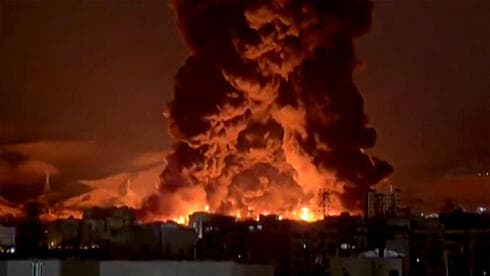
US obliterates military targets on Iran’s Kharg Island, Trump warns
13 sources compared
US Deploys About 2,500 Marines to Middle East After Iran Attacks Gulf Shipping
33 sources compared
FBI Warns of Iranian Drone Plot Based on Unverified Tip; California Says No Credible Threat
10 sources compared

White House Demands ABC Retract Report Claiming Iran Sought To Launch Drone Attacks On California
11 sources compared