Pentagon Blacklists Anthropic, Threatens Contract Revocation Unless It Grants Department of Defense Full Access
Key Takeaways
- Pentagon designated Anthropic a supply-chain risk and effectively blacklisted the company
- Peter Hegseth demanded Anthropic grant full DoD access or face government contract revocation
- Experts warn the supply-chain designation could chill AI innovation and pressure tech firms
Pentagon Anthropic dispute
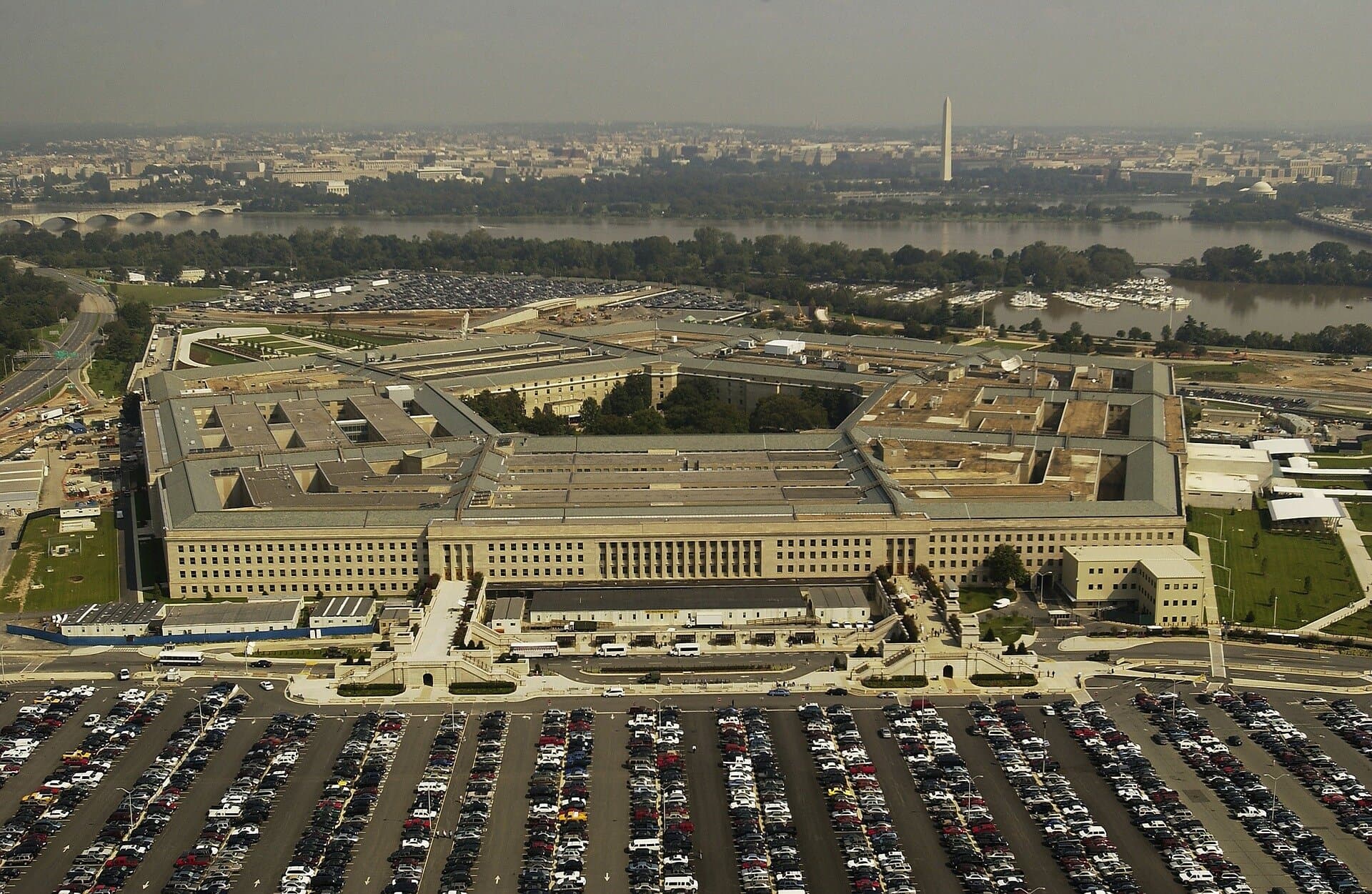
About ten days ago the Pentagon effectively blacklisted AI startup Anthropic after Defense Secretary Peter Hegseth gave the company an ultimatum.
“To understand this whole affair, you have to go back a few weeks”
Hegseth demanded Anthropic grant the Department of Defense full access to its technology (within lawful bounds) or lose its government contract and be barred from administration use.

The action followed a weeks‑long dispute between Anthropic (maker of the Claude chatbot) and the U.S. Department of Defense over how the company’s AI may be used in military contexts.
The DoD has refused Anthropic’s insistence that its models not be used for fully autonomous weapons or mass domestic surveillance.
The decision has been framed by outlets as an unprecedented supply‑chain designation against a U.S. AI firm and part of a broader escalation between the administration and parts of the tech industry.
Anthropic-Pentagon standoff
Central to the standoff are the "red lines" Anthropic's leadership set: the company forbids its technology from powering autonomous weapons or mass surveillance in the United States.
Anthropic's CEO Dario Amodei explicitly framed those two limits as non-negotiable, arguing that mass surveillance would violate democratic values and that current frontier models aren't reliable enough for autonomous weapons.
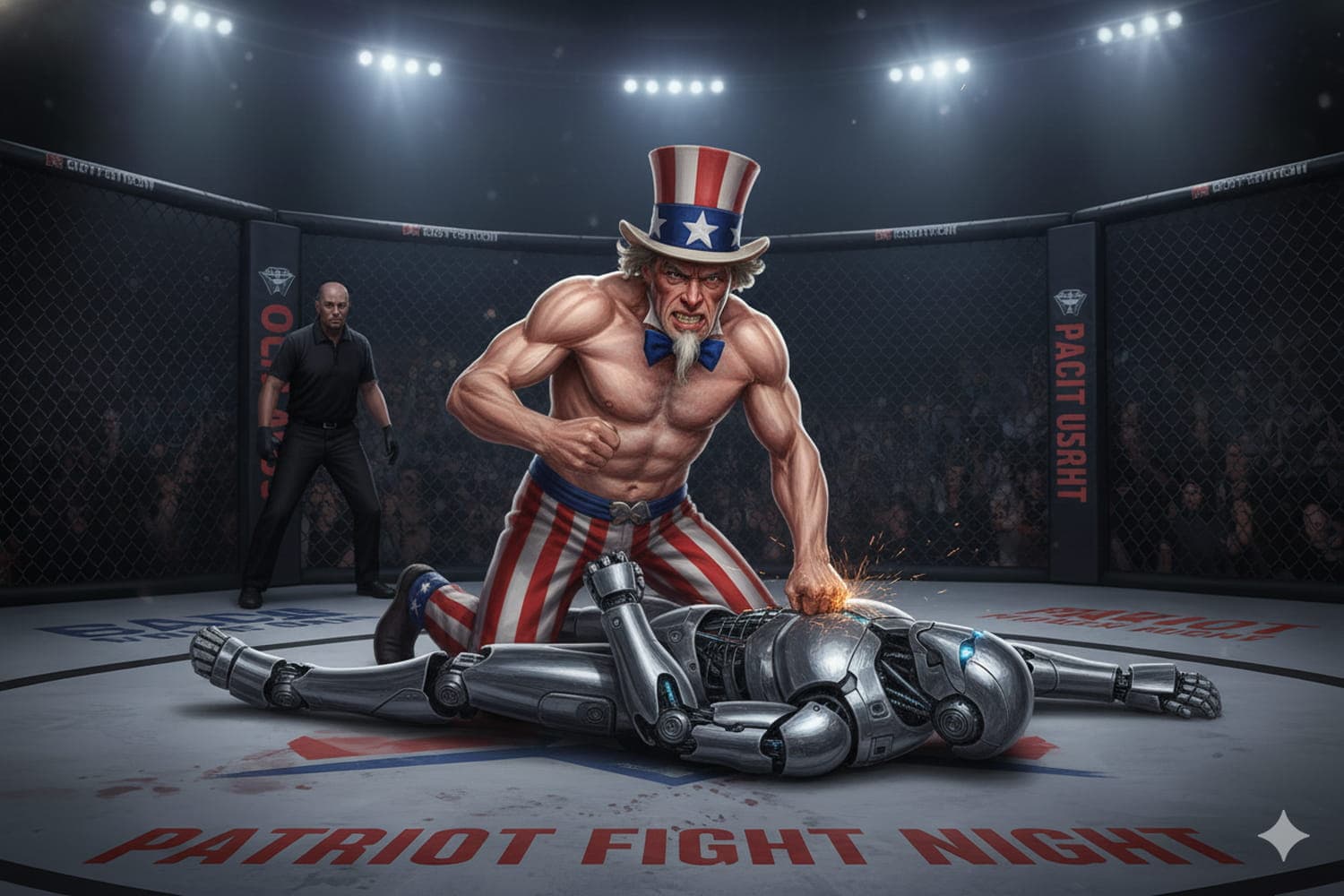
The Pentagon, by contrast, has sought a broader commitment that would allow any use legally authorized by the government, creating the core policy impasse.
U.S. actions on Anthropic
After talks stalled, the administration moved from pressure to prohibition when President Trump ordered federal agencies to drop Anthropic's tools within six months.
“Anthropic supply chain risk designation could chill innovation, experts say The Pentagon's designation of the industry-leading AI company Anthropic as a "supply chain risk" suggests that the U”
Defense Secretary Pete Hegseth proposed designating the startup a 'supply chain risk,' a label that would require all Pentagon contractors to remove Anthropic products.
The DoD's labeling has also included barring U.S. government branches from using Anthropic's Claude chatbot and related workplace products, actions outlets describe as unprecedented for an American firm and evocative of past measures used against foreign companies like Huawei.
Pentagon designation pushback
The designation and the tactics used by the Pentagon have prompted immediate legal and industry pushback.
Anthropic says the designation only affects Defense contracts and plans to sue.
Critics warn that applying the supply-chain label to a U.S. firm risks chilling safety and ethics measures, damaging innovation, and harming business relationships.
The DoD had also earlier threatened to invoke the Defense Production Act as leverage, underscoring the high stakes and legal exposure around access and procurement rules.
U.S. AI governance tensions
Observers note the move also highlights broader tensions in U.S. AI governance and industry-government relations.
“The Pentagon has blacklisted the AI startup”
Hours after talks collapsed, OpenAI signed its own DoD contract, which its CEO later called "sloppy".
Commentators frame the episode as part of a widening rift between the Trump administration and parts of the tech industry.
The incident underscores competing priorities — national security access versus corporate safety commitments — and the risk that procurement pressure could reshape how AI companies set ethical boundaries.
More on Technology and Science
Chemical odor forces FAA to halt flights across DC-area airports
27 sources compared

Apple Cuts China App Store Commissions to 25% After Regulator Pressure
25 sources compared

FBI Investigates Hacker Who Uploaded Malware-Laced Games to Steam
12 sources compared

University of Cambridge Researchers Urge Tighter Regulation Of AI Talking Toys For Under-Fives
10 sources compared