
Pentagon Cut Civilian Safeguards Before Iran War
Key Takeaways
- Advisers sought to remove constraints on how the U.S. military fights before President Trump's return
- Pete Hegseth, tapped to lead the Pentagon, long called policies "weak" and "woke"
- Advisers judged those constraints unnecessary and hindering battlefield victory
Institutional safeguards established
Pentagon officials and military personnel had, over years, built procedures and institutions aimed at reducing civilian harm in strikes and expressed frustration when those precautions failed.
“Even before President Trump returned to office, his advisers sought to remove what they saw as unnecessary constraints on the way the American military fights”
The practices reflected an institutional desire to avoid unnecessary bloodshed even as operations grew more complex and hazardous.
Practical protections detailed
Those safeguards included concrete steps — calculating a strike’s expected blast radius, estimating collateral damage, and a practice called “shift cold” to abort strikes in final seconds.
Institutional innovations included a center of excellence, a military-wide policy on protecting civilians, civilian-environment teams advising planners, and personnel embedded in targeting cells to improve precision.
Internal tensions and changes
Despite the safeguards, there was persistent internal tension: some commanders saw rules as overly restrictive and sought broader target categories and greater latitude.
“Even before President Trump returned to office, his advisers sought to remove what they saw as unnecessary constraints on the way the American military fights”
Commanders pushed to include economic targets and accept more civilian casualties, while the Pentagon hired insiders to run harm-reduction efforts to make the system operationally credible.
Trump era reversals
President Trump had at times shown restraint on civilian harm—claiming in 2019 he called off a retaliatory strike on Iran to avoid killing some 150 Iranian officials.
After his return to office in 2025 his new advisers ordered the dismantling of the safeguards apparatus even as some Pentagon officials believed the system could endure.
Program cuts and reactions
The dismantling included cancelling a multimillion-dollar database of errant strikes.
“Even before President Trump returned to office, his advisers sought to remove what they saw as unnecessary constraints on the way the American military fights”
It also closed a State Department initiative tracking civilian deaths caused by U.S.-provided weapons to allies and repealed a White House weapons-transfer policy that emphasized human rights.
Observers were split: some found these moves alarming, while not everyone was upset.
More on Iran
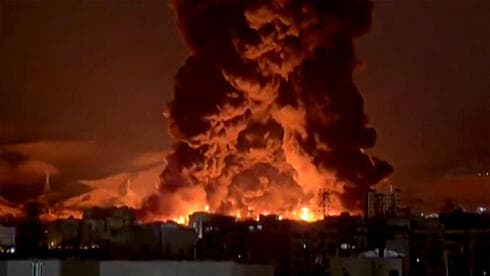
US obliterates military targets on Iran’s Kharg Island, Trump warns
13 sources compared

US Deploys About 2,500 Marines to Middle East After Iran Attacks Gulf Shipping
33 sources compared
FBI Warns of Iranian Drone Plot Based on Unverified Tip; California Says No Credible Threat
10 sources compared

White House Demands ABC Retract Report Claiming Iran Sought To Launch Drone Attacks On California
11 sources compared