Pentagon Labels Anthropic a Supply Chain Risk, Threatening to Bar Agencies From Using Claude
Key Takeaways
- Pentagon designated Anthropic a supply-chain risk, potentially forcing agencies and contractors to stop using Claude
- Designation followed Anthropic's refusal to lift restrictions allowing military or autonomous targeting uses
- Anthropic will challenge the designation in court; tech groups warned it could chill innovation
Pentagon labels Anthropic risk
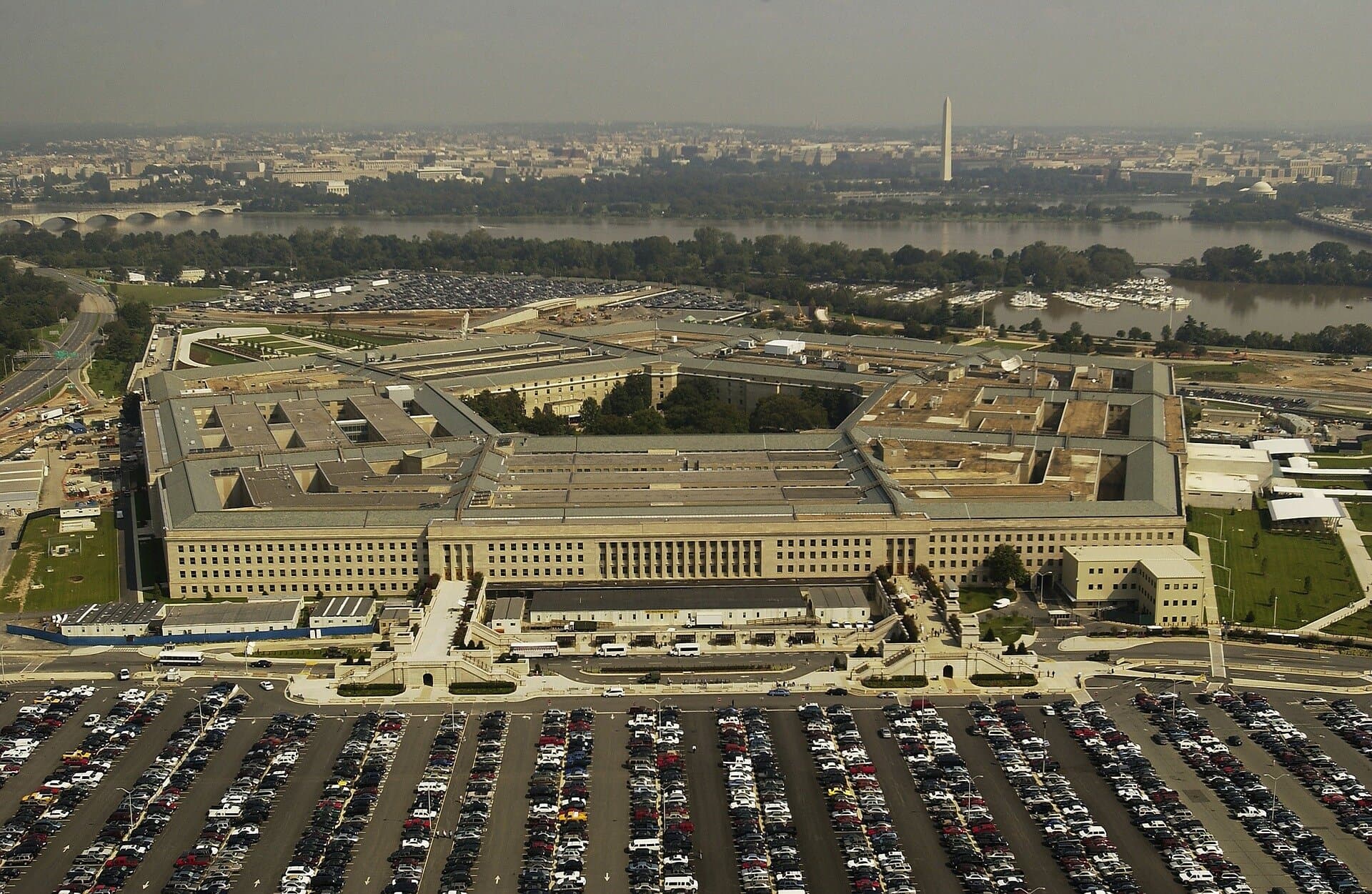
The Pentagon has designated AI company Anthropic and its chatbot Claude as a "supply chain risk."
“Advertisement The relationship between the United States Department of War and one of the most influential companies in the artificial intelligence sector has fallen apart”
Sources describe the action as immediate and extraordinary, and they say the precise scope is contested.

NPR reported the designation as effective immediately and potentially forcing contractors to stop using Claude.
Tech Xplore called it "an unprecedented move against a U.S. AI firm."
Invezz highlighted that Anthropic was the first U.S. firm given this designation and noted the label previously targeted foreign firms like Huawei.
Anthropic-DoD usage dispute
The designation stems from a clash over usage restrictions: Anthropic sought guarantees its models not be used for domestic mass surveillance or fully autonomous weapons, while the DoD insisted vendors cannot restrict the military's lawful use of technology.
Tech Xplore described Anthropic's two "red lines" on surveillance and autonomous weapons and said the DoD "says it may use any model for any 'lawful' purpose".

Invezz summarized the dispute as centered on those usage restrictions, and NPR said the Pentagon warned vendors they cannot restrict military use of critical technology.
Designation and partnership impact
Anthropic said it will legally challenge the designation, arguing it is legally unsound.
“An influential group from the U”
The label immediately threatens existing government work and partnerships.
NPR recorded Amodei calling the action legally unsound and saying Anthropic will challenge it in court.
Invezz reported Anthropic "said it will sue" and that the designation jeopardizes a $200 million DoD contract.
Journal du Geek noted investors and the CEO have been contacting partners to calm concerns.
Microsoft said it can continue working with Anthropic on non‑defense projects.
Concerns over emergency designation
Industry groups and critics warn the designation could chill safety and ethics measures, harm innovation, and create unintended supply problems by using a rule meant for foreign adversaries against a domestic company.
Tech Xplore quoted critics saying the label "risks chilling safety and ethics measures, damaging innovation, and harming Anthropic's business relationships."

Journal du Geek relayed ITI's warning that using an "emergency" designation reserved for foreign adversaries could make it harder for federal agencies to access leading American technologies.
NPR noted the move drew criticism because the supply-chain rule was originally intended to address threats from foreign adversaries.
Defense AI competition and governance
Observers say the designation reshapes the competitive landscape for defense AI contracts and underscores tensions between industry and government over governance.
“Pentagon labels AI company Anthropic a supply chain risk The Trump administration is following through with its threat to designate artificial intelligence company Anthropic as a supply chain risk in an unprecedented move that could force other government contractors to stop using the AI chatbot Claude”
Invezz noted the move has intensified competition for defense AI contracts and said OpenAI reached a Pentagon deal soon after.
Tech Xplore pointed to OpenAI’s separate DoD deal and the DoD’s earlier threat to invoke the Defense Production Act.
NPR relayed that President Donald Trump and Defense Secretary Pete Hegseth publicly warned Anthropic before the action, with Trump giving the military six months to phase out Claude.
More on Technology and Science
Chemical odor forces FAA to halt flights across DC-area airports
27 sources compared

Apple Cuts China App Store Commissions to 25% After Regulator Pressure
25 sources compared

FBI Investigates Hacker Who Uploaded Malware-Laced Games to Steam
12 sources compared

University of Cambridge Researchers Urge Tighter Regulation Of AI Talking Toys For Under-Fives
10 sources compared