USA24 November, 20252 min read
Pentagon Opens Investigation and Threatens to Recall Sen. Mark Kelly After He Urges Troops to Defy Illegal Orders
This article is an automated aggregation of coverage from news outlets. Our editorials offer in-depth analysis curated by the NewsCord team.
Pentagon opened a review into Sen. Mark Kelly for participating in 'refuse illegal orders' video Pentagon said Kelly could be recalled to active duty for court-martial or administrative punishment

23 outlets told this the same way.
Outlets did split on Trump Interrupted by Protesters at San Antonio Rally for Ken Paxton →
Pentagon review of Mark Kelly
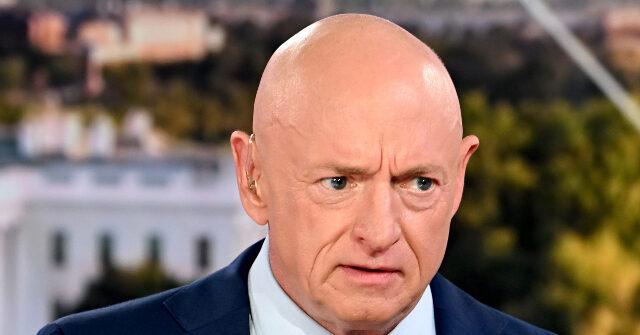
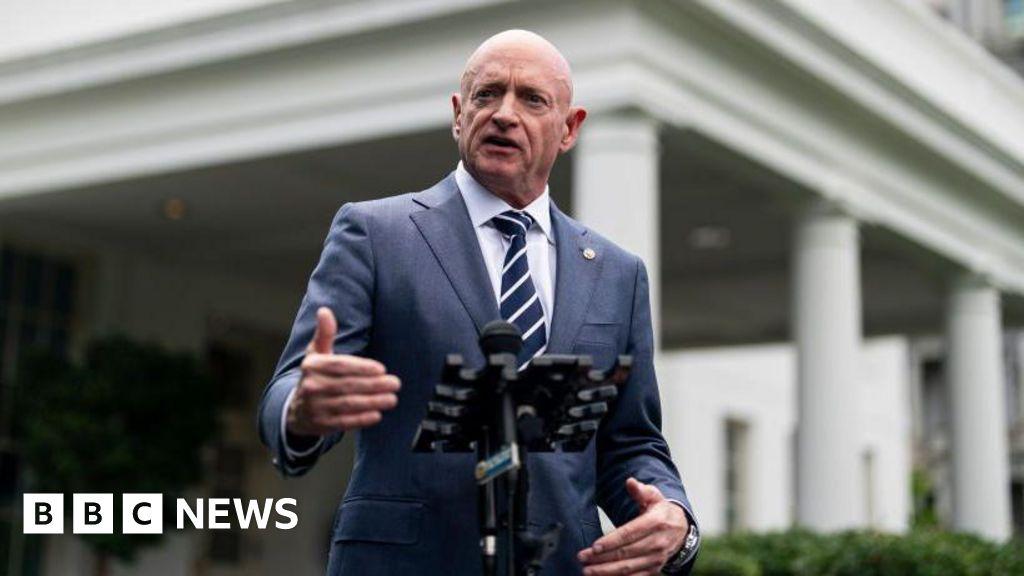
The Pentagon has opened a formal review into retired Navy commander and Arizona Sen. Mark Kelly after he appeared in a video with five other current or former military and intelligence officials urging service members that they "can" or "must" refuse unlawful orders.
“The Pentagon opened a review after a video by six Democratic lawmakers — dubbed the ‘Seditious Six’ — urged service members to question or refuse certain orders.”
Defense officials framed the action as a probe under the Uniform Code of Military Justice (UCMJ).

They said the remarks could have harmed "loyalty, morale, or good order and discipline".
Officials pointed to statutes that allow retirees to be recalled and potentially face court-martial or administrative measures.
The review is the immediate result of the lawmakers' video and the Defense Department's public post signaling "serious allegations of misconduct" that warrant further inquiry.
Military review of retired officer
Officials cited specific legal authorities and the UCMJ to explain why a retired officer like Kelly can be the subject of a military review. The Defense Department referenced statutes such as 10 U.S.C. § 688 that allow the recall of retirees to active duty in limited circumstances.
Spokespeople emphasized that service members are bound by the UCMJ and must obey lawful orders, and that claiming an order was illegal is not a lawful defense for disobeying otherwise valid orders. Officials and reporting noted possible outcomes, including recall, administrative punishment, or court-martial, if the review found grounds for charges.

Responses to Pentagon review
Sen. Kelly and his allies responded sharply, framing the Pentagon’s action and President Trump’s social-media attacks as intimidation.
“Kelly, a former Navy officer, defended his remarks and said he has upheld his oath to the Constitution throughout his career and will not be intimidated from holding the administration accountable.”
Kelly said he learned of the review from social posts, defended his 25 years of service and his oath to the Constitution, and vowed not to be silenced.
Colleagues and other Democrats criticized President Trump’s language and expressed support for the lawmakers in the video.
Pentagon officials, by contrast, emphasized that personal philosophy cannot excuse disobeying otherwise lawful orders and warned of the need to protect discipline in the uniformed ranks.
Responses to lawmakers' video
The reaction from the White House and former President Trump injected sharp political rhetoric into the episode. Trump used social media to call the lawmakers 'SEDITIOUS BEHAVIOR, punishable by DEATH!' and reposted calls to 'HANG THEM,' language that multiple outlets reported and that prompted condemnations from Democrats.
The White House later said Trump did not actually want lawmakers executed. Defense Secretary Pete Hegseth and other Pentagon figures publicly condemned the lawmakers' video as undermining military discipline and called the clip reckless.
Legality of military orders
Legal experts and analysts quoted across outlets offered a cautious, mixed view. They said telling service members that illegal orders need not be followed is legally accurate, but taking disciplinary action against a retired officer is unusual and could raise constitutional and jurisdictional questions.
“Legal experts say advising service members that illegal orders need not be followed is legally accurate and unlikely to constitute misconduct.”
Several outlets observed that while service members have an obligation to refuse unlawful orders in principle, rank-and-file troops often rely on superiors or legal advisers to sort ambiguous situations. Pentagon officials stressed the importance of preserving order and the presumption that orders are lawful absent a clear illegality.