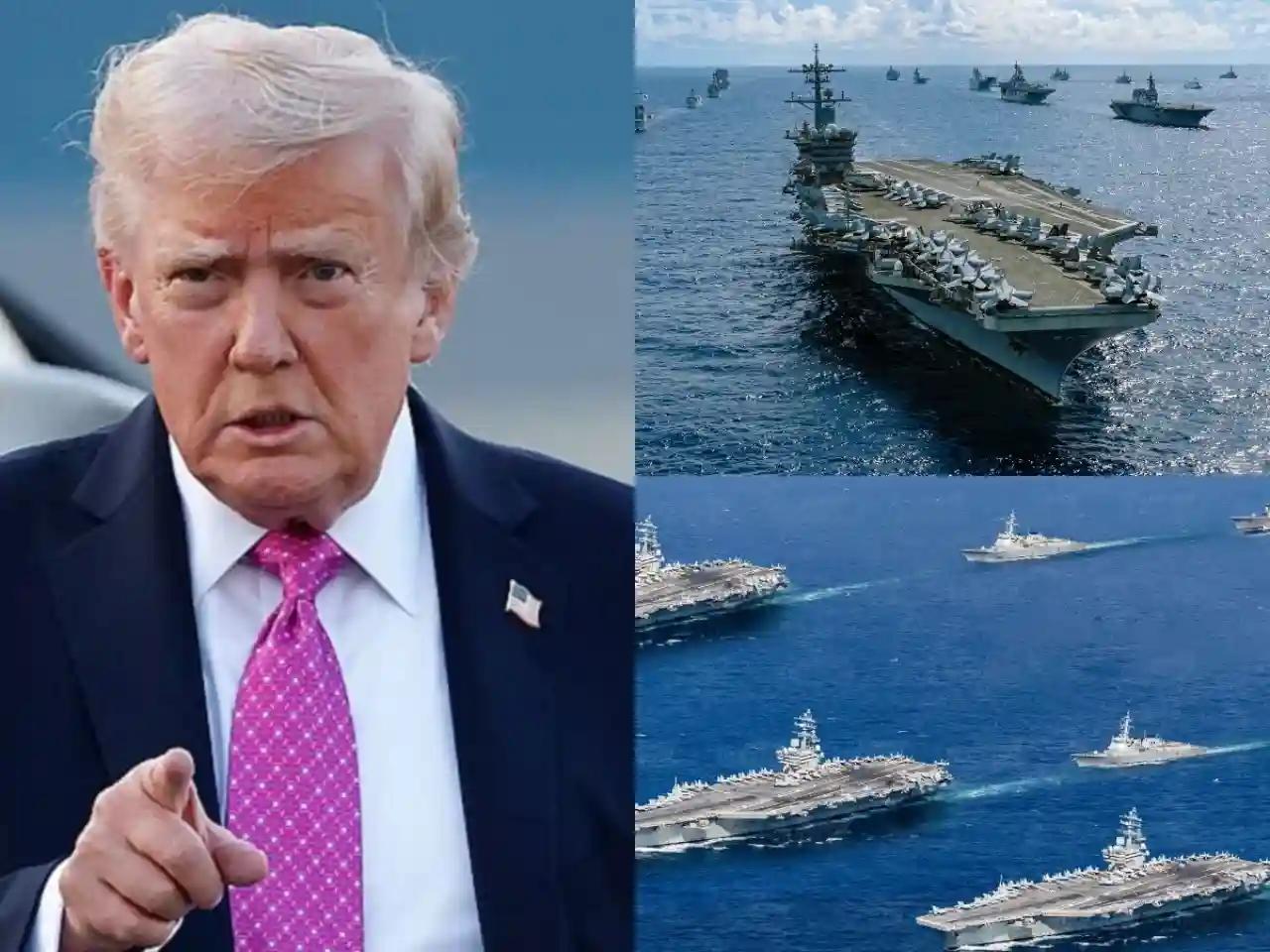
Hegseth Defends Trump’s $1.5 Trillion Fiscal 2027 Budget as Iran War Costs Near $29 Billion
Key Takeaways
- Hegseth defends a $1.5 trillion defense budget for 2027 before Congress.
- Iran war costs around $25 to $29 billion, per Pentagon and outlets.
- Ceasefire reportedly pauses the War Powers deadline; some outlets dispute.
Cost, ceasefire, and budget
Defense Secretary Pete Hegseth defended President Donald Trump’s proposed $1.5 trillion military budget request for fiscal 2027 as lawmakers pressed him on the Iran war’s endgame and costs.
The Pentagon’s top budget official told Congress the cost of the war has climbed to nearly $29 billion, up $4 billion from the price he provided nearly two weeks ago.

Hegseth told senators the ceasefire with Iran remains in effect despite recent exchanges of fire, and he said, "ultimately we control the Strait, because nothing's going in that we don't allow to go in."
In back-to-back hearings, Hegseth also told the House Appropriations Committee that "we know it's evident and the ceasefire is in effect," as Rep. Pete Aguilar pressed for documentation on whether the ceasefire was active or not active.
Congressional pushback and protests
Senators from both parties grilled Hegseth about the Iran war’s unclear endgame and spiraling costs, while he defended the Pentagon’s historic $1.5 trillion budget request for 2027.
Democratic Sen. Chris Coons said, "I am concerned that we have a distracted administration and a distracted department," and he added that "We have a president who seems more focused on a $1 billion ballroom and a victory arch, rather than achieving actual victory."

Republican Sen. Mitch McConnell warned that strained relationships with democratic allies "only serves our adversaries’ interests and limits our capacity and deterrent power globally," while he urged that U.S. assistance previously approved for Ukraine "reach their destination without further delay."
As Hegseth started his opening statement, an anti-war protester stood up and pronounced, "I am an Iranian American and against this war of aggression," before Capitol police removed her from the hearing room.
Strait of Hormuz and authority
The hearings unfolded as the economic impact of Iran effectively closing the Strait of Hormuz was cited as a driver of pressure on the U.S. economy, with the Times of India saying the strait is a vital shipping corridor through which about 20% of the world’s oil normally flows.
Hegseth told senators that the U.S. controls the Strait of Hormuz, and the New Indian Express reported his claim that "ultimately we control the Strait, because nothing's going in that we don't allow to go in."
In the same period, CBS News reported that lawmakers questioned the administration’s decision to enter the conflict without Congress’ approval, and it noted that Hegseth said, "Our view is that he has all the authorities he needs under Article 2."
The Times of India also reported that Pentagon officials told Congress the cost of the Iran war has now climbed to nearly $29 billion, and it said roughly $24 billion of the total is tied to replacing munitions and repairing equipment.
More on Iran
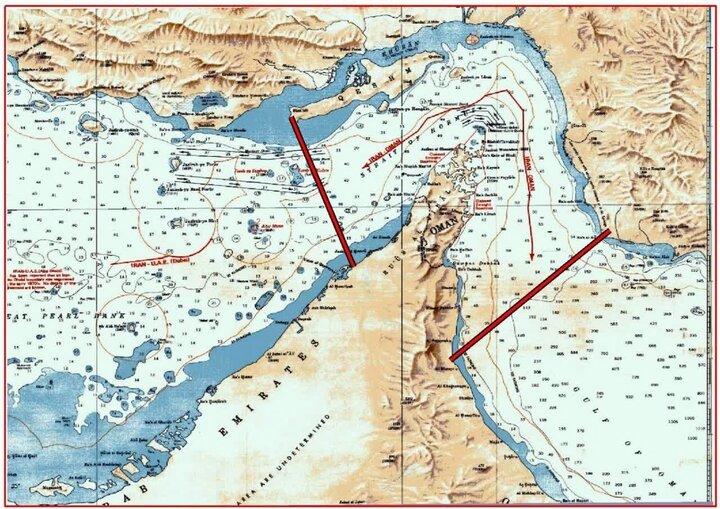
Trump Says Iran Is Under Control as Hegseth Says U.S. Controls Strait of Hormuz
12 sources compared
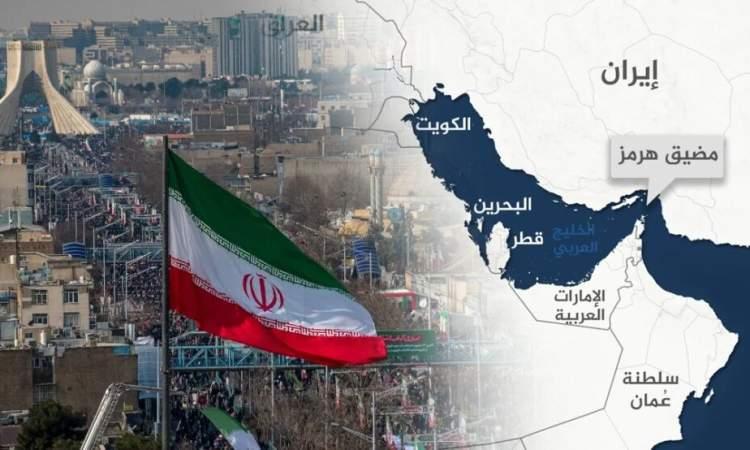
Iran And Oman Hold Legal Talks In Muscat On Strait Of Hormuz Safe Passage
11 sources compared
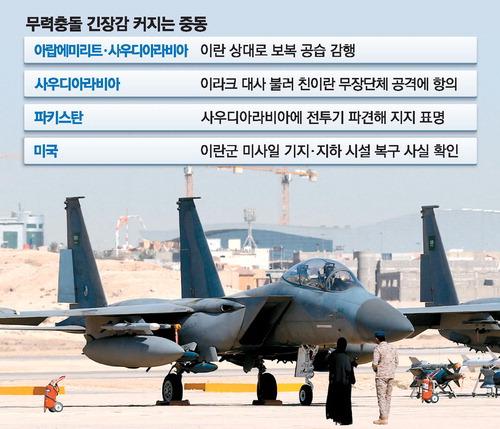
Saudi Arabia Carries Out Covert Airstrikes Against Iran, Then Threatens Further Aggression
22 sources compared
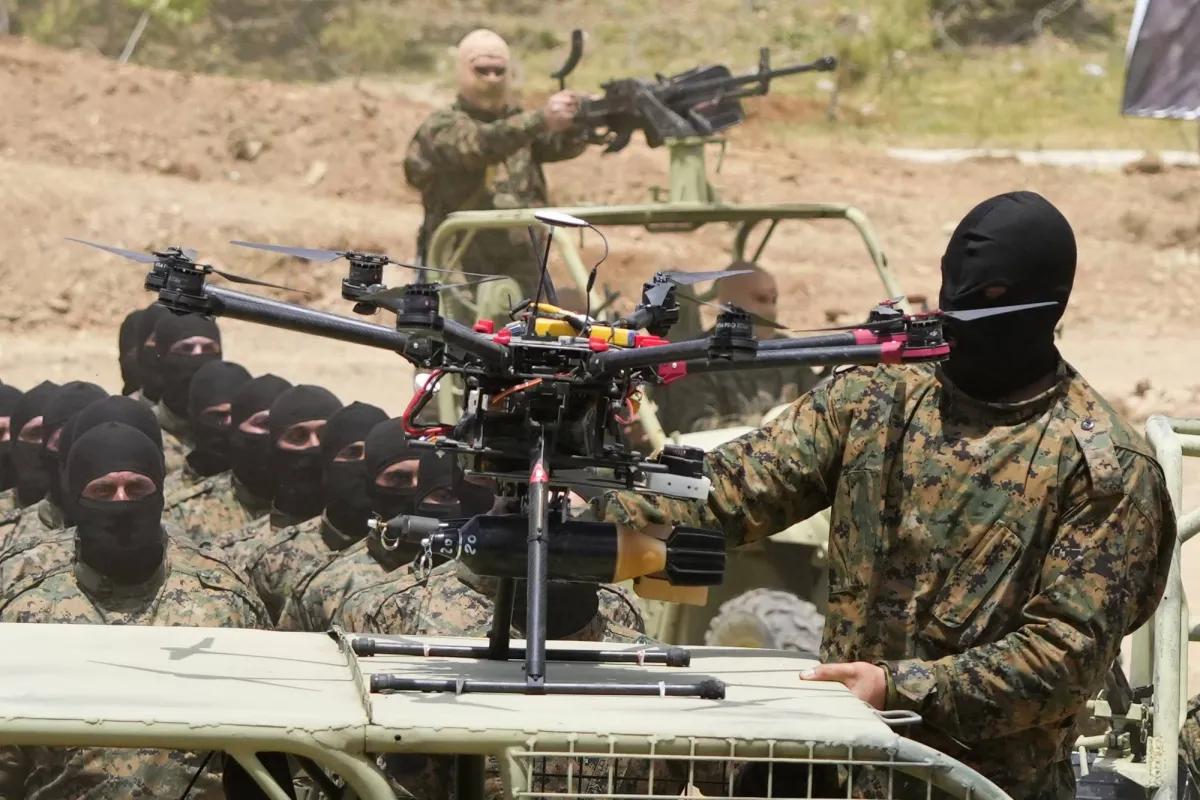
Hezbollah Launches Fiber-Optic Drone Swarm Attacks On North Israel, IDF Intercepts Some
13 sources compared