Pentagon Seeks $200 Billion From White House To Fund War With Iran
Key Takeaways
- Pentagon seeks $200 billion to fund the Iran war; White House has not submitted.
- Congressional opposition is mounting; Democrats and some Republicans question funding needs.
- Reports disagree on final amount, with some predicting $80–100 billion and others over $200 billion.
Pentagon’s $200B request
The Pentagon has asked the White House for $200 billion to fund the war with Iran, according to a military official and an administration official cited in reporting that the White House had not yet submitted the request to Congress.
“(CNN) -- Divisions among Republicans in Congress over the war on Iran have begun to surface, with prominent lawmakers voicing doubts about spending hundreds of billions of dollars to prolong the conflict, and several refusing to back any funding without a clear White House strategy”
The officials said the request was sent to the White House, which would review it before any request for funds is formally submitted to Congress, and they spoke on condition of anonymity.
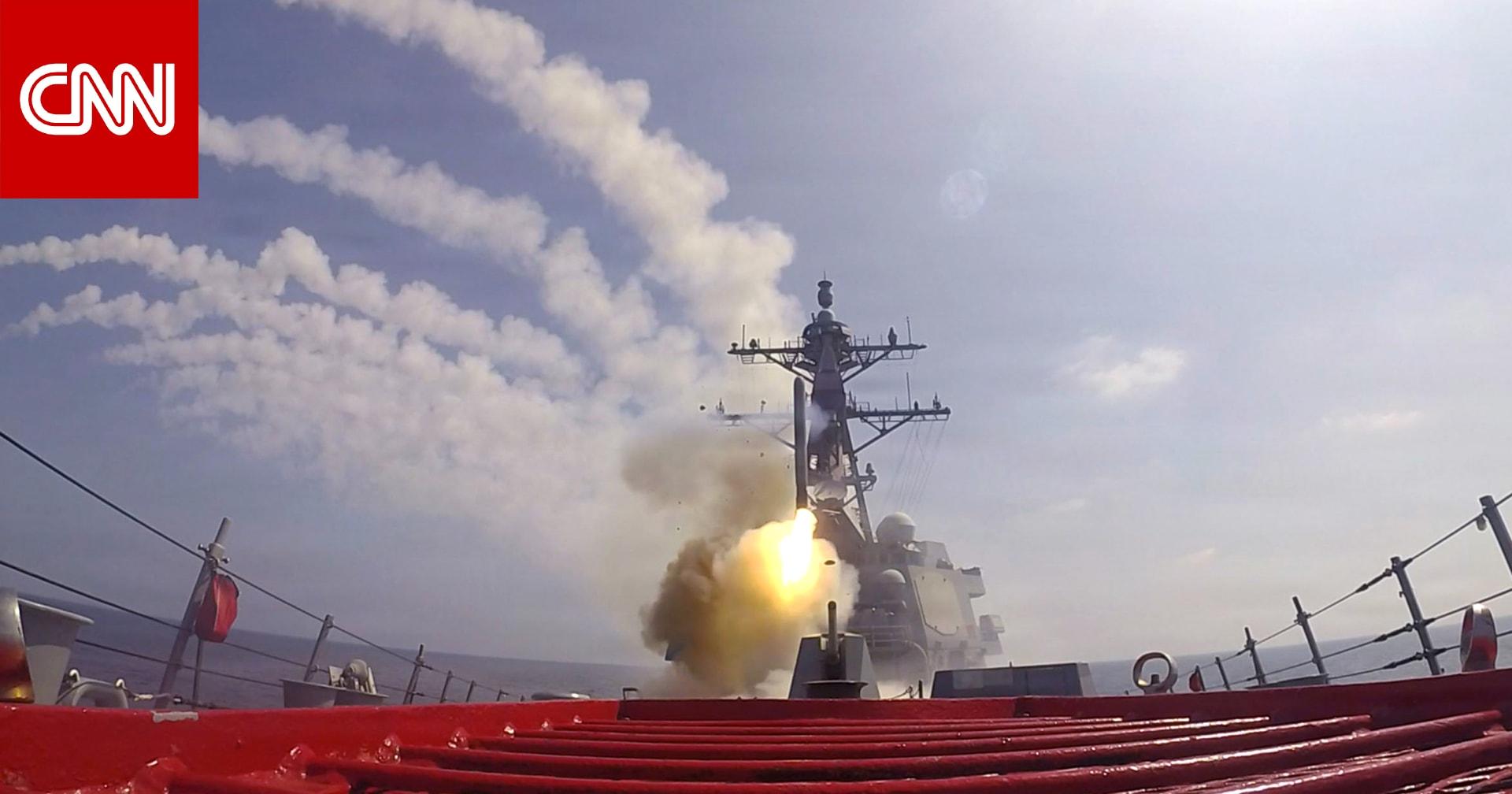
Defense Secretary Pete Hegseth addressed the figure during a news conference on Thursday, saying, “Obviously, it takes money to kill bad guys,” and adding, “As far as the $200 billion, I think that number could move.”
On Capitol Hill, the sum was described as raising eyebrows among moderate Republicans, with Senator Susan Collins saying, “It’s considerably higher than I would have guessed, but I don’t know how it’s broken down,” and noting that the White House had not passed along any request to Congress.
Senator Lisa Murkowski said the administration would have to engage Congress more directly, telling reporters, “You just can’t come up here with an invoice and say, you know, ‘pay this’ and expect to have great cooperation going forward.”
CNN Arabic also described the request as likely to be extremely difficult to pass, saying GOP leaders do not believe they have enough votes without more detailed plans from the White House.
Cost, ammunition, and timing
Multiple reports tied the funding request to ammunition and operational costs, while also stressing that the White House had not yet sent the request to Congress.
CNN Arabic said the Pentagon asked the White House to approve a request submitted to Congress for additional military funding exceeding $200 billion, and it described the purpose as covering ammunition costs and “the costs of operations arising from the conflict,” which it said amounted to about $11 billion in the first week of the airstrikes alone.

CNN Arabic also said the extra funding request would be used “in part” for ammunition and operations, and that “part of the requested funding could also be directed to other areas not directly related to the war with Iran — an accounting trick the Pentagon has used before to fund defense projects.”
The same report said Trump reviewed the funding request on Thursday and stated from the Oval Office, “We want to be at our best, our best ever. It’s a small price to pay to ensure we remain at the top of our readiness.”
It added that it is likely to take days, if not weeks, before the request is brought before Congress, and that the White House and Pentagon had not yet set a clear timetable to end military operations.
Al Jazeera’s Arabic-language report said the Pentagon had not yet sent the request to the Senate and the House of Representatives for approval of the massive amount, while quoting Hegseth saying, “I think this number could change naturally; killing the bad guys costs money.”
Republican and Democratic doubts
As the request circulated, lawmakers in both parties raised doubts about the size of the sum and the lack of a clear White House strategy.
CNN Arabic said divisions among Republicans in Congress over the war on Iran had begun to surface, with prominent lawmakers voicing doubts about spending “hundreds of billions of dollars to prolong the conflict,” and with several refusing to back any funding without a clear White House strategy.
It reported that GOP leaders do not believe they have enough votes to fund the war “even within their own party” without more detailed plans from the White House.
In the same reporting, Senator Susan Collins was quoted again as saying she would like to hold a public hearing on the request, and it said she stressed the proposed amount was higher than she expected.
Al Jazeera’s Arabic-language report quoted Democratic Representative Pramila Jayapal of Washington saying, “We just heard that the Pentagon is submitting a request for an additional $200 billion for this war. How in the world will we pay for that? This is utterly ridiculous.”
It also quoted Democratic Senator Chris Van Hollen of Maryland saying requesting such a large sum should be non-negotiable and that “the best way to end the war is to cut funding.”
A possible cut to $100B
While the Pentagon’s initial request was described as $200 billion, one report said the Trump administration was expected to reduce the funding request to $100 billion.
The Gulf report cited The Washington Post and said the total funding was likely to range from $80 billion to $100 billion, which it said would be less than half of the more than $200 billion the Pentagon initially proposed to the White House last month.

It also said that in March, The Washington Post had quoted a senior U.S. administration official saying the Pentagon asked the White House to approve a request to Congress worth more than $200 billion to fund the war against Iran.
The Gulf report also tied the funding discussion to a separate development: it said Trump announced an agreement for a ceasefire between the United States and Iran for two weeks, with both sides to participate in negotiations in Pakistan next Friday in preparation for a comprehensive agreement.
In that same account, it referenced the timeline by stating the ceasefire announcement came on Wednesday and included the “April 8, 2026 3:03 PM” timestamp in the published item.
The existence of competing figures—$200 billion in multiple reports and $80 billion to $100 billion in the Washington Post-cited report—meant that the request’s eventual size remained unsettled.
What happens next in Congress
Across the reporting, the next step repeatedly centered on whether the White House would formally ask Congress for the money and whether lawmakers would approve it.
The AP-cited account in Al Sharq Al Awsat said the Pentagon sent the request to the White House, and it described the amount as “extremely large,” coming “in addition to the extra funding the Defense Department received last year under the major tax-cut law signed by President Donald Trump.”
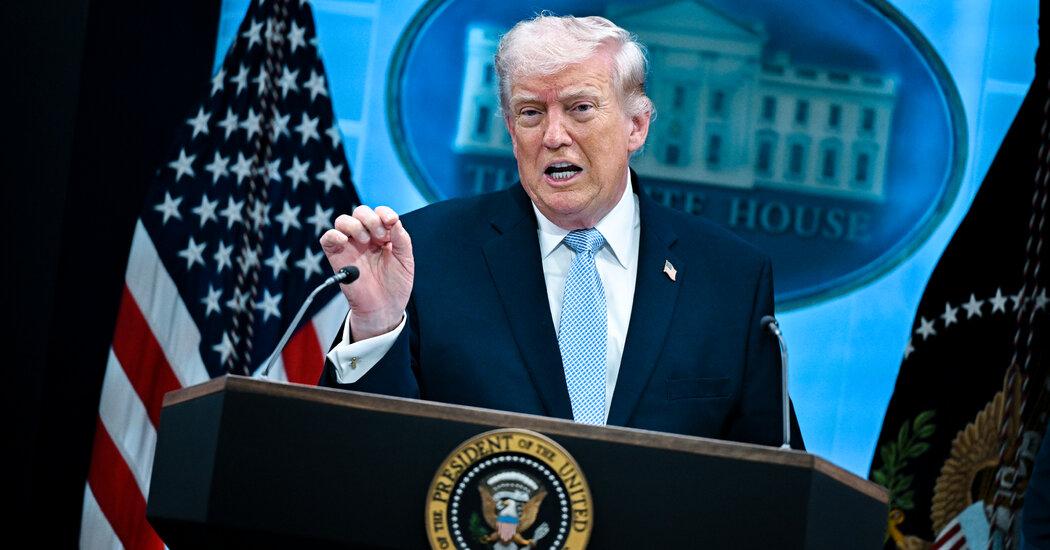
It said Congress was preparing for a new spending request but that it was not yet clear whether the White House had forwarded the request for consideration, and it quoted Hegseth saying, “We will go back to Congress and the officials there to ensure that we get the funding we need.”
The Independent Arabic report added that the request was expected to face strong opposition in Congress and said it would be a “sharp political battle,” while also stating that opponents could seek to block the request and that the need for “60 votes in the Senate” was part of the challenge.
It also said leading efforts inside the Pentagon included Deputy Defense Secretary Steven Feinberg, who focuses on boosting military production, especially precision munitions that have been heavily depleted during the war.
That report also said defense expert Mark Cancian told the newspaper that the lack of clarity about the true cost of the war heightens the debate and that Congress will demand precise clarifications before approving additional funding.
More on Iran

Israeli Strike Kills Ayatollah Ali Khamenei, Buried at Imam Reza Shrine in Mashhad
19 sources compared
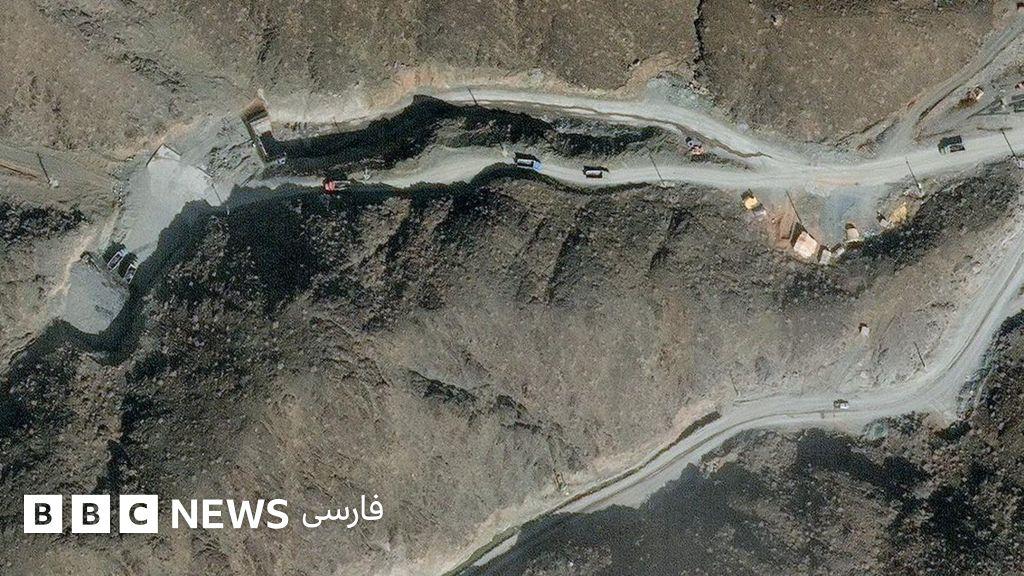
Iran Attempts To Restore Nuclear Sites Damaged In US And Israel Strikes, CNN Satellite Images Show
15 sources compared

Abbas Araghchi and Prince Faisal Bin Farhan Discuss Regional Developments After US Attacks
11 sources compared

Trump Says U.S. Agreed to Continue Iran Talks, Ceasefire Is Over
19 sources compared