South America04 November, 20252 min read
Peru Cuts Diplomatic Ties with Mexico After It Grants Asylum to Ex-PM Facing Coup Trial
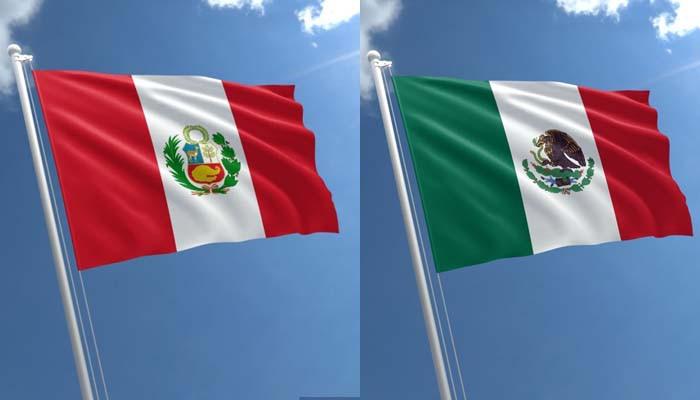
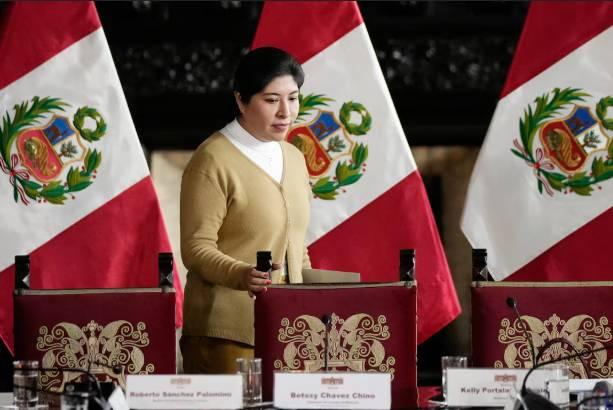
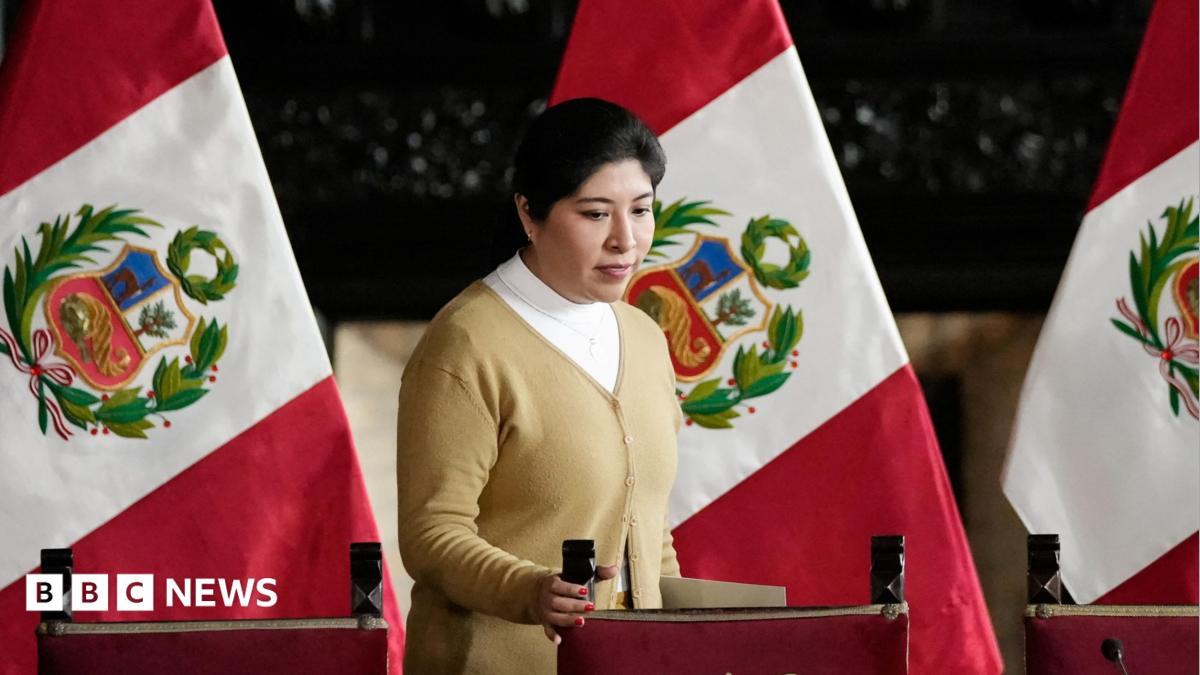
Peru severed diplomatic relations with Mexico on November 3, 2025. Mexico granted asylum to former Peruvian Prime Minister Betssy Chávez.
12 outlets told this the same way.
Outlets did split on Alexandre de Moraes Orders Eduardo Bolsonaro Arrest, Cancels Passport, Enforces Four-Year Sentence →
Peru-Mexico Diplomatic Break
Peru has severed diplomatic ties with Mexico after Mexican authorities granted asylum to former Peruvian Prime Minister Betssy Chávez. Chávez faces charges related to the failed 2022 attempt by then-President Pedro Castillo to dissolve Congress. Peru’s Foreign Minister Hugo de Zela condemned Mexico’s move as interference and described it as an “unfriendly act.”
“Peru announced on Monday that it is severing diplomatic relations with Mexico after Mexican authorities granted asylum to former Peruvian Prime Minister Betssy Chávez.”
He cited Mexico’s actions as the trigger for the diplomatic break. Western mainstream and Asian media outlets note Peru’s accusation of repeated interference by Mexico.
Some reports indicate that Mexico expressed regret over the situation but defended the asylum under international law. The diplomatic rupture occurs amid already strained relations following Castillo’s impeachment and arrest in December 2022.
Charges and Trial Details
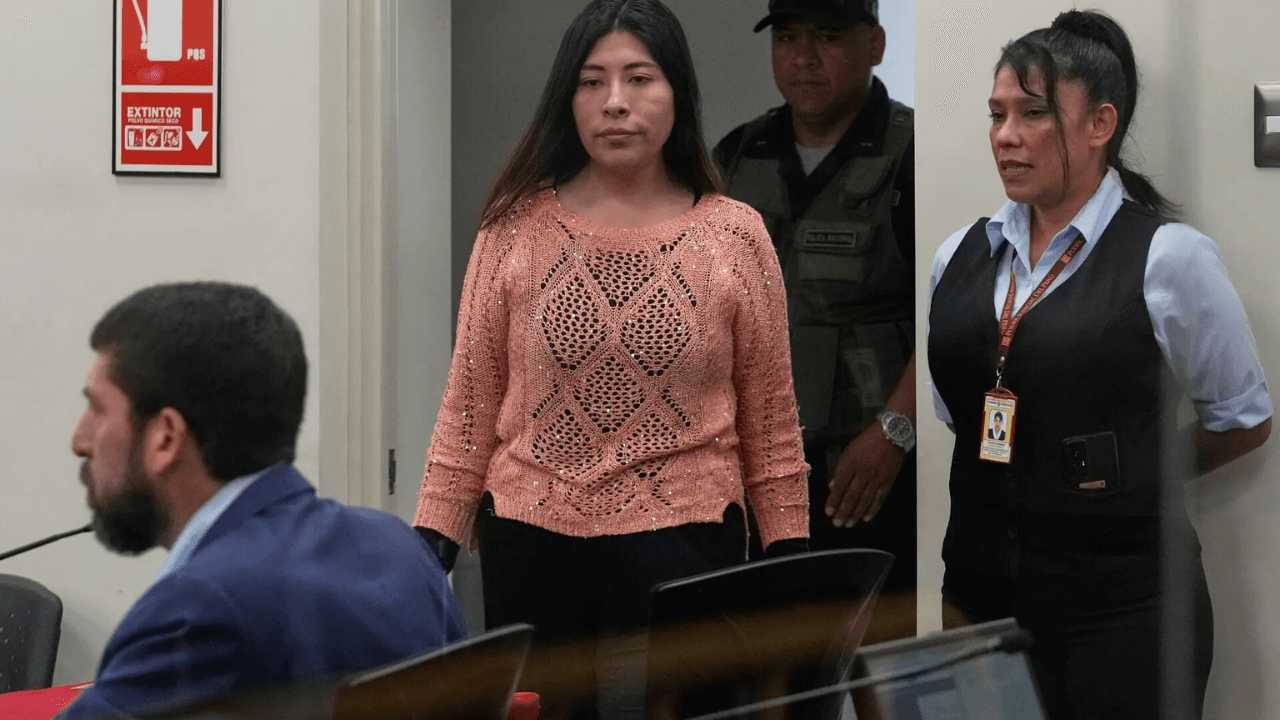
Chávez faces charges related to a rebellion and is accused by prosecutors of involvement in an alleged coup attempt. Some reports state she could face up to 25 years if convicted. Certain coverage describes her as a co-author or accomplice in Castillo’s failed attempt to seize power.
Other reports provide procedural and defense details, noting that her trial began in March 2024. She was jailed in June 2023 and released three months later. Chávez denies any involvement in the events.

A Western mainstream account mentions that prosecutors are seeking 34 years for Castillo and 25 years for an associate named Vladimir Chávez. This creates a naming discrepancy with reports focusing on Betssy Chávez facing up to 25 years.
Mexico-Peru Diplomatic Dispute
Accounts differ on Mexico’s immediate reaction to the situation. Some sources report that Mexico has not yet responded. Others state that Mexico criticized Peru’s action as "excessive," expressed regret, and maintained that the asylum was legitimate.
“Mexico expressed regret over Peru’s decision, stating that the asylum was granted in accordance with international law.”
Several reports place the dispute within a longer-standing conflict fueled by Mexico’s support for Castillo and the asylum granted to his family. This ongoing tension has also involved expulsions and increasingly harsh rhetoric.
Political Crisis in Peru
The backdrop is Castillo’s December 2022 attempt to dissolve Congress, which precipitated his impeachment and arrest. Most outlets align on this chronology, but one Western Mainstream report goes further, claiming his successor Dina Boluarte was recently removed and that Congress leader José Jerí now serves as interim president.
A Western Alternative source refers more generally to an interim president facing protests and calls to resign. Other and Western Mainstream sources foreground how Mexico’s support for Castillo and criticism of Peru’s handling soured relations.
Diplomatic Tensions Between Peru and Mexico
Peru views Mexico’s decision to grant asylum as interference and an unfriendly act. Mexico argues that granting asylum aligns with international law. Reports highlight worsening relations between the two countries.
“Peru’s government condemned Mexico’s asylum decision as an ‘unfriendly act’ and accused Mexico of interfering in its internal affairs.”
Peru recalled its envoy to Mexico as a response. Earlier, Peru had declared Mexico’s ambassador persona non grata. These actions reflect a relationship that had been declining before this final rupture.