South America17 February, 20262 min read
Peru's Congress Ousts Interim President José Jerí After Censure Vote
Congress approved censure 75–24 with three abstentions, removing Jose Jeri from office Undisclosed late-night meetings with a Chinese businessman triggered investigations and cross-party outrage
9 outlets told this the same way.
Outlets did split on Alexandre de Moraes Orders Eduardo Bolsonaro Arrest, Cancels Passport, Enforces Four-Year Sentence →
Peru interim presidency change
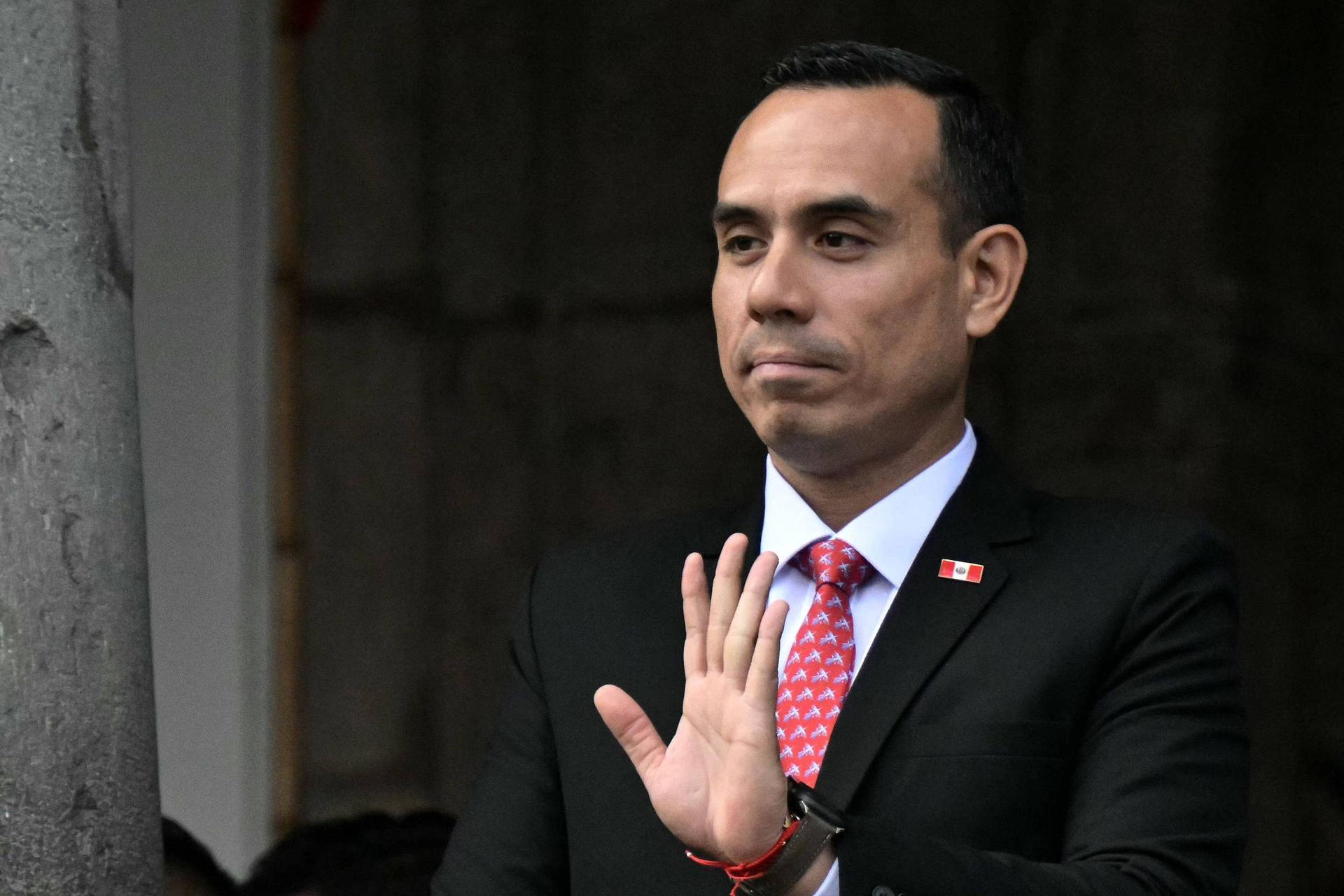
Peru’s Congress voted on Feb. 17 to censure and remove interim president José Jerí, approving the motion 75–24 with three abstentions and immediately ending his tenure.
“Peruvian Congress approved a motion of censure against interim president José Jerí on Tuesday, removing him from office immediately after a 75–24–3 vote.”
Lawmakers used the congressional censure mechanism, a move that simultaneously stripped him of the presidency of Congress and thus the presidency of the country, and scheduled a plenary session to elect a new congressional leader who will assume the interim presidency.

The vote followed a rapid rise and fall: Jerí had taken office in October after Dina Boluarte’s removal and served only about four months before the censure succeeded.
Censure over China meetings
The censure followed a string of allegations and investigations into Jerí’s conduct, centered on undisclosed or clandestine meetings with Chinese businessmen, questions about influence‑peddling, and other probes that lawmakers said showed “misconduct in office.” Media reports highlighted a widely publicized episode dubbed 'Chifagate,' in which video footage of late‑night restaurant meetings with businessman Zhihua Yang — and at least one filmed encounter where Jerí appeared partly disguised — deepened suspicions and prompted inquiries. Jerí denies wrongdoing and has said he retains the moral capacity to govern, but sustained scrutiny and multiple formal censure motions preceded Tuesday’s vote.
Peru political volatility
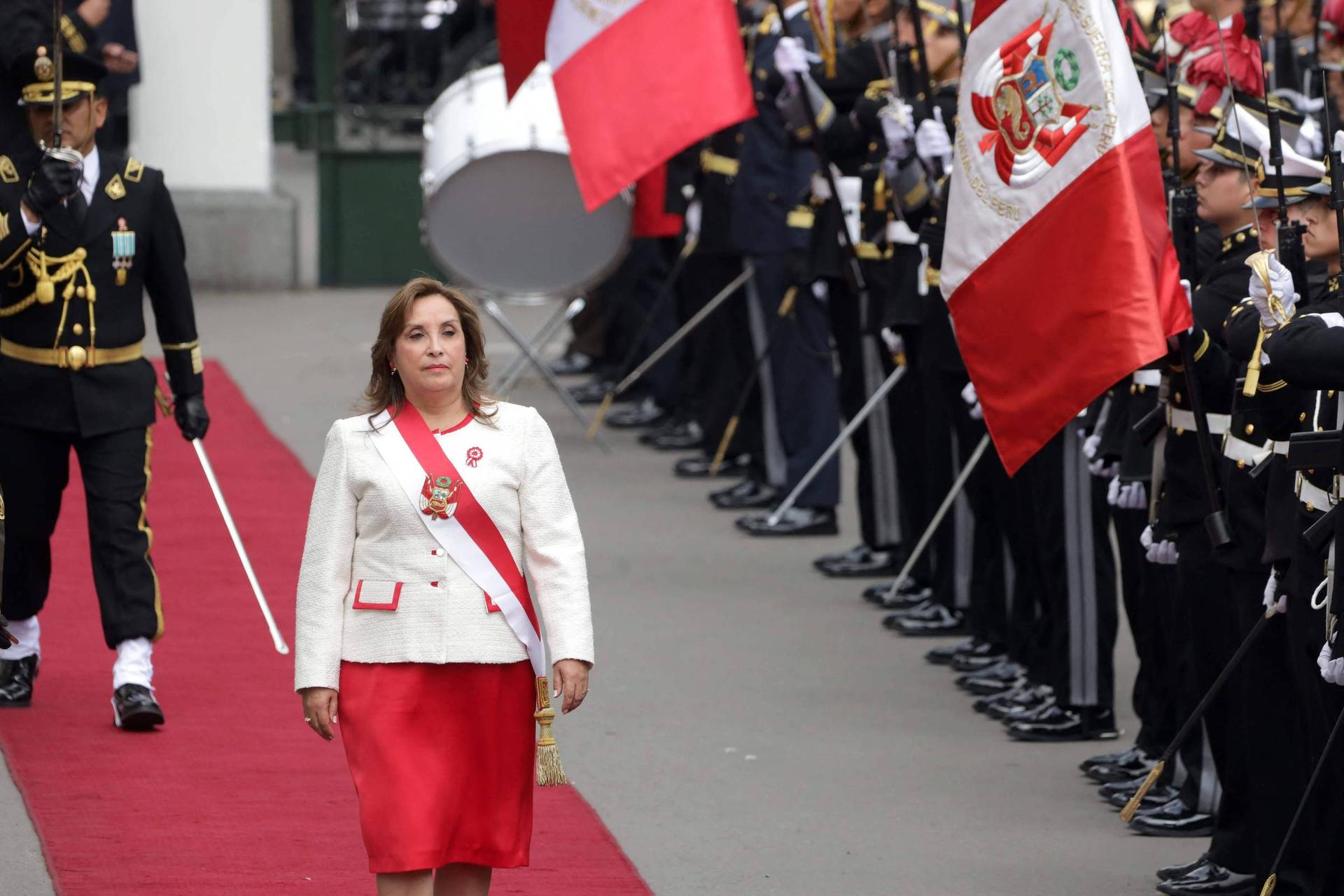
Jerí’s rise and removal sit inside a wider pattern of political volatility. All accounts note he became head of Congress and then interim president after Dina Boluarte’s ouster in October.
“Jerí had taken office last October after the removal of Dina Boluarte and was the eighth Peruvian president in a decade; he leaves just four months into his term and a few months before general elections scheduled for April 12.”
Sources differ on counting how many presidents Peru has had in the past years: some reports call him the seventh president in a decade, while others label him the eighth. His removal also comes weeks before general elections on April 12, adding urgency to the choice of an interim successor who will serve during an electoral period.
Congress censure and vacancy
Parliamentary mechanics, party calculations and timing shaped the process. Lawmakers took the seven censure motions up in an extraordinary session that several outlets said skipped debate and went straight to a vote.
Some parties that normally align with Jerí’s right-wing base nonetheless split or opposed the censure. The presidency of Congress is now vacant and candidates from multiple parties had registered to run for that post, with the winner to assume the interim national presidency during the electoral period.
Peru political reactions
Reactions varied: some outlets stressed institutional instability and protests as context, while others highlighted the corruption and criminal probes that drove lawmakers’ urgency. Analysts suggested political self‑interest ahead of elections. Reports noted falling approval ratings for Jerí.
“His short tenure — Peru’s seventh president since 2018 — was marred by scandals and political pressure, and analysts say lawmakers moved against him largely out of self‑interest ahead of the April presidential race.”
Reports also noted calls from international diplomats for continuity as Peru heads into an already crowded presidential race. With a successor to be chosen by Congress on Wednesday, the immediate consequence is renewed political uncertainty during the run‑up to the April 12 vote.