Full story
Hegseth seeks more money
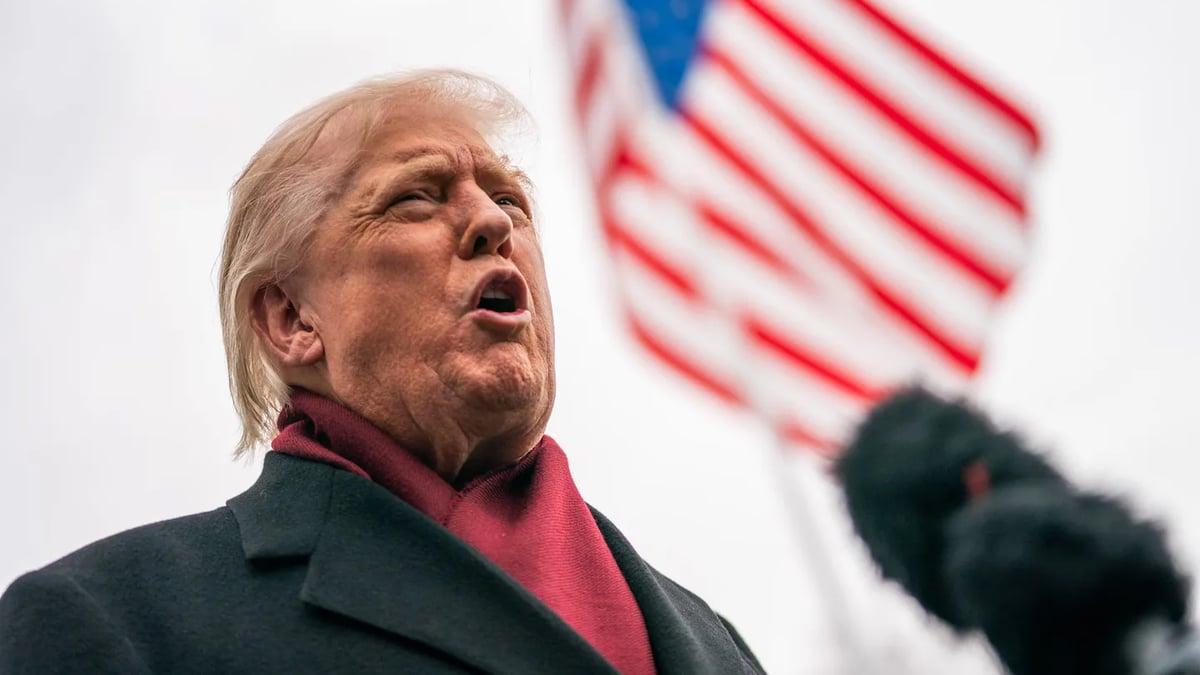
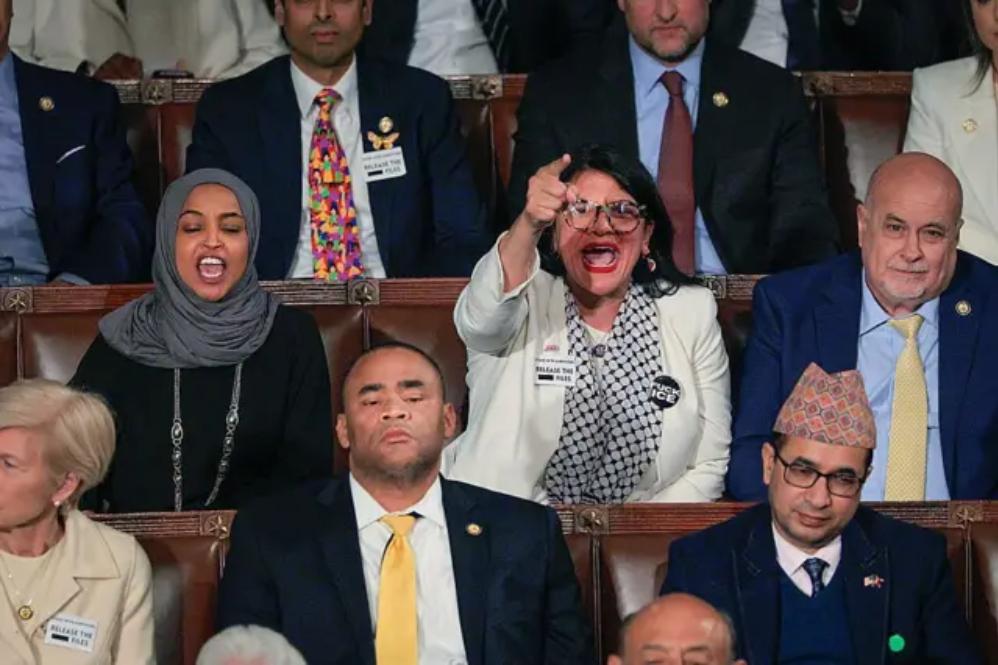
U.S. Defense Secretary Pete Hegseth told the Senate Appropriations Committee that the U.S. war with Iran has cost $37.5 billion so far, as he defended a request for additional funding during a hearing marked by protests and repeated interruptions.
“Opens in a new window Opens an external website Opens an external website in a new window <”
Hegseth said the supplemental war funding is an “urgent, necessary” injection of money, while House Speaker Mike Johnson said “the commander in chief and the whole Department of War are working very hard to bring this to a resolution.”

The AP reported that Republicans were preparing a $95 billion package to fund the military and other White House priorities, and that the Pentagon said three more American service members have died in the conflict, bringing the death toll to 17.
AP also said more than 100 have been injured since early July, and that the proposed budget package includes $60 billion and $12 billion for other national security needs, along with $10 billion for farm aid and $10 billion for voting law changes.
CNN Arabic described the same Senate hearing as featuring heated exchanges, with Senator Kirsten Gillibrand pressing Hegseth to justify the war and challenging his previous claims about the Iranian nuclear program.
Lawmakers clash over strategy
Democratic Senator Patty Murray warned that the conflict was “another forever war,” saying “This war is now spiraling out of control again,” as she questioned why the administration was asking for $70 billion more and urged lawmakers not to “just trust him it’ll all work out fine.”
In the same hearing, CNN Arabic said Senator Gary Peters accused Hegseth of being a failure and warned that “in the absence of a clear strategy to win, we face the risk of sliding into another perpetual war that endangers our soldiers' lives.”
AP reported that Hegseth faced questions not only about the war but his own leadership, including Democratic Sen. Jeanne Shaheen’s challenge about why he was asking for more money when the department had not yet spent about half the $150 billion Republicans provided the Pentagon in last year’s big budget bill.
The Los Angeles Times said Hegseth and Gen. Dan Caine urged Congress to approve roughly $70 billion in emergency defense funding, warning that without it the Pentagon could face “critical shortfalls” disrupting its readiness.
The Guardian reported that Murray demanded Hegseth explain what the war had achieved, accusing the administration of shifting its rationale and warning the conflict risked becoming “another forever war,” while Hegseth framed the request as deterrence and said “The best way to create peace is to prepare for war, to deter it.”
Readiness, munitions, and pay
Hegseth told senators that “Without these funds, we face critical shortfalls,” warning the Pentagon would struggle to “pay our service members, rapidly replenish equipment and munitions, and sustain vital operations without disruption.”
The Guardian reported that of the roughly $88bn supplemental funding request, as much as $67.1bn was earmarked specifically to cover the costs of the Iran war effort, while Hegseth said the $21bn readiness portion would cover military pay, replace equipment used in recent operations, and stabilize fuel shortfalls.
The Hill reported that Hegseth said the first casualty of dwindling Pentagon funding would be training, telling Appropriations Committee Chair Susan Collins (R-Maine) that training “would have to be curtailed if we do not get our budget needs met and met urgently.”
AP said the White House issued a statement urging support of the budget resolution “without modification — immediately,” as Republicans sought to launch the package before lawmakers recess to campaign for the midterm elections.
El País said the hearing reflected the administration’s difficulties continuing a war “deeply unpopular with a vast majority of Americans,” while also noting that the U.S. death toll since the start of the Iran war on February 28 now stood at 18 after Isabella Gonzales, 19, and James Feehan, 25, were among the latest soldiers killed by Iranian attacks.