Yemen04 December, 20252 min read
Pete Hegseth Put U.S. Troops at Risk by Sharing Yemen Strike Details on Signal, Pentagon Watchdog Finds
This article is an automated aggregation of coverage from news outlets. Our editorials offer in-depth analysis curated by the NewsCord team.
Hegseth used the Signal messaging app to share planned strike details against Houthi militants Pentagon watchdog concluded his Signal messages risked exposing sensitive information and endangering U.S. personnel

5 outlets told this the same way.
Pentagon review of Hegseth
A Pentagon watchdog review found that Pete Hegseth used the encrypted Signal messaging app to share details about a March 15 strike on Iran-aligned Houthi militants in Yemen. The review said that practice put U.S. personnel and the mission at risk. The review did not conclude he improperly declassified material, and sources noted Hegseth has authority to declassify information.
“The Pentagon’s watchdog found that Defense Secretary Pete Hegseth used the Signal messaging app to share sensitive information about a strike on Yemen’s Houthi militants, a practice the report says put U.S. personnel and the mission at risk, two people familiar with the findings told reporters. The review did not conclude he improperly declassified material, and sources noted Hegseth has the authority to declassify information. The White House says it ‘stands by’ him even as he faces growing scrutiny over U.S. strikes in the Caribbean.”
The White House has publicly stood by Hegseth even as scrutiny of related U.S. strikes continues. The finding has drawn attention because the communications involved senior officials and because the review is being closely watched for implications about operational security and personal accountability. This summary is based on reporting and snippets from the available sources.

Signal messages on strikes
According to available reporting, the Signal messages included operational specifics. DW reports that Hegseth posted timings of the strikes hours in advance and details on aircraft and missiles. DW reports that then national security adviser Mike Waltz shared real-time intelligence on strike aftermath.
DW also says the matter emerged after Atlantic editor Jeffrey Goldberg was accidentally added to one of the encrypted Signal group chats. SCMP likewise reports the use of Signal to share sensitive strike information. The Times of India snippet did not include those operational details in the pasted content it examined.
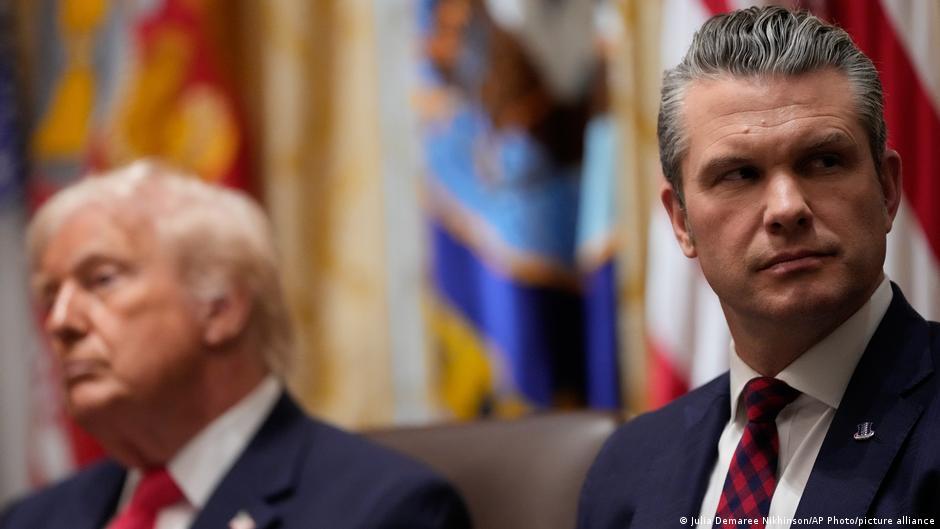
Officials' responses to review
Officials quoted in the coverage present a defensive framing. DW reports that both the White House and the Pentagon concluded the review found no classified information was leaked and that operational security was not compromised. The Pentagon called the issue "resolved" and President Trump publicly stood by Hegseth.
“The White House and Pentagon say the review found no classified information was leaked and that operational security was not compromised; the Pentagon called the matter ‘resolved’ and ‘closed,’ and President Trump stands by Hegseth.”
SCMP similarly notes the review did not conclude improper declassification and records the White House stance. SCMP also highlights that sources told reporters Hegseth's messaging "put U.S. personnel and the mission at risk." The Times of India text did not provide statements from officials in the pasted material it examined.
Assessment of operational risks
The potential operational consequences are emphasized differently across sources. South China Morning Post foregrounds the watchdog's explicit assessment that sharing strike details on Signal 'put U.S. personnel and the mission at risk.'
DW supplies examples of the kinds of information that could have caused that risk — timing, aircraft and missile details, and near real-time aftermath reporting — linking message content to potential compromise. The Times of India snippet does not provide these specifics in the pasted material and therefore does not elaborate on operational consequences.

Coverage gaps and redactions
Coverage highlights gaps in publicly available material. DW says a partially redacted review is expected to be released, raising questions about what will remain hidden. South China Morning Post attributes reporting to two people familiar with the findings, indicating reliance on unnamed sources.
“A partially redacted review of communications involving Fox host and former Pentagon official Pete Hegseth is expected to be released later this week, possibly Thursday.”
The Times of India notes the pasted content lacked the article body, which limited what could be reported. Together, these elements point to a mix of partial official statements, unnamed sourcing, and redactions that leave some details unclear or unreleased.