Crime01 November, 20252 min read
Petty Criminals Steal Priceless Jewels from Louvre in Daytime Heist
Four men used power tools and a cherry-picker to steal €88 million in jewels in daylight. Two new suspects, a 37-year-old man and 38-year-old woman, were charged with organized theft.
60 outlets told this the same way.
Louvre Jewelry Heist Details
A brazen daytime robbery at the Louvre saw four thieves complete a seven-minute raid using power tools and a lift to reach the gallery. They smashed access points and fled with eight imperial jewels valued at about €88 million ($102 million). Prosecutor Laure Beccuau described the culprits as petty criminals rather than organized-crime professionals.
“The recent Louvre heist... was likely carried out by petty criminals rather than high-level organized crime, according to Paris prosecutor Laure Beccuau... [The thieves] used a stolen truck and a furniture lift... breaking into the museum in broad daylight, escaping on scooters within seven minutes.”
Reports agree on a swift escape by scooter, with one crown dropped during the getaway and seven jewels still missing. One source adds that the thieves switched to cars after the scooter escape. The operation involved a movers’ or cherry-picker-style lift, a smashed window, and angle grinders used on display cases, according to multiple reports.

Details of Recent Arrests
Arrests accelerated in waves, though counts vary across outlets. Prosecutors say two additional suspects—a 37‑year‑old man and a 38‑year‑old woman—were charged, bringing the total charged to four. Several others initially detained were released.
Other reports say police arrested five more suspects including a prime suspect, seven people in total, or even nine overall since the incident. Earlier detainees include local residents from Seine‑Saint‑Denis with prior theft records. Some suspects have partially admitted roles.

Details of a Gallery Break-In
Investigators describe a pragmatic break-in rather than a sophisticated caper. Thieves used a movers’/furniture/cherry-picker lift to access the second floor. They smashed a window and used angle grinders on display cases.
Tools and a scooter left potential DNA, leading to arrests. One suspect was apprehended at Charles-de-Gaulle airport while allegedly trying to flee toward Algeria. Two men are suspected of forcibly entering the gallery, while others may have waited outside.
Security Response to Heist
Security lapses and the official response draw divergent emphases. Tabloid coverage highlights failings such as no balcony cameras and unsecured windows. The Louvre director called it a 'terrible failure.'
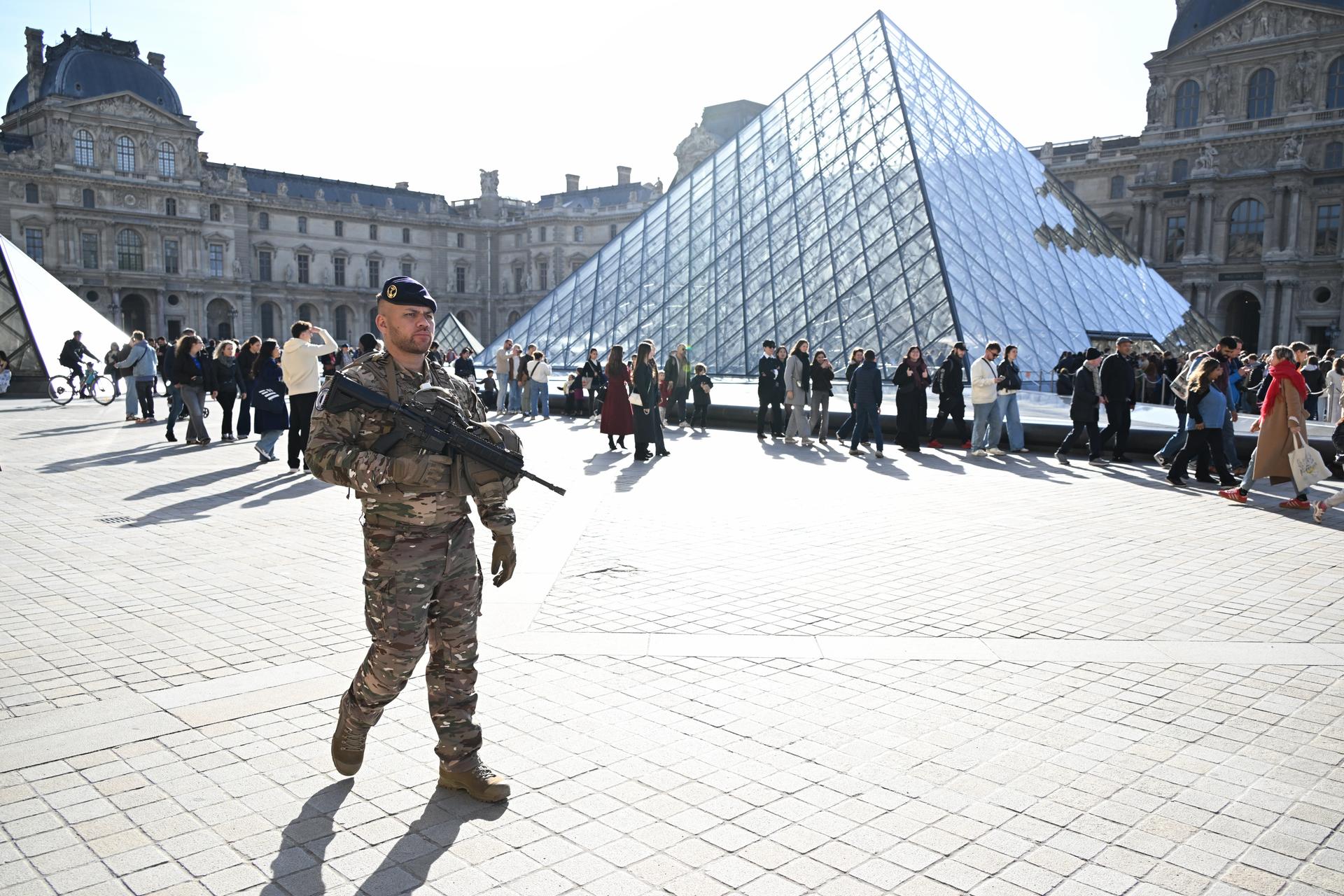
Mainstream outlets focus on post-heist safeguards including heightened protection at cultural sites. Some jewels have been moved to the Bank of France. New anti-ramming barriers have also been installed.

Several outlets stress that French law tightly restricts investigative disclosures to official prosecutor statements. This restriction shapes the trickle of information.
Theft of French Imperial Jewels
The stolen cache includes emblematic pieces tied to France’s imperial past, such as Empress Eugénie’s diamond-and-emerald diadem and Napoleon I’s emerald-and-diamond necklace to Empress Marie-Louise. Some sources report that these items were uninsured.
“Stolen items included Empress Eugenie's diamond- and emerald-studded crown and an emerald-and-diamond necklace given by Napoleon I to Empress Marie-Louise.”
One crown was dropped during the flight, but seven jewels remain missing and may have been taken abroad. The Louvre has removed the remaining high-value jewels to secure storage as recovery efforts continue.
Theft Investigation and Response
Some outlets emphasize charges of 'organized gang' theft. The prosecutor and several mainstream reports describe the suspects as local, small‑time offenders with links to low‑income suburbs north of Paris and prior theft records. Defense lawyers have criticized the broad scope of arrests and invoked the presumption of innocence.
French authorities have tightened security and moved high‑value pieces off‑site. Investigators are searching for missing jewels that might already be abroad.