
Phantom Wins CFTC Nod, Gains Access to Regulated Derivatives Markets
Key Takeaways
- Phantom becomes a non-custodial interface enabling access to registered derivatives platforms.
- CFTC grants Phantom approval to access regulated derivatives markets without broker registration under conditions.
- CFTC will not pursue enforcement against Phantom for acting as a non-custodial interface.
Regulatory Milestone
The U.S. Commodity Futures Trading Commission (CFTC) has granted Phantom, a popular Solana-based wallet provider, significant regulatory approval by issuing a no-action letter.
“Popular Solana wallet Phantom wins CFTC nod to access regulated derivatives markets This means Phantom can act as a non-custodial interface connecting users to registered derivatives platforms, removing the need for broker registration under specific conditions”
This decision enables the company to connect users to regulated derivatives markets without registering as a broker.
The CFTC's Market Participants Division announced Tuesday that it would not recommend enforcement action against Phantom for failing to register as an introducing broker.
Phantom, which has become particularly prominent within the Solana ecosystem, secured this relief after demonstrating its software operates as a non-custodial interface.
This decision represents a landmark moment for the crypto industry seeking regulatory clarity.
Technical Framework
The no-action letter specifically applies to Phantom's software functioning as a non-custodial interface.
This connects users directly with CFTC-registered entities including futures commission merchants and designated contract markets.
Phantom can integrate access to regulated derivatives and event contracts directly within its application through registered partners.
Users submit orders straight to exchanges without the wallet provider intermediating trades.
The company emphasized it does not custody customer funds or participate in trade execution.
Industry Precedent
Phantom has characterized this regulatory achievement as 'first-of-its-kind' relief for the crypto wallet industry.
“Popular Solana wallet Phantom wins CFTC nod to access regulated derivatives markets This means Phantom can act as a non-custodial interface connecting users to registered derivatives platforms, removing the need for broker registration under specific conditions”
The outcome positions this as a potential template that other wallet providers could follow.
The company highlighted that the result stems from proactive engagement with regulators.
'Rather than building first and seeking forgiveness later, we took a different approach,' the Phantom team wrote in their blog post.
Early dialogue with the CFTC helped clarify how non-custodial interfaces can operate within existing regulatory frameworks.
Executive Perspective
Phantom CEO Brandon Millman emphasized the broader significance of this regulatory breakthrough.
He stated that 'a critical part of making crypto safe and easy to use is building financial products that are governed by clear, common-sense regulations.'
Millman expressed gratitude to the CFTC for working through what he described as 'a genuinely novel question'.
He highlighted that early regulatory engagement produces better outcomes for users, the industry, and regulators.
Millman indicated Phantom plans to leverage this clarity to bring more innovative products to consumers.
Broader Implications
This regulatory development carries significant implications for the broader cryptocurrency and fintech industries.
“Popular Solana wallet Phantom wins CFTC nod to access regulated derivatives markets This means Phantom can act as a non-custodial interface connecting users to registered derivatives platforms, removing the need for broker registration under specific conditions”
It may establish a new framework for how self-custodial wallet providers can access traditional financial markets.
The CFTC has created a pathway that could be replicated by other wallet providers across different blockchain ecosystems.
The decision suggests regulators are increasingly willing to adapt existing frameworks to accommodate innovative financial technologies.
This approach maintains necessary consumer protections while potentially stifling blanket restrictions that could stifle innovation.
More on Crypto
Mastercard to acquire BVNK for up to $1.8B to accelerate stablecoin strategy.
24 sources compared
Boris Johnson Calls Bitcoin a Ponzi Scheme; Saylor, Eric Trump Defend Crypto
12 sources compared

Bybit Pay Joins Mastercard Crypto Credential Network, Lets Users Send Digital Assets Using Verified Aliases
10 sources compared
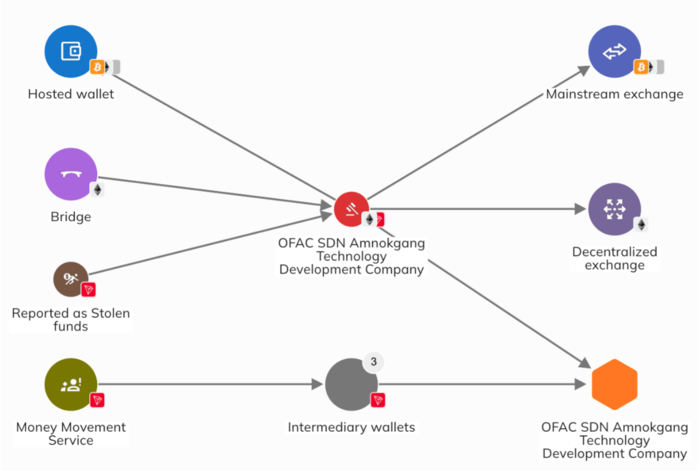
U.S. Treasury Freezes Crypto Network Feeding Nearly $800 Million To North Korea's Weapons Programs
10 sources compared