Philippine Employers Cut Workweek to Four Days as Iran Fallout Pushes Up Fuel Prices
Key Takeaways
- Philippine employers shorten workweek to four days.
- Iran fallout has pushed up Philippine fuel prices.
- Higher fuel costs cut private car trips and increase public transport use.
Workweek cut in Manila
Philippine employers have cut the workweek to four days in Manila as rising global fuel prices—linked in reporting to fallout from tensions involving Iran—push commuters away from private cars and toward public transport, causing businesses and local authorities to adapt schedules to ease commuting costs and congestion.
The Australian said: “4 day week, fewer car trips in Philippines as Iran fallout bites” and reported that “Rising fuel prices are pushing more people to use public transport and prompting a four-day work week in Manila.”
The coverage emphasizes the direct link between higher fuel costs and employers’ operational changes, noting behavioural shifts among commuters.
Commuter behaviour shifts
The reporting highlights commuter behaviour changes: higher fuel prices are prompting fewer car trips and increased public transport use, which in turn pressures employers to modify working patterns to reduce travel frequency.
The Australian’s video coverage noted the shift explicitly—“Rising fuel prices are pushing more people to use public transport and prompting a four-day work week in Manila”—underscoring the causal chain from fuel costs to mobility choices and employer responses.
Broader energy concerns
The article situates the Philippine developments within broader energy and supply concerns, referencing related reporting about national fuel supply and political responses: another linked piece quoted Energy Minister Bowen saying fuel supply was secure while regions experienced broken supply chains, and noted crisis talks as farmers warned of potential collapse in fuel supply threatening food production.
Those linked headlines suggest government-level attention to supply disruptions as prices rise.
Economic effects and adaptation
Economic impacts are implied: reduced workdays and increased public transport demand may lower household transport spending but could shift costs onto employers or public transit systems; the Australian coverage frames these adjustments as immediate responses to a price shock tied to geopolitical developments.
The piece’s concise reporting—repeating that rising fuel prices are pushing behaviour change and prompting a four-day week—frames the measure as both a cost-mitigation tactic and an operational adaptation by firms in Manila.
Limits and uncertainties
The available reporting is limited in detail: the article is short and focuses on the immediate link between fuel-price pressures and the four-day workweek, without providing data on how widespread the shift is, which sectors are affected, or official government policy changes in the Philippines; further coverage would be needed for sectoral breakdowns, commuter statistics, or official statements.
The Australian’s brief format and video emphasis mean key details—such as scale, duration, or exact employer decisions—remain unclear in the provided material.
More on Iran
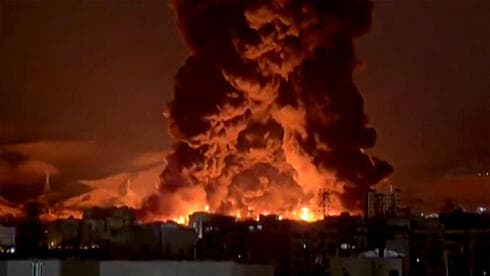
US obliterates military targets on Iran’s Kharg Island, Trump warns
13 sources compared

US Deploys About 2,500 Marines to Middle East After Iran Attacks Gulf Shipping
33 sources compared
FBI Warns of Iranian Drone Plot Based on Unverified Tip; California Says No Credible Threat
10 sources compared

White House Demands ABC Retract Report Claiming Iran Sought To Launch Drone Attacks On California
11 sources compared