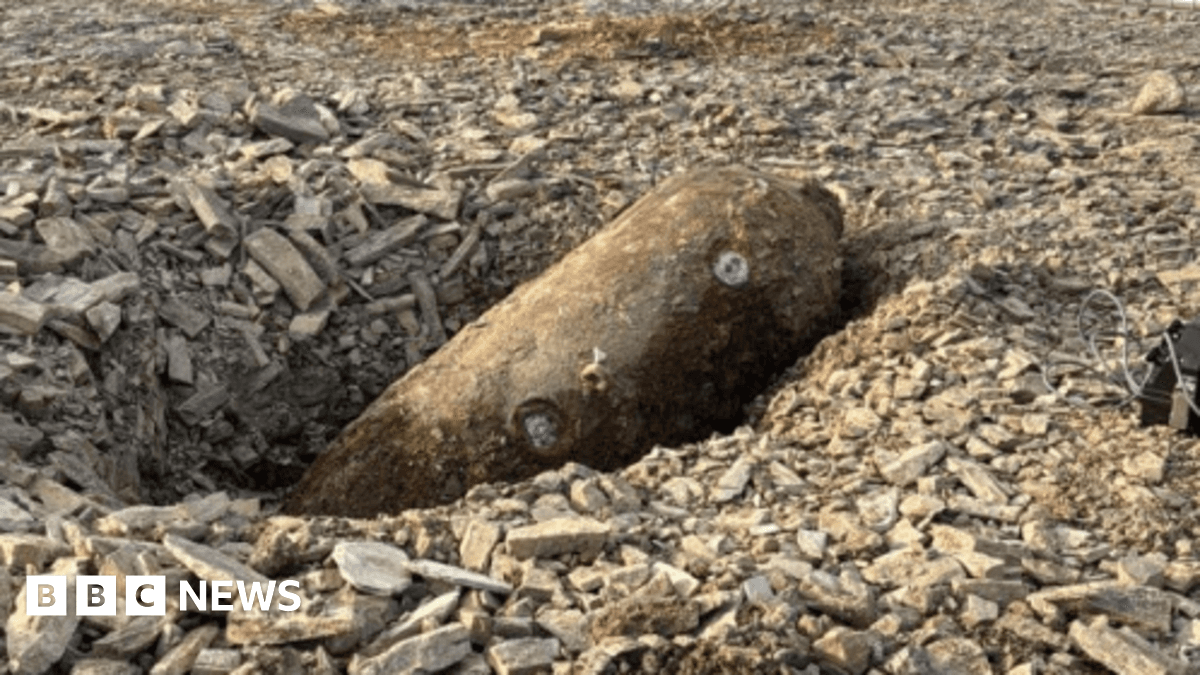
Plymouth Evacuates 1,200 Homes After WWII Bomb Found on Flamborough Road, Southway
Key Takeaways
- A 250kg German WWII SC250 bomb found at Flamborough Road, Southway, Plymouth.
- Around 1,200 homes evacuated within a 400-metre exclusion zone.
- Detonation will occur in situ because the device cannot be safely moved.
Plymouth bomb discovery
A suspected World War Two bomb discovered at a building site in Plymouth triggered a large-scale evacuation and a cordon that expanded as authorities prepared for a controlled detonation.
“- Published A World War Two bomb discovered at a building site in Plymouth will be destroyed in a controlled explosion on Friday”
GB News said “More than 1,200 homes have been evacuated” after the device was found and police “cord off an area of Southway,” with Devon and Cornwall Police urging residents to “stay away from the area.”
The ITVXU report identified the device as a “250kg Second World War bomb” discovered in the Southway area, and said it would be detonated “in situ” because it was “not safe to move.”
Sky News said officers were called to “Flamborough Road, Southway” after reports of an unexploded device, and that Royal Navy specialists were investigating it while “sand is in place to keep it stable.”
The BBC described the operation as a “400m (1,300ft) exclusion zone around the site in the Southway area of the city,” with “More than 1,200 nearby homes” evacuated.
Multiple outlets tied the evacuation to a specific time window, with GB News noting an update “around 9.30pm” and ITVXU stating the device would be blown up “tomorrow (1 May).”
The Independent and Daily Record both said the bomb would be detonated on Friday, May 1, and described the device as a German SC250.
Across the reporting, the location details were consistent: Flamborough Road, Southway, and nearby roads including Southway Drive, Clittaford Road, and Inchkeith Road appeared in the maps and descriptions of the exclusion zone.
Why it couldn’t be moved
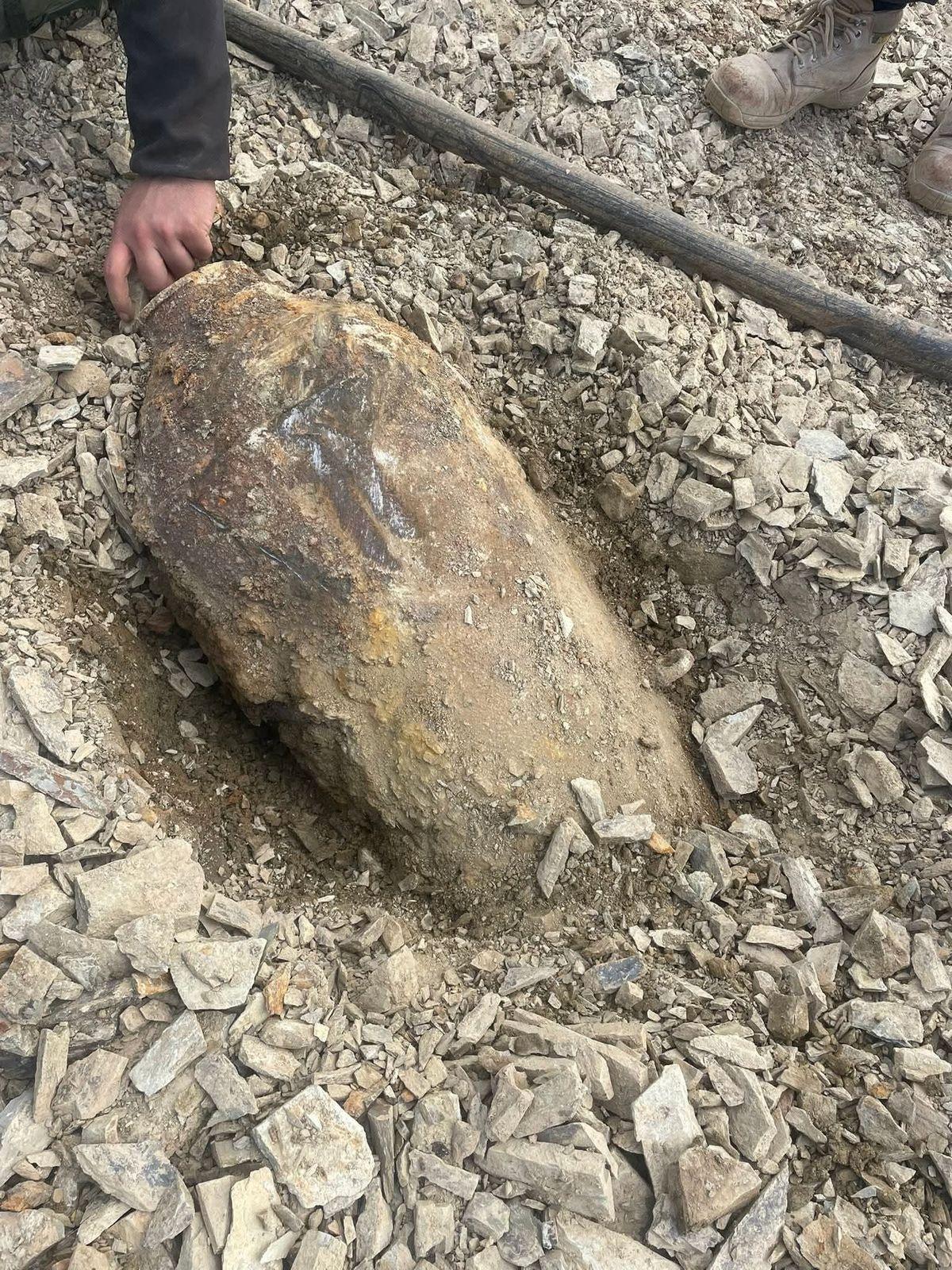
Authorities said the bomb could not be safely relocated because its fuses could not be fully assessed, leading to a decision to detonate it in place.
The BBC quoted Col Nick Handy, saying the “250kg German SC250 bomb could not be moved because its fuses could not be fully assessed,” and added that “Unfortunately we cannot get a definitive X-ray of the second fuse and therefore it's not safe to move that item.”
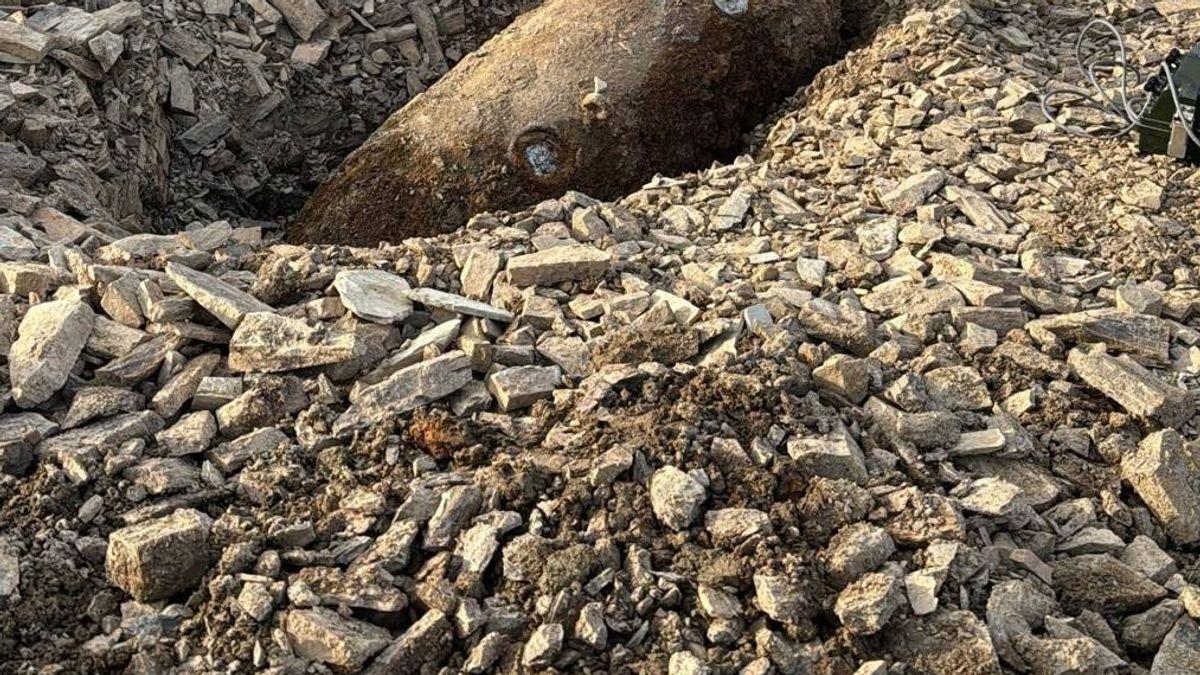
ITVXU similarly reported that “Soldiers have spent today trying to find out what the fuses are,” explaining that “The simple reason is the fuses are the thing which makes it go 'bang'.”
The Independent described the same technical constraint, stating “Unfortunately we cannot get a definitive X-ray of the second fuse and therefore it is not safe to move that item,” and said the council’s assessment concluded “The only safe option is to make the device safe in situ, which will involve a controlled detonation.”
Daily Record also emphasized the fuse issue, quoting Colonel Nick Handy that “the fuses are the thing that makes it go bang” and that “we cannot get a definitive X-ray of the second fuse.”
Sky News said Royal Navy UXO specialists worked through the night assessing the device and that “sand is in place to keep it stable,” while The Independent said specialists were building a “sand mitigation structure” to reduce the impact of the blast.
In addition to the fuse uncertainty, the reporting described mitigation planning designed to limit damage, with the BBC saying teams would work through the night to put large quantities of sand around the bomb to “limit most of the damage.”
ITVXU and Daily Record both quoted Colonel Nick Handy describing efforts to “deflagrate that item and burn it inside of a structure which will limit the damage to the local surroundings.”
The Independent added a specific explosive quantity, saying the device contained “130kg of explosives” and that it was “80 years old and it’s dangerous,” while also quoting Col Handy that “When that thing goes bang for want of a better expression, there will be damage.”
Evacuation centres and schools
As the cordon was enforced, authorities set up places for displaced residents and kept schools closed within the safety zone.
“More than 1,200 homes have been evacuated as a World War Two bomb is set to be blown up in a controlled explosion tomorrow”
GB News said Plymouth City Council put in place measures to support displaced residents at Southway Community Centre, and it added that the Youth and Community Centre was used as an evacuation centre.
ITVXU reported that an evacuation centre had been set up at Southway Youth and Community Centre, and said that “Since it opened, more than 25 households have been placed in temporary accommodation.”
The Independent stated that Southway Youth and Community Centre had been opened for use by evacuated residents and that “Since it opened more than 50 residents have been helped and 25 households placed in temporary accommodation.”
Sky News said the centre “remains open and has supported over 50 residents, with around 25 households placed in temporary accommodation,” and it also said pets were welcome.
The BBC said Southway Youth and Community Centre had been opened as an evacuation centre and that Plymouth City Council was also arranging hotel accommodation for those unable to stay with friends or family.
School closures were repeatedly tied to the cordon, with GB News listing Oakwood Primary School, Little Acorns Pre-School, and Beechwood Primary School as remaining closed for the rest of the week, while the BBC said those schools would remain closed on Friday as safety operations continued.
ITVXU said Oakwood Primary School and Little Acorns Pre‑School were closed because they were located within the 400‑metre safety cordon, and it added that Oakwood School confirmed it would remain closed on Friday 1 May while offering face to face provision for vulnerable children at another school and remote learning for everyone else.
The Daily Record said Oakwood Primary School and Little Acorns Pre‑School would be closed on Friday and that Beechwood Primary School would remain closed as well.
Residents described the disruption and the difficulty of arranging temporary accommodation, with ITVXU quoting Joyce Blackmore saying: “Well it was a bit of a shock because first of all it was 200 metres and then when I went back home to collect a few bits this morning I had a letter from the police saying I had to be evacuated.”
ITVXU also quoted Natasha Granville saying: “It was a bit hectic yesterday, everyone was a bit unsure of what was going to happen,” and described how she had to take a day off because she and her partner had “no family or friends who can put us up.”
Across the reporting, the evacuation was framed as a precaution tied to the ongoing ordnance assessment, with the BBC and GB News both describing warnings not to re-enter the exclusion zone until the operation was complete.
Officials’ warnings and public response
Police and military officials repeatedly urged residents to avoid the exclusion zone and described the evacuation as a safety measure rather than an open-ended disruption.
GB News quoted a Devon and Cornwall Police spokesman saying: “We ask people to please avoid the area at this time. The incident is ongoing,” and it added that the Royal Navy warned “no one should re-enter the exclusion zone for any reason until the operation was complete.”
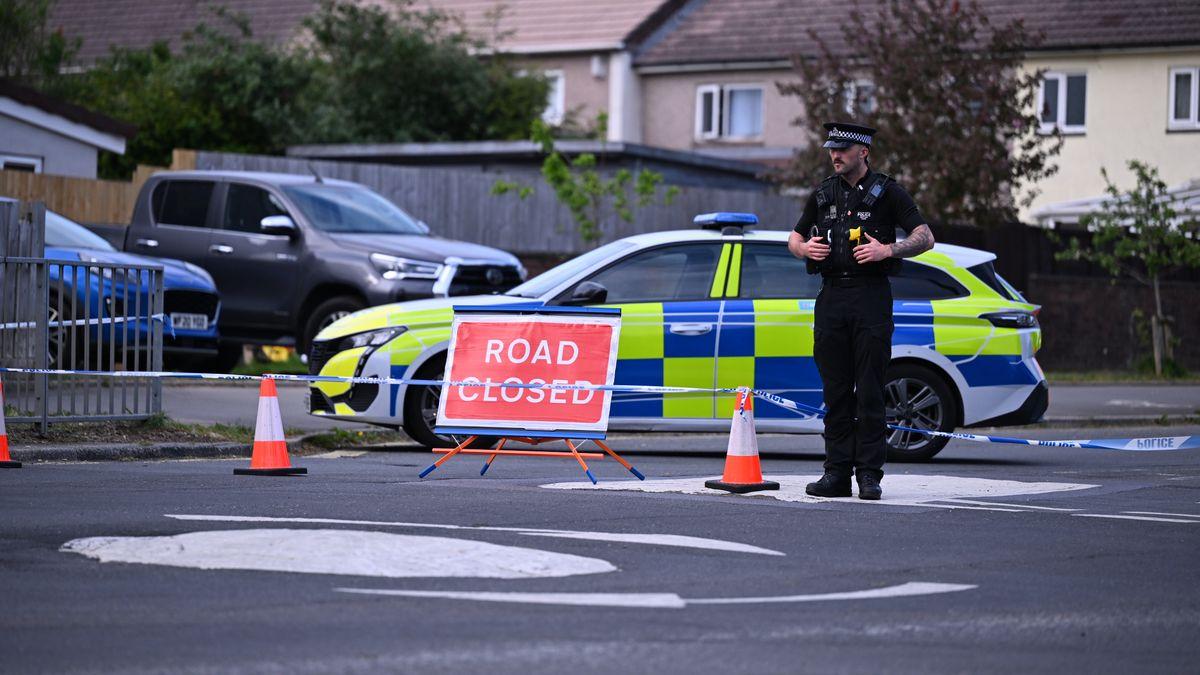
ITVXU reported that Chief Inspector Paul Laity said: “I’d like to thank the public for their patience, as a city we’ve been here before, and I know it’s not ideal, but I want to reassure people that public safety is why we’re doing it.”
The BBC said police and the Royal Navy warned that “no-one should re-enter the exclusion zone for any reason until the operation was complete,” and it described the cordon as part of the controlled destruction plan.
Sky News said the council update warned that “UXO experts can only make the device safe once the area is fully evacuated,” and it quoted the later post advising: “Unfortunately, the clear advice from the Royal Navy is that no one should re‑enter the cordon at this time.”
The Daily Record reported that a no-fly zone was established and that onlookers were warned there would be “nothing to see from a distance,” while it also said “members of the public have been strongly advised to keep well clear.”
In the same reporting, Colonel Nick Handy explained the fuse uncertainty again, saying: “The simple reason is, the fuses are the thing that makes it go bang,” and he added that “Unfortunately we cannot get a definitive X-ray of the second fuse and therefore it's not safe to move that item.”
Plymouth City Council’s support measures were also described in operational terms, with GB News saying residents could go to Southway youth centre where “council and Plymouth Community Homes staff are available to offer support, information and practical assistance.”
ITVXU described door-to-door visits and said the council update was “constantly being assessed as to what we are doing next,” while Plymouth Live quoted Chief Executive Tracey Lee saying authorities were “asking people to prepare for up to two nights.”
Residents’ accounts reflected the uncertainty and the practical consequences, with Joyce Blackmore describing being evacuated after a letter from police and Natasha Granville describing being woken at 3am and losing earnings.
Even as some residents sought to return for essentials, Sky News reported that the Royal Navy’s advice remained that no one should re-enter the cordon at that time.
The overall picture across outlets was a tightly managed perimeter around the ordnance, with repeated emphasis on evacuation compliance, no re-entry, and ongoing expert assessment.
Bomb history and scale
The Plymouth bomb operation was reported against a backdrop of wartime bombing and repeated unexploded ordnance discoveries, with multiple outlets citing historical figures and earlier incidents.
“Police say 1,200 homes to be evacuated 'for up to two nights' after unexploded WWII bomb found Emergency services are responding to an incident in the area of Flamborough Road, Southway, after the discovery of a suspected World War II ordinance Over a thousand homes will be evacuated after an unexploded bomb dating back decades was found”
GB News said the city was a “primary target for the Luftwaffe,” targeting “HMN B Devonport,” and stated that “Between 1940 and 1944, the city suffered 59 bombing raids.”
It also said that “In just one week in 1941, German planes dropped more than 6,000 high-explosive bombs and 200,000 incendiaries,” and that “Experts estimate that approximately 10 per cent of German munitions failed to detonate upon impact.”
The BBC similarly described Plymouth as “heavily bombed during World War Two” and said unexploded ordnance is still occasionally discovered, adding that “In February 2024, more than 10,000 people were evacuated from homes in the Keyham area of Plymouth after a separate wartime bomb was found in a back garden.”
The Independent provided additional historical context, stating there were “more than 50 Luftwaffe air raids on Plymouth between 1941 and 1944, killing 1,174 civilians in the city,” and it said “The first bombs fell on the city on July 6 1940.”
The Independent also referenced a prior ordnance discovery, saying “Two years ago a 500kg German Second World War bomb was found in a garden in the Keyham area of Plymouth,” and that it forced evacuation and was detonated at sea.
While the historical numbers were presented as context rather than part of the immediate evacuation mechanics, they were used to explain why authorities were treating the ordnance as potentially dangerous and why the evacuation was being enforced.
The reporting also included operational details about the cordon’s evolution, with GB News saying the cordon was enlarged to “a 400-metre radius,” and the Daily Record describing how an “Initially a 100m cordon was established” before being extended to “200m” and then “400m.”
Sky News said the cordon was ongoing and that “a 400m cordon in the area is ongoing,” while Plymouth Plus and Plymouth Live described the evacuation as covering about “1,260 households” or “at least 1,200 homes” with residents told they could be out for “up to two nights.”
Taken together, the historical and procedural context in the reporting framed the Plymouth operation as a high-stakes response to a German SC250 device, with sand mitigation, no re-entry, and a large exclusion zone designed around the risk of blast and fragmentation.
More on Britain

Britain Raises Terror Threat To Severe After Antisemitic Stabbing In Golders Green
13 sources compared
UK Raises Terror Threat Level to Severe After Golders Green Stabbing of Two Jewish Men
97 sources compared

Sir Christian Turner Says U.S. Only Special Relationship Is Probably Israel
14 sources compared

British Influencer Rachel Kerr Missing After Checking Out of Caribbean Village Agadir, Morocco
14 sources compared