Europe16 January, 20262 min read
Poland Refuses to Deploy Troops to Greenland, Prioritizes NATO Unity
Poland will not send soldiers to Greenland Poland cited preserving NATO unity and U.S. alliance ties as reason for refusal

11 outlets told this the same way.
Outlets did split on Marco Rubio Urges Europe To Awaken From Slumber In Athens Speech →
Poland declines Arctic deployment
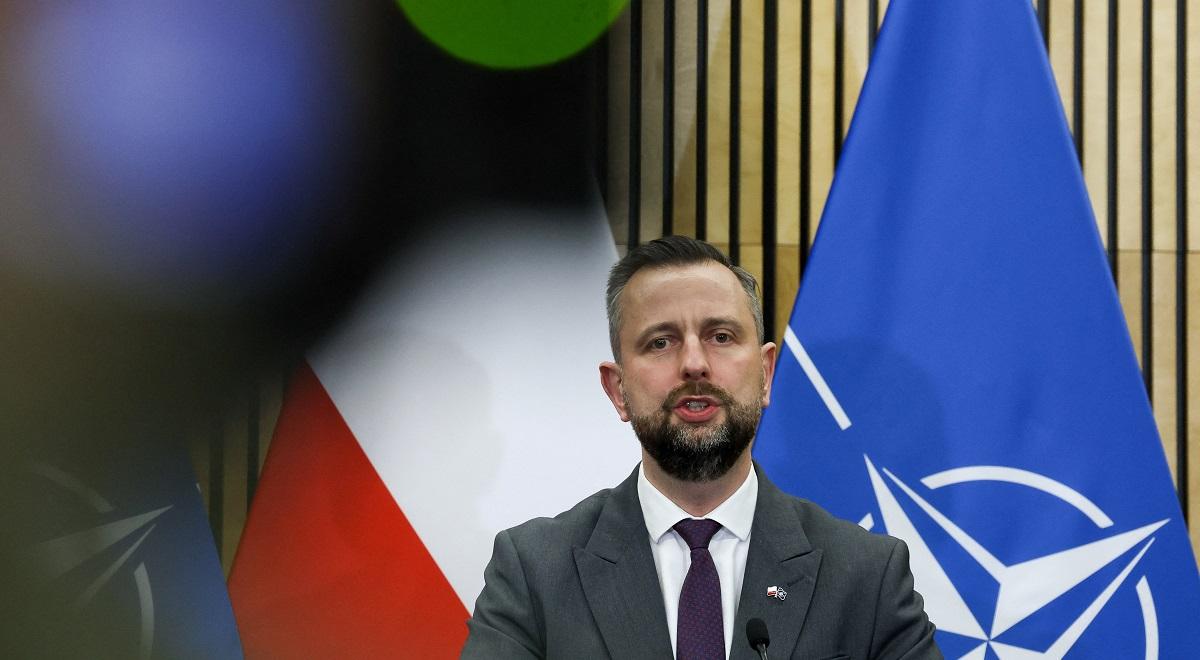
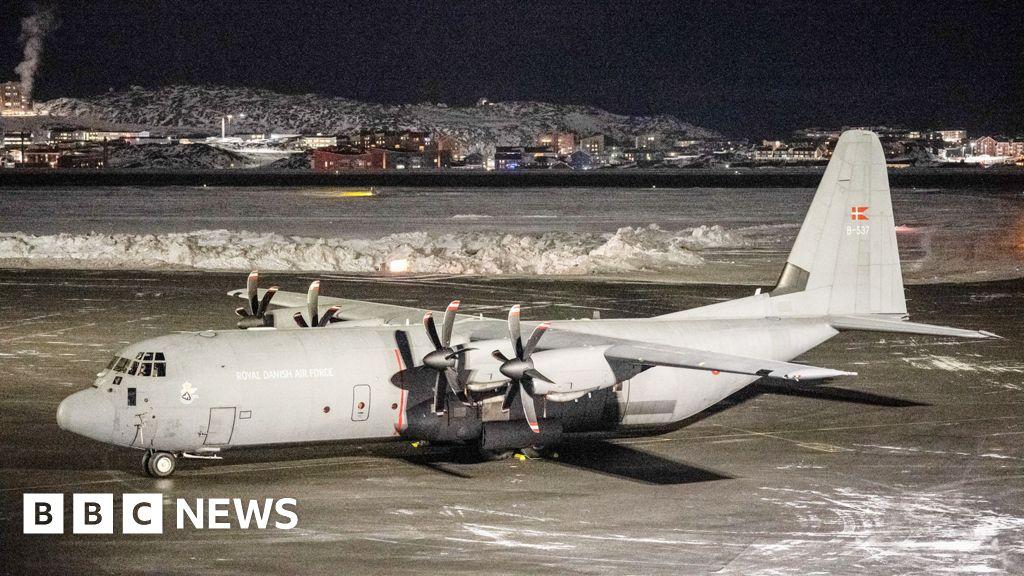
Poland's government declined to join the small multinational military deployments to Greenland and said it will not send troops. The government framed the decision as an effort to preserve NATO unity, to respect Denmark's sovereignty, and to prefer diplomatic channels with the United States. The deployments — involving Sweden, Norway, Germany, the Netherlands, France and Finland — form part of Operation Arctic Endurance.
“Poland declined to join the deployment. Prime Minister Donald Tusk’s government faced criticism from some military figures (including retired General Roman Polko), but deputy PM/party leader Kosiniak‑Kamysz defended the decision as strategic, stressing Poland’s support for Denmark’s sovereignty, a preference for a diplomatic solution with the US, and a desire to avoid rifts within NATO.”
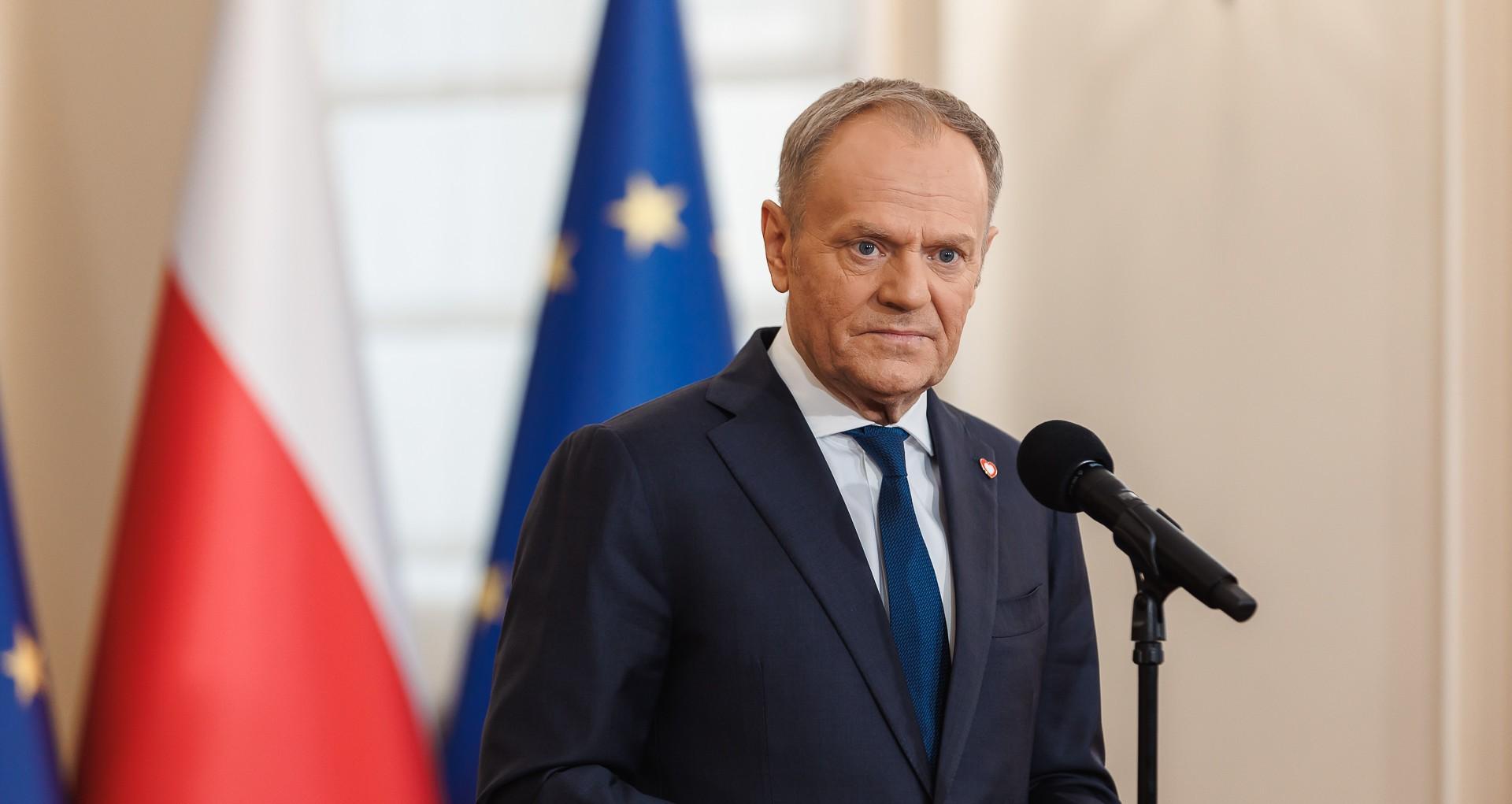
They follow public remarks by former US president Donald Trump suggesting the United States might try to take control of Greenland. Polish leaders, including deputy prime minister Kosiniak-Kamysz, defended the move as strategic, while Prime Minister Donald Tusk warned that any aggression by one NATO ally against another would be catastrophic.

NATO Greenland security debate
Polish President Donald Tusk warned that a U.S. intervention on the territory of a fellow NATO member could destroy the post‑war order and force Europe to consider building a new security architecture with more reliable partners. Several sources quoted or paraphrased him calling such an attack 'a disaster' or 'the end of the world as we know it,' and noted his broader call for respect for Greenland's sovereignty.
At the same time, some European leaders and diplomats urged using NATO mechanisms and dialogue rather than unilateral steps. Italy's Giorgia Meloni told reporters that Greenland security concerns should be handled through NATO and described a ground military intervention as highly unlikely.
Polish leadership responses
Domestically, Tusk's decision prompted both criticism and defenses. Some military figures, including retired General Roman Polko, questioned the refusal to deploy. Coalition partners and officials publicly defended the choice as strategic and aimed at avoiding intra-NATO rifts.
“Poland declined to join the deployment. Prime Minister Donald Tusk’s government faced criticism from some military figures (including retired General Roman Polko), but deputy PM/party leader Kosiniak‑Kamysz defended the decision as strategic...”
Notes From Poland highlights a divergence between Tusk and Poland's president Karol Nawrocki. Nawrocki has been more conciliatory and urged continued talks between Denmark and the U.S., reflecting internal political variation on how to respond to Trump's rhetoric.
Arctic deployments and tensions
The international context remains contested after recent deployments near Greenland.
The deployments followed Mr. Trump’s comments about Greenland, and U.S. officials — including White House spokeswoman Karoline Leavitt — reportedly said European military presence 'would not affect Trump’s thinking' while reiterating U.S. intent to pursue control of Greenland, according to polskieradio.pl.
Russia's embassy criticized NATO's Arctic activity as an excuse to expand its footprint, while some Nordic officials disputed U.S. claims about significant Russian or Chinese naval activity near Greenland.
Observers note that melting Arctic ice and new shipping routes are driving greater military interest in the region and complicating alliance politics.
Poland, Greenland, NATO dispute
Poland's refusal to deploy troops to Greenland is presented across outlets as a deliberate, NATO-focused decision to uphold Danish sovereignty and de-escalate a potential intra-alliance crisis. Sources differ on tone and emphasis, ranging from stark warnings of systemic collapse to reassurances that dialogue and NATO mechanisms will likely contain the dispute.
“Tusk said an attempted annexation of a NATO member by another NATO member would destroy the post‑war order based on NATO solidarity and said no scenario can be fully ruled out given US president Donald Trump’s unpredictability.”
Coverage highlights domestic political divisions and competing international narratives about Arctic threats. Outlets also offer contrasting judgments about the plausibility of a U.S. attempt to take control of Greenland.