Crime22 November, 20252 min read
Police Arrest 13-Year-Old Girl Suspected of Murdering Woman in Swindon
This article is an automated aggregation of coverage from news outlets. Our editorials offer in-depth analysis curated by the NewsCord team.
A 13-year-old girl was arrested on suspicion of murder and remains in police custody. Woman in her 50s found not breathing and declared dead at Swindon home.
13 outlets told this the same way.
Swindon murder investigation
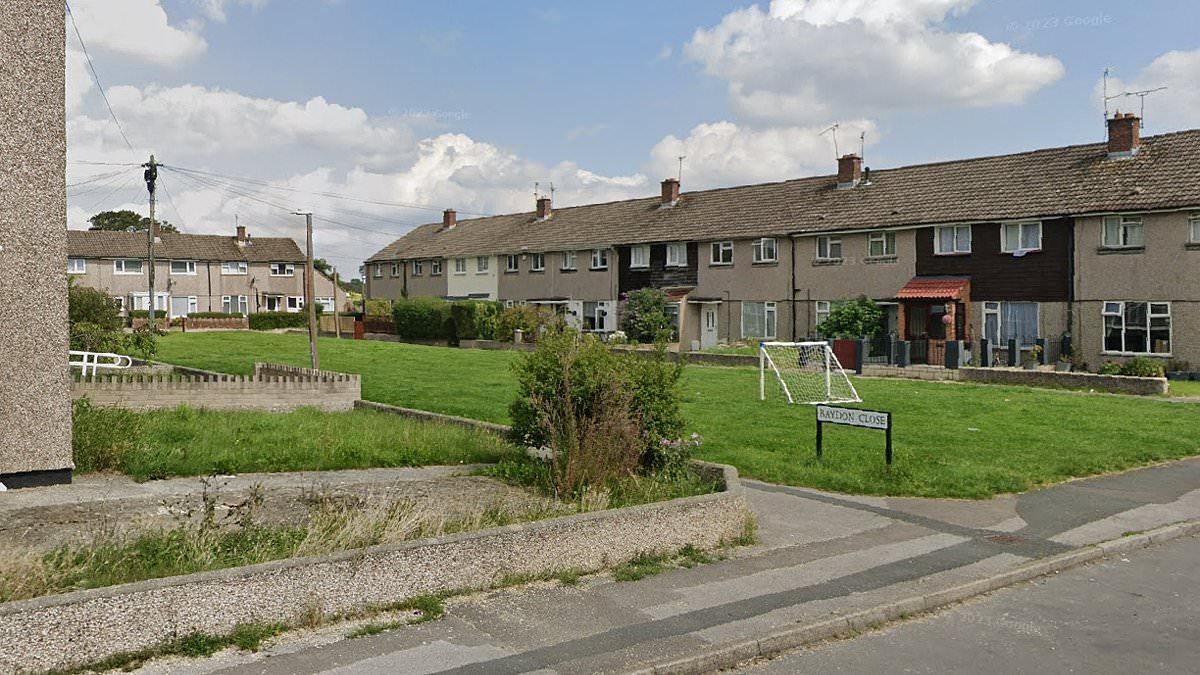
Police in Swindon arrested a 13-year-old girl on suspicion of murder after officers responding to reports of a disorder found a woman in her 50s unresponsive at a house on Baydon Close in the Moredon area. Emergency services declared the woman dead at the scene, and the suspect remains in custody as Wiltshire Police have launched a murder investigation. Reports place the incident on the night of Friday, November 21, and police have asked the public not to speculate while inquiries continue.
“Police have asked the public not to ‘speculate’ after a 13-year-old girl was arrested on suspicion of murder in Swindon. The teenager was detained following an incident on Friday evening at a house in Baydon Close, Moredon, where officers responding to reports of disorder found a woman in her 50s not breathing; she was later declared dead at the scene.”
Police investigation update
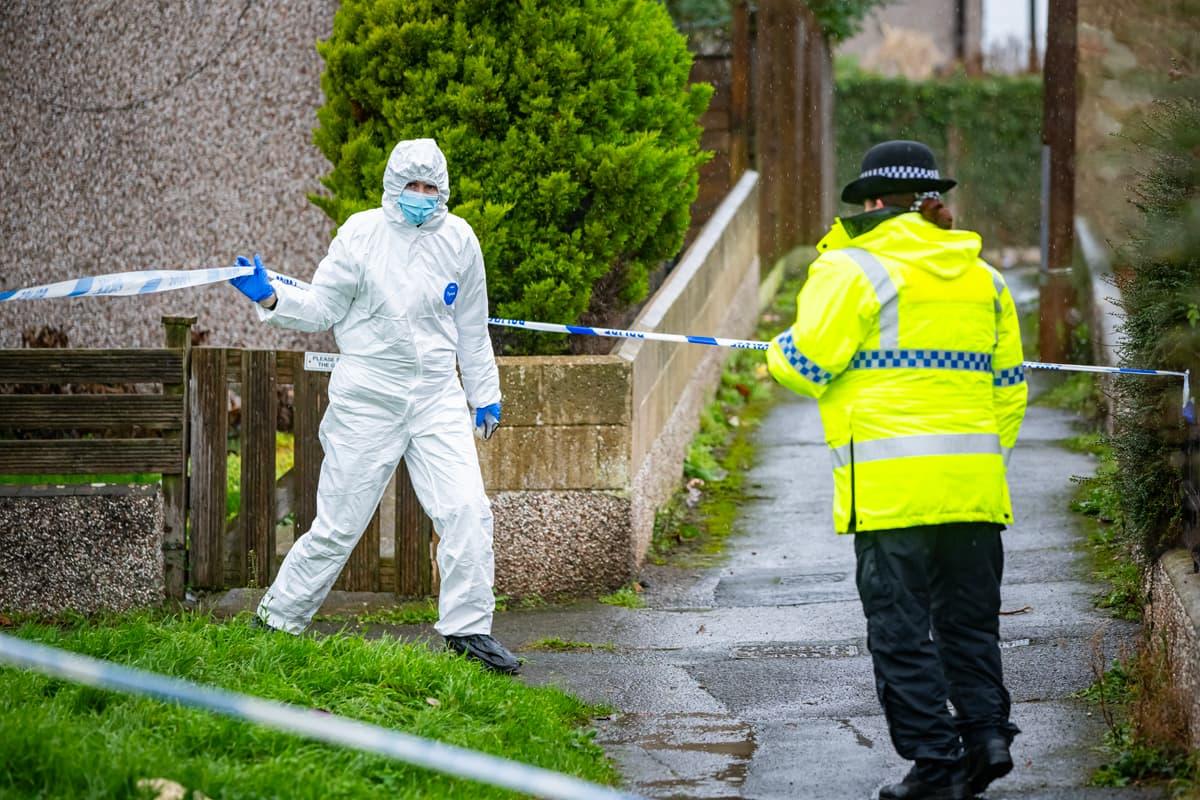
Wiltshire Police have established a cordon and deployed increased patrols while the Major Crime Investigation Team conducts inquiries. Detectives say they are not looking for anyone else in connection with the death.
DI Darren Ambrose is urging the public to avoid speculation as the investigation continues. Local reporting notes officers arrived after calls about disorder and placed the scene under an emergency cordon as enquiries proceed.

Media coverage differences
Coverage diverges in tone and terminology when describing the suspect and the victims' situation. National mainstream outlets like The Guardian call the detained minor a "13-year-old schoolgirl," while tabloids and local outlets use terser, fact-focused phrasing such as "13-year-old girl" or "only suspect." Some outlets explicitly note the victim's next of kin have been informed; others focus more on the procedural aspects and public safety reassurances.
“A 13-year-old schoolgirl was arrested on suspicion of murder after police responding to reports of a disorder in Baydon Close, Moredon, Swindon, at about 7pm on Friday found a woman in her 50s unresponsive inside a house.”
Media coverage of police response
Several outlets emphasise procedural and community impacts. Local papers note cordons and increased patrols in the neighbourhood. National outlets stress police requests for restraint and the Major Crime Investigation Team's involvement.
Tabloid pieces tend to be shorter and focus on immediate facts such as the arrest, the time, and that next of kin were informed. Local reporting, exemplified by the Swindon Advertiser, adds detail about the emergency cordon and increased patrols.
Gaps in media reporting
Important gaps and ambiguities remain in media reporting. None of the provided sources disclose the identity of the victim or suspect, and the cause or manner of death is not specified beyond police treating it as a murder. No motive is reported.
“The woman, who had no other reported injuries, was declared dead at the scene and her next of kin have been informed.”
Two listed outlets show no accessible article text in the snippets provided, indicating either unavailable content or missing reporting in those channels. Until police release further details, motive and circumstances beyond the immediate police actions remain unclear.
