Crime14 November, 20252 min read
Police Charge Jonathan David Carley After He Impersonates Rear Admiral Wearing Fake Medals at Remembrance Service
Jonathan Carley, 64, of Harlech, Gwynedd, has been charged. Police charged him with wearing uniform bearing the mark of His Majesty’s Forces without permission.
14 outlets told this the same way.
Impersonating Royal Navy admiral
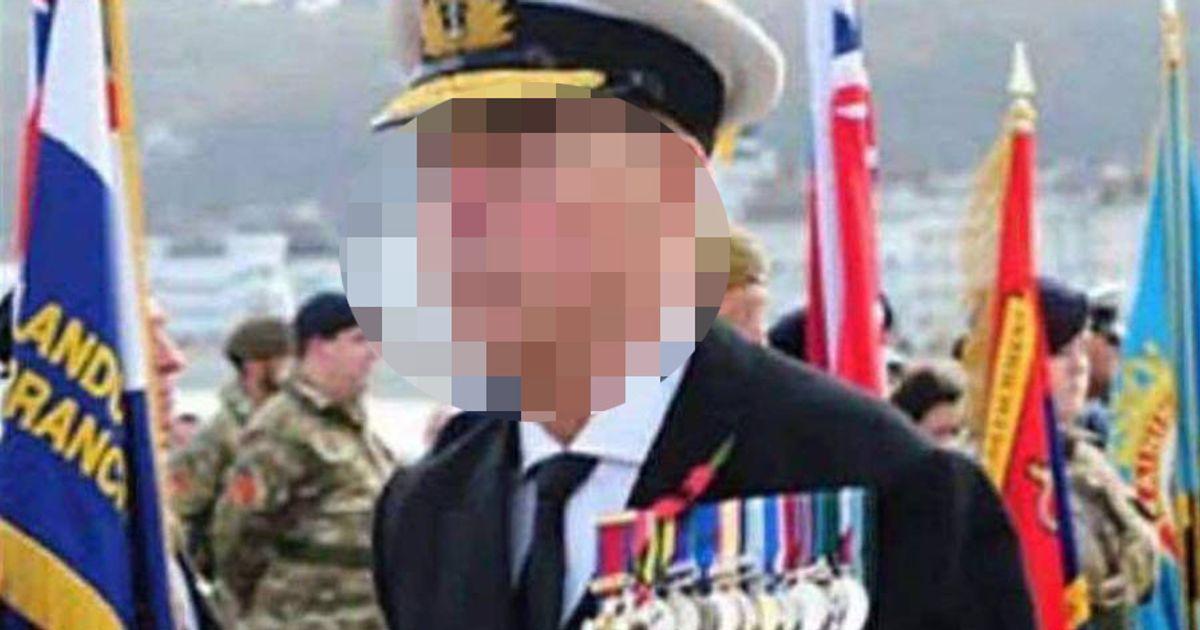
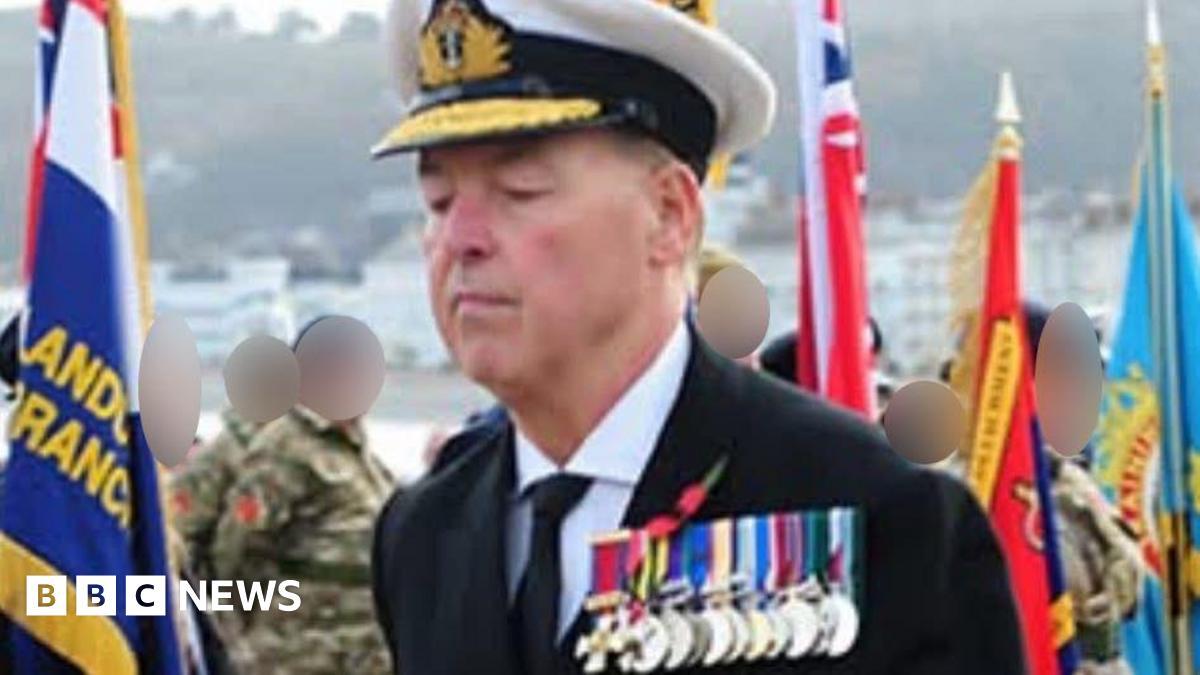
A 64-year-old man identified in many reports as Jonathan David Carley (or Jonathan Carley) has been charged after allegedly posing as a Royal Navy rear admiral at a Remembrance Sunday wreath-laying service in Llandudno. Photographs showed a man in a rear-admiral uniform wearing around a dozen medals.
“A 64-year-old man, Jonathan Carley of Harlech, Gwynedd, has been charged after allegedly attending a Remembrance Day ceremony dressed as a Royal Navy rear admiral.”
Police say he was arrested at his home and charged with 'wearing a uniform or dress bearing the mark of His Majesty's Forces without permission', and he is due to appear at Caernarfon Magistrates' Court on 11 December. Authorities say the incident sparked public concern and inquiries are ongoing.
Imposter at remembrance ceremony
Witnesses and footage reported that the man stood and saluted alongside genuine officers and veterans during the two-minute silence and wreath-laying. Organisers briefly challenged him but, after he claimed to represent the Lord Lieutenant's office, allowed him to join the ceremony. Organisers later said no rear admiral was expected.
The Lord Lieutenant is reported to have denied that he represented the office. Amateur sleuths and a military enthusiast group raised doubts about the authenticity of his kit. Police searched his home and recovered the uniform and medals.
Uniform and medal controversy
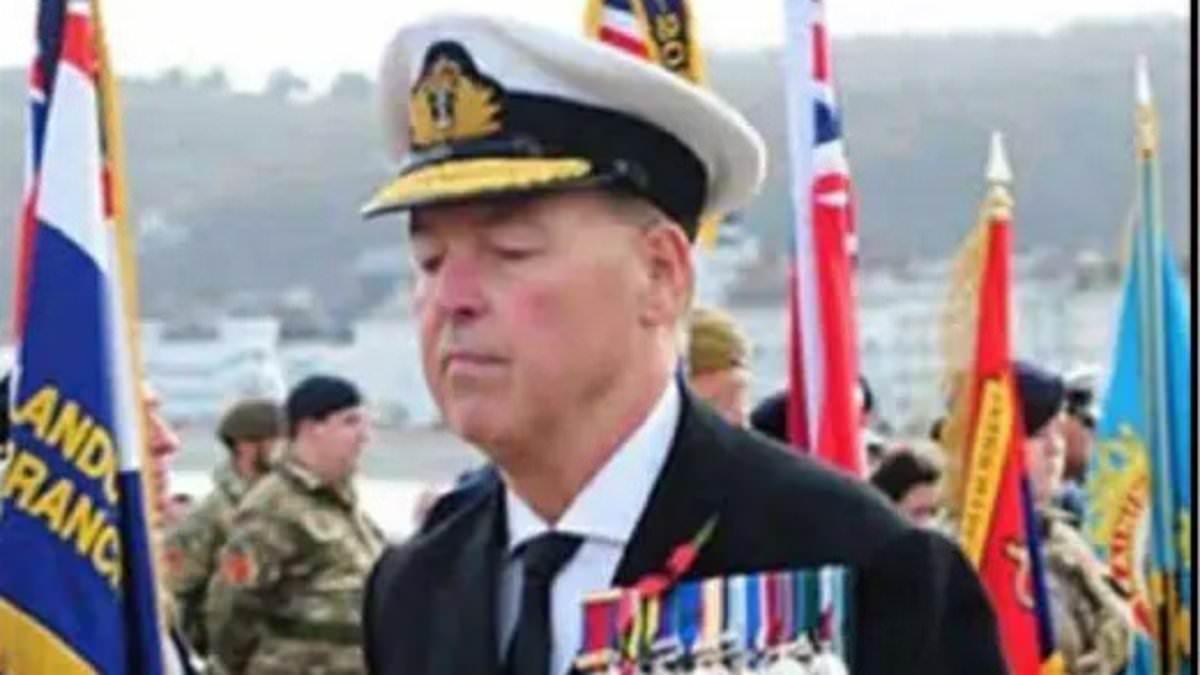
Multiple outlets reported the uniform included about a dozen medals. Experts and observers flagged an implausible combination, notably the Distinguished Service Order (DSO) alongside the Queen's/Volunteer Reserves Medal, which prompted scrutiny.
“Photographs showed him wearing rear admiral insignia and a row of 12 medals, including the Distinguished Service Order and the Queen’s Volunteer Reserves Medal...”
Police recovered a naval uniform and a selection of medals during a search of his address. The Ministry of Defence and Royal Navy warned that impersonating an officer can be a criminal offence and is insulting or offensive to service personnel.
Arrest over military uniform
Reports say he was arrested on suspicion of offences relating to the unlawful use of military uniforms. He has been charged with wearing a uniform bearing the mark of His Majesty’s Forces without permission, and some outlets cite the Uniforms Act 1894 as the basis for the arrest. North Wales Police cautioned the public about online speculation and said inquiries continue ahead of his court appearance.
Media responses to impostor case
Media reaction pieces and analysis connect the incident to wider concerns about 'stolen valour' and past impostors. They also urge restraint pending court proceedings. The Telegraph places the case in the context of previous high-profile impostors and explicitly uses the phrase 'stolen valour'.
“The case has reignited attention to the widespread phenomenon of ‘stolen valour’ (or ‘Walts’ in Britain)...”
Tabloids and local press record strong condemnation from veterans and the Royal Navy. Broadcasters emphasize police appeals not to speculate online to avoid prejudicing the case.
