Crime18 December, 20252 min read
Police Identify Portuguese National as Suspect in Brown University Mass Shooting, Launch Manhunt in Killing of MIT Professor
This article is an automated aggregation of coverage from news outlets. Our editorials offer in-depth analysis curated by the NewsCord team.
Authorities identified a Portuguese national as the suspect in the Brown University mass shooting MIT physicist Nuno F.G. Loureiro was shot in his Brookline home and died

73 outlets told this the same way.
Brown University shooting manhunt
Authorities have launched an expanding manhunt after multiple outlets reported that Providence law enforcement identified a suspect and issued an arrest warrant in the Brown University mass shooting that killed two students and wounded nine. Mainstream outlets described active searches and appeals for public tips. Several local and national outlets reported the suspect is a Portuguese national.
“Police have issued an arrest warrant for a suspect in the Brown University mass shooting that killed two people and injured nine, CBS News reports.”
Investigators are examining links to a rented vehicle seen near crime scenes. Officials said investigators are canvassing areas including neighboring New Hampshire as the inquiry continues.

Attack investigation updates
Investigators described a fast-moving, evidence-focused probe into the Brown attack. Police canvassed neighborhoods, collected DNA swabs, and asked for home-security and dashcam footage. They released enhanced images and maps showing where a person of interest was seen.
Authorities said they were sifting through hundreds of tips and searching for a rented vehicle believed to be associated with the attack. Reporting noted physical evidence, including shell casings and other forensic material, was being processed as part of the manhunt.

Homicide of MIT Professor
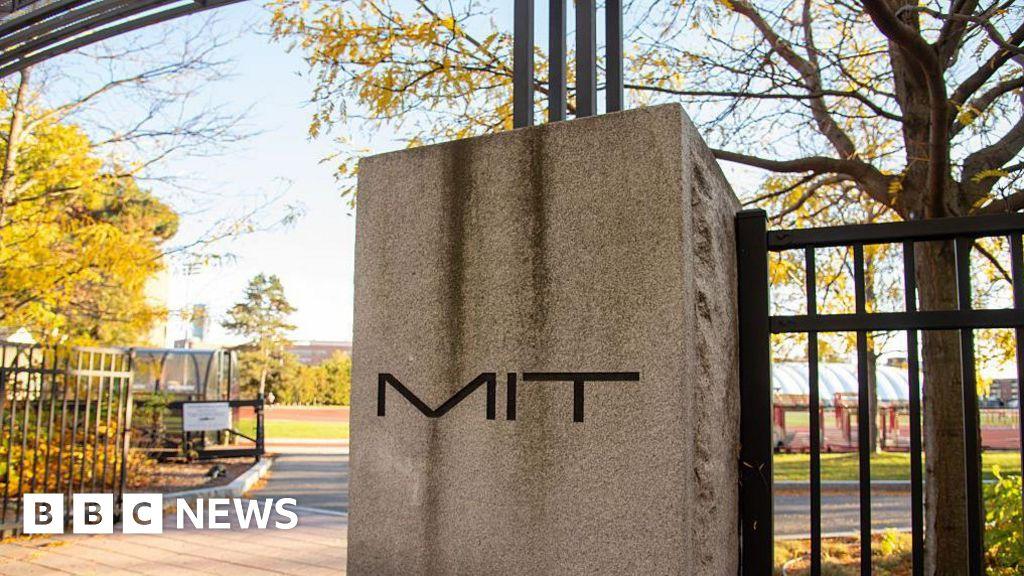
Two days after the Brown attack, MIT professor and fusion scientist Nuno F.G. Loureiro, 47, was found shot at his Brookline home and later died, prompting a separate homicide investigation.
“Loureiro, 47, an MIT professor of nuclear science and engineering, was shot at his home in Brookline, near Boston, on Monday night and died Tuesday.”
Authorities reported shell casings and wall impacts at the scene and canvassed the neighborhood for surveillance video.
Officials said no suspects were in custody while the probe remained active.
Loureiro, who joined MIT in 2016 and was named director of the Plasma Science and Fusion Center in 2024, was mourned by colleagues and public officials as investigators intensified searches and reviewed records for leads.
Conflicting reporting on killings
Whether the Brown and Brookline killings are connected remains disputed in reporting. Several mainstream sources, led by law-enforcement statements, said the FBI and investigators saw no known link at certain points. Some local and partisan outlets reported an emerging connection and identified a suspect nationality.
Tabloids cited speculative claims that linked the MIT killing to possible foreign actors. Officials and U.S. investigators had not corroborated those claims in the reporting provided.
Media and community reactions
Community and official reactions diverged in tone across coverage. Mainstream and local outlets emphasized restraint, counseling and verified updates as police urged the public to avoid speculation. Alternative and tabloid outlets foregrounded alleged leads and nationality claims.
“Brookline officials — including the select board chair, Police Chief Jennifer Paster and the school superintendent — issued condolences, urged patience, announced increased neighborhood security and counseling for those affected, and asked the public to rely only on verified updates from the Brookline Police and Norfolk DA...”
MIT leaders, Portuguese officials and colleagues described Loureiro as a respected mentor and lauded his scientific work. Candlelight vigils, increased security in Brookline and campus outreach were widely reported as officials asked for patience while forensic work and canvassing continued.