Polls Show Likud Leading as Bennett-Lapid Yahad Alliance Challenges Netanyahu
Key Takeaways
- Bennett-Lapid union has not produced a decisive breakthrough against Netanyahu in polls.
- Realignment signals broad political shifts, but no clear alternative to Netanyahu.
- Together party formation shows rising interest but unclear electoral impact.
Gaza war backdrop
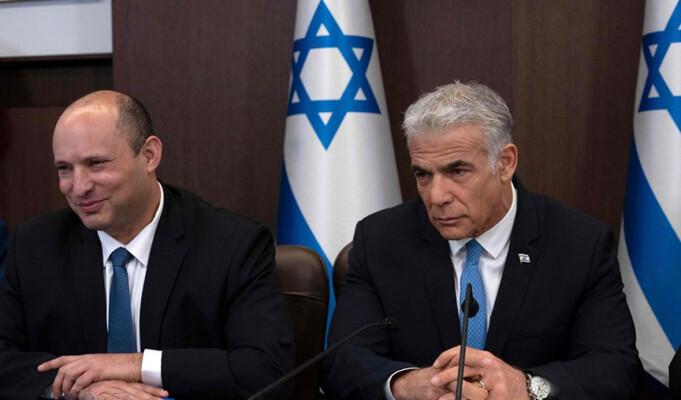
Israel’s political contest over the Gaza war backdrop is being shaped by the new “Yahad (Together)” alliance between Naftali Bennett and Yair Lapid, which France 24 says is being formed to contest elections due to be held by the end of October and to oust Prime Minister Benjamin Netanyahu.
“A new Israeli public opinion poll, the first since the announcement of the union between Naftali Bennett and Yair Lapid, shows that this alliance is not currently serving the opposition bloc to Prime Minister Benjamin Netanyahu, as their strength declines compared with its previous standing as two separate parties”
France 24 reports that Bennett announced the merger into Yahad under his leadership and said, "night they unite and establish the party Yahad under his leadership, a party that will lead to a great victory and open a new era for our beautiful country."
In parallel, i24NEWS says its poll found Likud leading with 33 seats, followed by the Bennett-Lapid “Together” party with 24 seats, and Shas in third place with 11 seats if elections were held today.
i24NEWS also reports that the poll asked which candidate should lead the opposition bloc to Netanyahu, with 46% saying that neither Eisenkot nor Bennett was suitable to lead the bloc, and 37% saying Bennett was suitable.
The same i24NEWS poll tested whether respondents support pursuing an indictment deal with Netanyahu, with 34% supporting it in exchange for Netanyahu stepping down from political life, while 31% supported it provided he can remain in the position of prime minister.
Polls diverge sharply
Across outlets, the Bennett-Lapid alliance is portrayed as stirring upheaval without producing a decisive upset, with الجزيرة نت saying the overall picture does not show Netanyahu has fallen or that the opposition has decided the alternative.
الجزيرة نت frames the seat gap as a product of audience and measurement, writing that "The gap in numbers. The strength of the joint list “Ma’a” ranges from 20 seats in Channel 14’s poll" to 27 in Walla/Maariv.
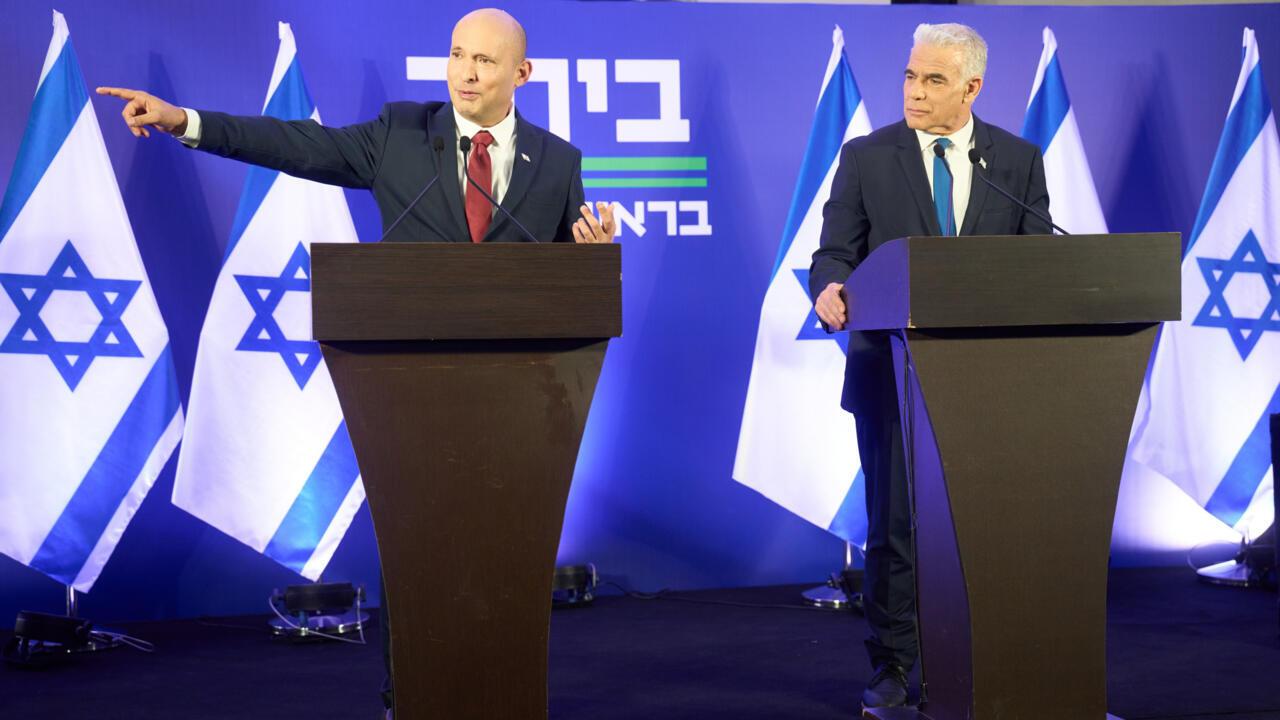
In contrast, Walla’s poll described by Elnashra shows the Bennett-Lapid Yahad party winning 27 seats, four fewer than the combined strength of Bennett's party and Yesh Atid in previous polls, while Likud remains the largest with 28 seats.
Elnashra also reports that Walla’s results put the Zionist opposition bloc at 59 seats versus 51 for the Netanyahu bloc, with Arab parties winning 10 seats and neither bloc reaching the 61-seat threshold needed to form a government.
Elnashra further says the poll indicates the alliance did not fundamentally change the balance of blocs, while Gadi Eizenkot’s Yachad party rises to 15 seats, strengthening his position within the opposition camp.
What’s at stake next
The stakes in the post-Netanyahu political realignment are repeatedly tied to whether the “Change” camp can reach the 61-seat threshold without Arab party support, with الشرق للأخبار saying polls show the opposition camp remains unable to reach that threshold necessary to form a government.
“Since the last poll conducted two weeks ago, the largest opposition party to the current government, led by former Prime Ministers Naftali Bennett and Yair Lapid, has lost three seats, dropping to 23, while Prime Minister Benjamin Netanyahu's Likud maintained its 25 seats, according to a poll published Monday”
الشرق للأخبار adds that the two camps continue to refuse to rely on Arab parties, reinforcing the likelihood of Israel moving toward a new round of elections.
Haaretz reports a separate poll finding that Bennett and Lapid’s Beyahad (Together) would win 23 seats, down three seats, while Netanyahu’s Likud would remain the largest party with 25 seats if elections were held today.
Haaretz also says Netanyahu’s bloc would still fall five seats short of forming a coalition, holding only 56 seats, and that neither side appears able to form a coalition without the support of at least one Arab party.
In the same Haaretz account, the paper says the poll projected that a joint slate of Balad with Hadash and Ta'al would become the third-largest party with 16 seats, dropping Likud to 23 seats and Beyahad to 21, leaving the coalition bloc at 53 seats and the Jewish opposition bloc at 51 seats.
More on Gaza Genocide

Israel Strikes Gaza, Kills Hamas Military Chief Mohammed Odeh, Netanyahu Says
16 sources compared

Ireland Plans Mid-July Goods Ban on Israeli Settlements in the Occupied West Bank
12 sources compared

Israel Expropriates 110 Dunams Near Nabi Samuel Mosque, Palestinians Condemn Judaization Campaign
10 sources compared

Israeli Air Strike Kills Three, Including Six-Month-Old, In Nuseirat Refugee Camp
10 sources compared