Lebanon03 December, 20252 min read
Pope Leo XIV Prays at 2020 Beirut Port Explosion Memorial
Pope Leo prayed at the 2020 Beirut port explosion memorial, consoling victims' relatives. Pope Leo celebrated Mass on the Beirut waterfront before about 150,000 worshippers.
25 outlets told this the same way.
Outlets did split on Lebanon’s Judiciary Prepares To Apply General Amnesty Law No. 70, Judge Ahmed Rami Al-Hajj Says →
Pope's Beirut memorial visit
Pope Leo XIV concluded the final day of his first overseas trip by praying at the scarred site of the August 2020 Beirut port explosion. He paused beside the last standing grain silo and met survivors and relatives who held up photos of loved ones. Reports describe him grasping hands, offering individual blessings and lighting a lamp at the memorial.
Relatives and bereaved families pressed for justice as he prayed and laid wreaths at the ruined port area. The visit was framed as both a pastoral gesture and a public appeal for accountability amid Lebanon’s broader crises.

Memorial mass attendance
A large waterfront Mass followed the memorial visit and drew crowds counted differently across outlets, with multiple international reports estimating about 150,000 attendees while a local account said more than 120,000 had registered. Observers described enthusiastic, multi‑faith turnouts, and some outlets used vivid, rockstar‑style language. Commentators compared the turnout to past papal visits and noted it was smaller than crowds for previous popes, reflecting Lebanon’s ongoing population exodus and crises.
Papal pastoral visit
The pope's pastoral engagements extended beyond the blast memorial. He visited a psychiatric and mental-disability hospital, praised caregivers, invoked the presence of Jesus among the sick, and likened compassionate staff to the Good Samaritan. Religiously oriented outlets foregrounded these pastoral and spiritual messages, while other media reported the visit as part of a broader programme of consolation for those affected by Lebanon's economic collapse and fears of conflict.
“At the hospital he was welcomed by Mother Marie Makhlouf and addressed staff and patients, emphasizing that Jesus dwells among the sick and those who care for them.”
Pope's Lebanon appeal
Politically, the pope used the platform to urge Lebanon's leaders and religious communities to cast off sectarian and political divisions and to pursue truth and reconciliation after years of paralysis, conflict, and economic collapse.
Some outlets frame these admonitions narrowly as matters of Lebanese domestic recovery and accountability, while others link his remarks to wider regional tensions and report private diplomatic discussions and the papacy's broader stances on issues such as Israel and Palestine.
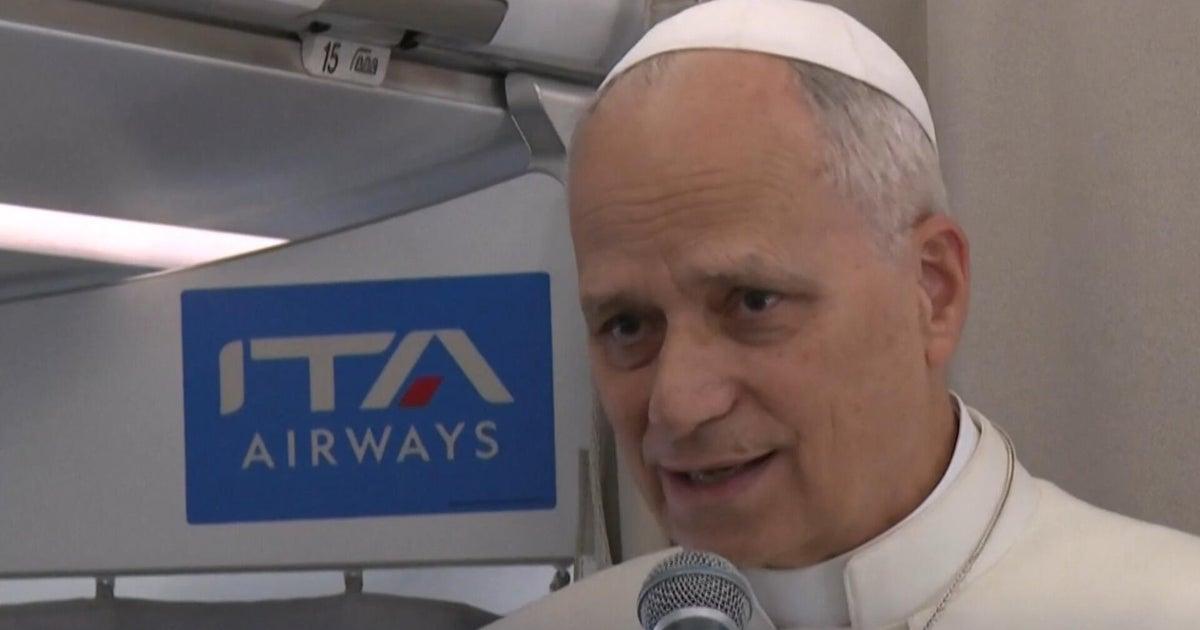
Reactions to pope's visit
Across outlets there is both hope and skepticism about what the pope’s visit will accomplish on accountability and long-term recovery. Several reports stress the legal and political impunity surrounding the blast, pointing to stalled probes and no convictions. Other reports emphasize the visit’s symbolic unity and pastoral comfort, but note it remains unclear whether the international attention sparked by the pope will translate into concrete action.