Lebanon01 December, 20253 min read
Pope Leo XIV Prays at Beirut Blast Site in Historic Visit
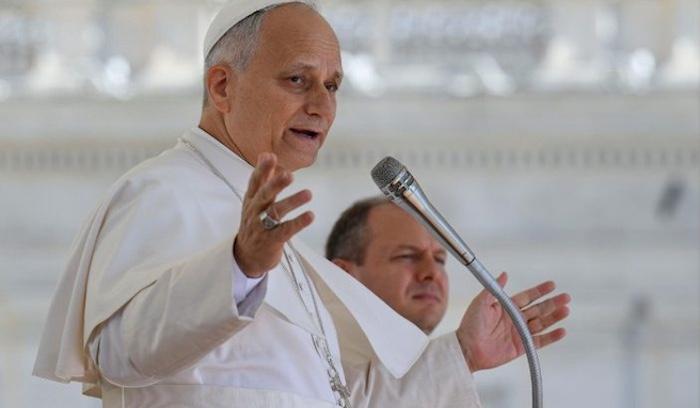
Pope Leo XIV prayed at the 2020 Beirut port explosion site. He celebrated Mass on Beirut waterfront attended by about 150,000 worshippers.
50 outlets told this the same way.
Outlets did split on Lebanon’s Judiciary Prepares To Apply General Amnesty Law No. 70, Judge Ahmed Rami Al-Hajj Says →
Pope's Beirut visit
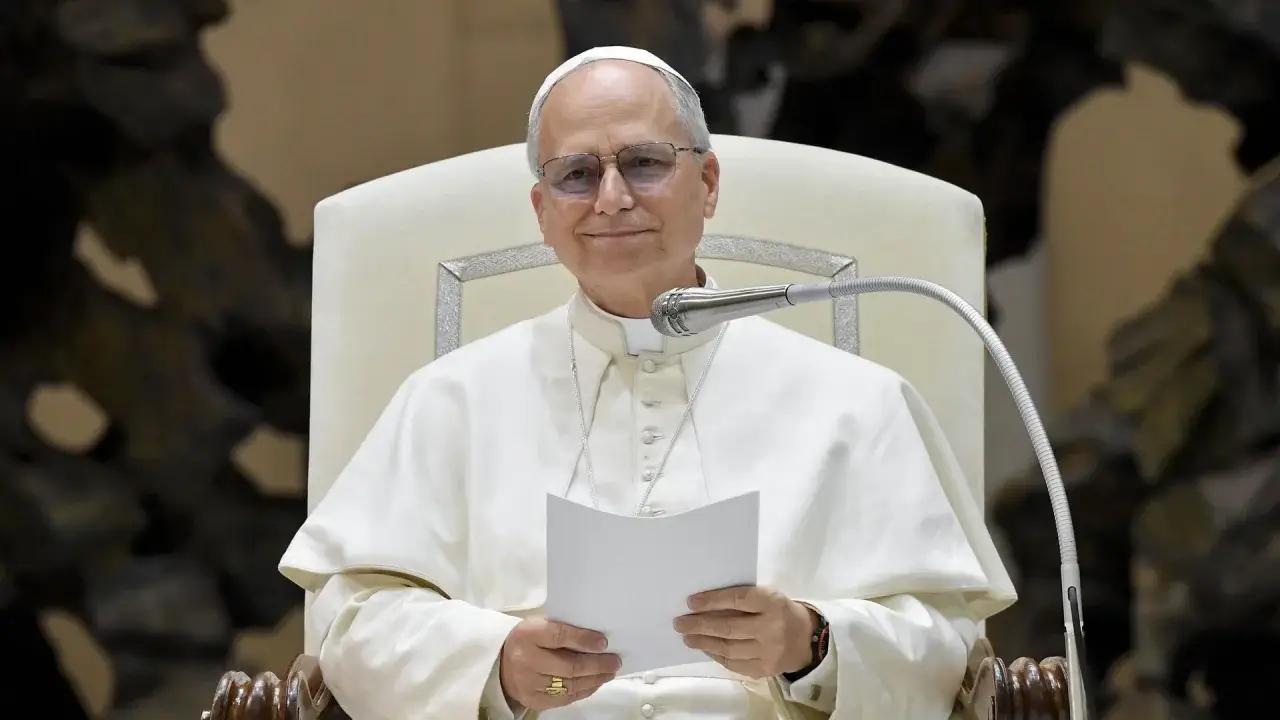
Pope Leo XIV’s three-day visit to Lebanon culminated at the Aug. 4, 2020 Beirut port blast site, where he prayed, laid wreaths and met survivors and bereaved relatives still seeking accountability.
“Pope Leo’s first international trip as head of the Roman Catholic Church to Lebanon was rich in symbolism, drawing families, officials of different faiths and U.N. peacekeepers to a waterfront Mass despite closed roads and visible scars from the country’s recent traumas.”
He used the visit as a symbol of solidarity and a call for national healing.
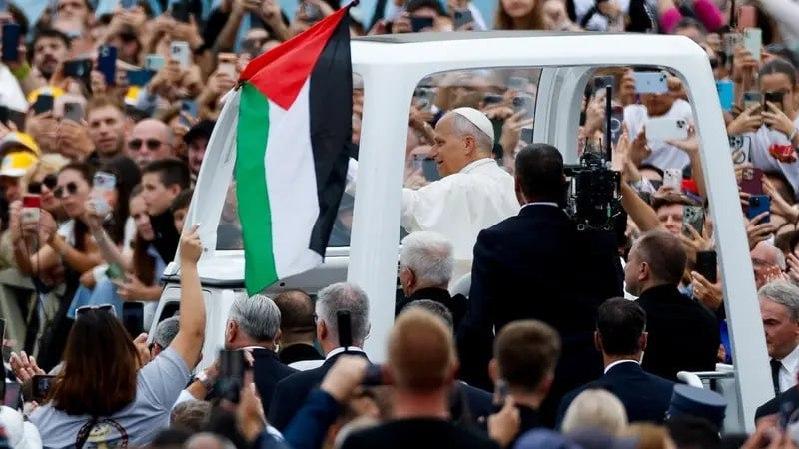
Coverage described a highly symbolic waterfront Mass that drew large crowds and members of multiple communities, including Christians, Muslims and unaffiliated citizens, despite heavy security and closed roads.
Reporters said the visit functioned as both pastoral consolation and moral pressure for truth and justice.
They noted it briefly united a fractured society in prayer while spotlighting Lebanon’s economic collapse, political paralysis and the long-running, obstructed judicial inquiry into the explosion.
The pope repeatedly tied those themes to a broader appeal for reconciliation and the rejection of violence.
Pope's gestures after blast
At the blast site, the pope's gestures — a moment of silence, rosaries given to bereaved relatives, a lamp lit at the memorial — were widely reported as intimate acts meant to acknowledge loss and sustain calls for accountability. Multiple outlets recorded meetings with grieving families and hospital visits (De La Croix and Hospital de la Croix), and victims' relatives welcomed the pope's prayers while insisting that prayer alone will not substitute for a transparent, effective investigation. Several reports underline that the judicial probe remains stalled and obstructed, and families pressed the pope and international observers to keep up pressure for legal answers.
Papal messages in Lebanon
Beyond the blast site, the pope used his platform to press Lebanon’s leaders to 'cast off the armour of our ethnic and political divisions' and to seek truth, reconciliation and justice, language reporters link to the country’s political paralysis, economic collapse and last year’s clashes. Internationally, he reiterated the Vatican’s longstanding support for a two-state solution to the Israel–Palestine conflict and offered the Holy See as a potential mediator, while outlets reported his in-flight comments with varying emphasis on Israel's reaction. He also framed the trip as a warning that global conflicts imperil humanity’s future, pointing to Ukraine, Gaza and other wars as part of a broader appeal for peace and interfaith cooperation.
Reception and limits
The trip was widely welcomed in public displays but was also criticized for what it did not achieve. Reports recorded tens of thousands at the Beirut waterfront, with the Vatican and multiple outlets citing roughly 150,000 and enthusiastic crowds waving Vatican and Lebanese flags. There was a tightly secured motorcade and expressions of appreciation from groups across the spectrum, including an unusual open letter from Hezbollah.
Commentators and some residents noted the pope did not visit certain war-affected villages, which highlighted limits to his outreach. Coverage combined images of a 'rock‑star' welcome and interfaith warmth with reminders of security constraints and political sensitivities that shaped what the visit could accomplish.
Media coverage of the visit
Reports consistently note the same central facts: prayer at the blast site, meetings with families and hospital visits, an appeal for unity and a reaffirmation of a two-state solution. Sources differ on the likely impact and dominant narrative, with some emphasizing pastoral consolation and interfaith unity and others stressing political pressure for accountability and diplomatic momentum. Some reporters and analysts portray the trip as a moral boost for victims and a possible lever for renewed international attention.
Others warn that symbolism alone cannot substitute for legal accountability or a diplomatic breakthrough. The coverage leaves readers with a clear sense of the visit’s human and moral intentions while highlighting unanswered questions about justice, reconstruction and political follow-through.