Europe17 October, 20252 min read
Portugal Parliament Bans Burqas and Niqabs in Public, Imposes Heavy Fines
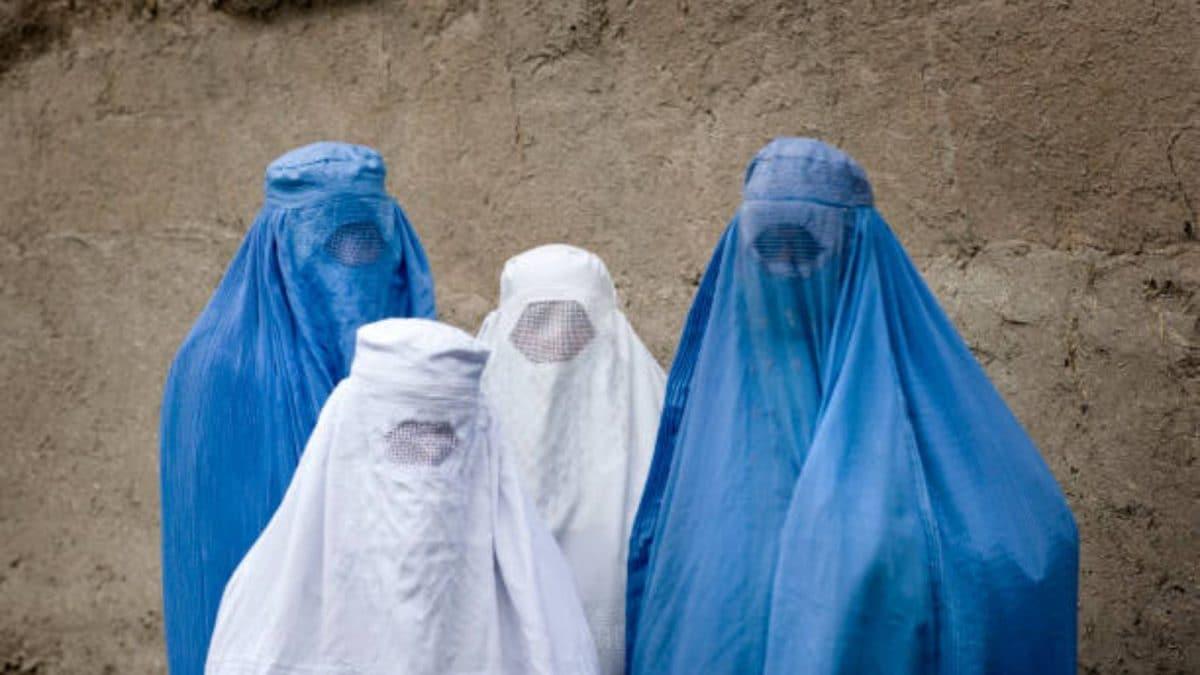
Portugal’s parliament approved a bill banning burqas and niqabs in most public spaces. The bill was proposed by the far-right Chega party and supported by center-right parties.
25 outlets told this the same way.
Outlets did split on Marco Rubio Urges Europe To Awaken From Slumber In Athens Speech →
Portugal's Face Veil Ban
Portugal’s parliament has approved a bill proposed by the far-right Chega party to ban face veils such as the burqa and niqab in most public places. The ban includes exceptions for airplanes, diplomatic premises, and places of worship. Violators of the ban would face fines ranging from 200 to 4,000 euros.
“Portugal's parliament approved a bill banning face veils worn for gender or religious reasons in most public places... Violators face fines ranging from 200 to 4,000 euros. The bill now awaits approval from President Marcelo Rebelo de Sousa.”
The bill now awaits a decision by President Marcelo Rebelo de Sousa. Several outlets describe the measure as targeting garments worn for gender or religious reasons by some Muslim women.
Details on Face Veil Legislation
Several Asian and West Asian outlets add further punitive and procedural details regarding the legislation on face veils. Fines range from 200 to 4,000 euros for wearing face veils. There are prison terms of up to three years for forcing someone to wear a face veil.
The bill is slated for review by the parliamentary committee on constitutional affairs and could still be vetoed by the president or sent to the Constitutional Court. Core exceptions commonly cited include airplanes, diplomatic premises, and places of worship.

Political Debate on Ban
Politically, coverage agrees the initiative originated with Chega and drew backing from centre-right parties, while left-leaning lawmakers opposed it. Supporters frame the ban as defending women’s rights, national identity, and principles such as liberty and equality.
“Proposed by the far-right Chega party and supported by center-right parties... opponents, including left-leaning parties, argue it unfairly targets foreigners and religious minorities.”
Opponents argue it targets foreigners and religious minorities. Groups representing Muslim communities and human rights warn of discrimination and prejudice.
Portugal's Face Veil Ban Context
Many outlets place Portugal’s move within a wider European context. Several note that if enacted, Portugal would join countries like France, Austria, Belgium, and the Netherlands with similar bans. Some also spotlight parallel political pushes or debates in Sweden, Italy, and the UK.
At the same time, a number of sources stress that face veils are rare in Portugal and the affected population is very small. This underscores the symbolic and contentious nature of the debate.

Bill Approval and Challenges
Uncertainty remains over the bill’s final form and legality. Western mainstream and local Western outlets state it awaits the president’s approval. Other sources emphasize additional hurdles such as committee review and potential referral to the Constitutional Court.
“The bill now awaits approval from President Marcelo Rebelo de Sousa.”
Some warn of constitutional and social risks associated with the bill. Analysts and community groups, cited by some outlets, predict potential polarization and enforcement challenges if the measure advances.