Europe08 February, 20262 min read
Portuguese Voters Elect António José Seguro in Landslide, Shut Out Far-Right
António José Seguro won the presidential runoff with about 66–67% of the vote Far-right Chega leader André Ventura received roughly 33% and was decisively defeated

33 outlets told this the same way.
Outlets did split on Marco Rubio Urges Europe To Awaken From Slumber In Athens Speech →
Portugal presidential runoff
António José Seguro, a 63-year-old centre-left Socialist, won Portugal’s presidential runoff in a landslide on Feb. 8.
“Centre-left candidate António José Seguro has decisively won Portugal’s presidential run-off, defeating far-right Chega leader André Ventura.”
He took roughly two-thirds of the vote, decisively defeating far-right Chega leader André Ventura.
Multiple outlets reported similar final margins — roughly 66–67% for Seguro to about 33–34% for Ventura — as ballots were counted, with exit polls and partial tallies confirming the clear landslide.
Commentators described the outcome as a strong rebuke to Ventura’s anti-establishment, anti-immigrant rhetoric and as a return of a Socialist to the presidency after two decades of centre-right occupants.
Storms disrupted runoff voting
The runoff took place amid severe winter storms and flooding that forced delays and local postponements in several municipalities, and reporting highlighted both the human cost and the logistical impact on voting. Le Monde reported that severe overnight storms forced voting in 14 badly hit constituencies to be postponed, delaying ballots for nearly 32,000 people.
Other outlets reported postponed voting for about 37,000 registered voters or described storms and floods that did not ultimately change the national outcome. Despite local delays, multiple sources said turnout roughly matched the first round, and officials judged the postponed ballots were unlikely to affect the decisive result.

Moderates unite against Ventura
Seguro’s campaign presented him as a unifying, moderate choice, and he drew explicit backing from mainstream conservatives and centrist figures anxious about Ventura’s populism and authoritarian tone.
“He had broad cross-party backing, including endorsements from conservative figures and thousands of self-described ‘non-socialists’ and former conservative ministers.”
Multiple outlets noted that conservative politicians and some centre-right voters backed Seguro after the first round specifically to block Ventura, describing the contest as a coalition of moderates versus an emergent far-right force rather than a simple left-right clash.
Portuguese presidency significance
Though largely ceremonial, Portugal's presidency retains important powers - notably the ability to veto legislation and to dissolve parliament in a crisis - making Seguro's victory politically meaningful for the minority centre-right government.
Analysts and outlets noted the potential for the new president to act as mediator and to protect democratic norms; some outlets even observed that, if confirmed at the highest tallies, Seguro's margin could be among the largest mandates in modern Portuguese history.
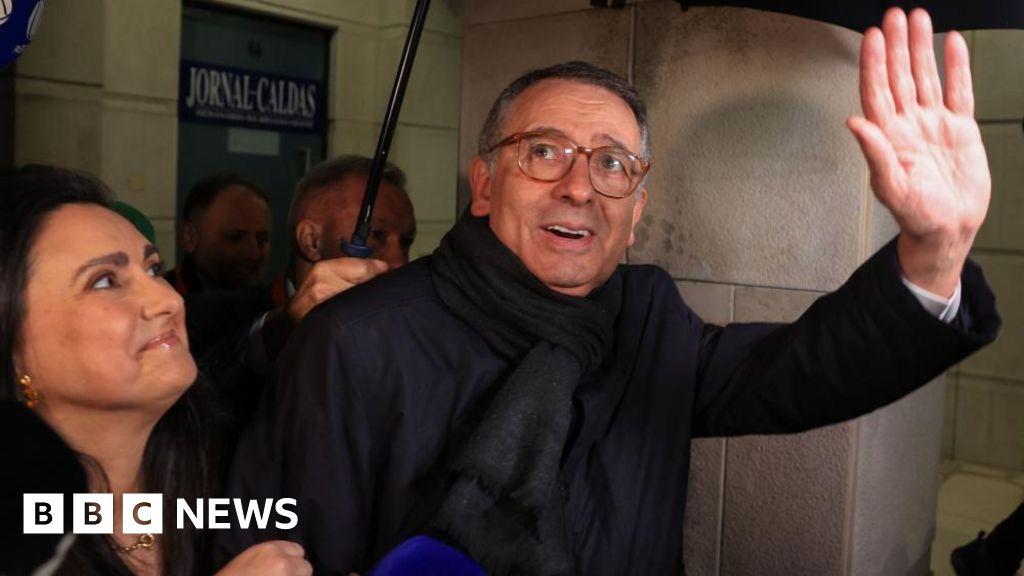
Reactions to election results
Reactions to the result combined congratulatory international messages, caution about the continued strength of Chega, and promises by Seguro to act as a unifying figure. European leaders and EU officials, including Ursula von der Leyen and other heads of state, were reported as offering congratulations, while Ventura conceded the runoff but signalled he would continue to lead his movement. Coverage differed in tone between outlets that stressed relief and democratic resilience and those warning that the far right's parliamentary gains mean the political challenge persists.
“Conservative prime minister Luís Montenegro, French President Emmanuel Macron and EU Commission President Ursula von der Leyen all congratulated him.”