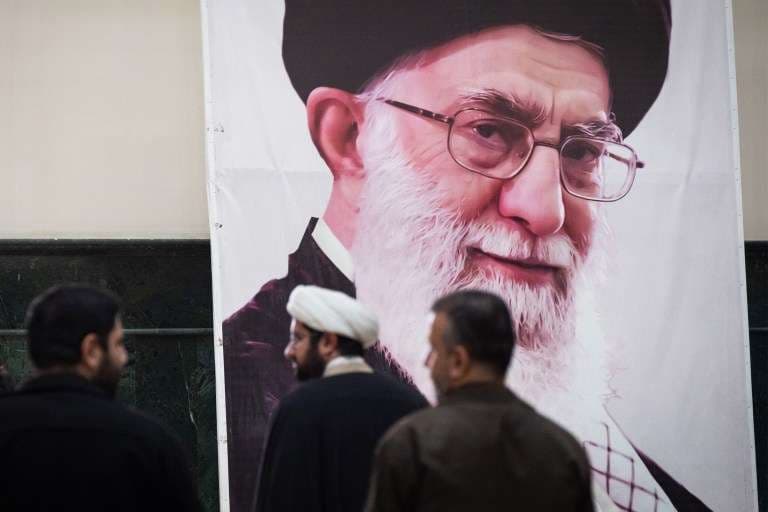
Prediction-market traders wagered over $1 billion betting on Iran war, Khamenei’s death
Key Takeaways
- Accounts placed large bets on Ayatollah Khamenei's death and Iran-related military outcomes
- Multiple accounts profited from bets timed immediately before strikes, raising insider-trading suspicions
- Experts and outlets warned prediction markets posed national-security risks and ethical 'death market' concerns
Market scale and focus
Traders on online prediction markets wagered more than $1 billion on aspects of the Iran war, including questions about the duration of the conflict and the fate of Iran’s supreme leader, Ayatollah Ali Khamenei, drawing intense scrutiny from lawmakers, watchdogs and the public.
“As the United States and Israel prepared for war and later launched strikes against Iran, traders on online prediction markets wagered over $1 billion on every aspect of the conflict, drawing a wave of scrutiny”
CNN reported that “traders on online prediction markets wagered over $1 billion on every aspect of the conflict, drawing a wave of scrutiny.”

Responsible Statecraft situated those markets amid an active regional war, noting “With war raging in the Middle East, the Horn of Africa is a particularly important geoeconomic and geopolitical puzzle piece,” underscoring the wider geopolitical stakes that shaped trader interest.
TechStory documented how platforms responded to controversial trades, reporting that “Kalshi froze the market and invoked a ‘death carveout’ clause,” a procedural move that itself became part of the controversy.
Death markets and response
“Death markets” — wagers explicitly tied to the potential ouster or death of political leaders — emerged on platforms such as Polymarket and prompted immediate backlash after Ayatollah Khamenei’s killing on Feb. 28.
CNN said that “death markets emerged around whether Iran’s supreme leader, Ayatollah Ali Khamenei, would be ousted, potentially through assassination – which ultimately happened on Feb. 28.”

TechStory described platforms’ rule responses and the contested settlements, reporting that Kalshi chose to “settle the market at the ‘last traded price’ prior to the death,” while its CEO argued the firm is prohibited from facilitating such markets: “When there are markets where potential outcomes involve death, we design the rules to prevent people from profiting from death,” Mansour posted on X.
Responsible Statecraft’s coverage of the conflict included images and reporting of strikes in Iran — noting a “Scene following an airstrike on an Iranian police centre damaging residential buildings around it in Niloofar square in central Tehran on march 1, 2026,” illustrating the deadly backdrop against which these wagers were placed.
Insider concerns and public reaction
The timing and size of some bets prompted questions about insider knowledge and lawmaker outrage, while large individual gains highlighted the moral stakes.
“A common statement about artificial intelligence says that "every search in ChatGPT consumes the same amount of water as a bottle”
CNN reported that “One user named ‘Magamyman’ made $553,000 from Iran bets placed on the eve of war,” and that “Some Democrats also pointed out that the president’s son, Donald Trump Jr., joined Polymarket’s advisory board last year,” feeding concerns about political proximity and access.
TechStory quoted Senator Chris Murphy’s blistering condemnation — calling the episode “American commercial immorality on steroids” — and flagged the danger of an “assassin’s incentive.”
Responsible Statecraft captured domestic public opinion through NIAC polling showing that “a clear majority of Iranian Americans — 61.6% — support diplomacy to move toward de-escalation and a negotiated path forward,” indicating broad community unease with war and profiteering.
Regulatory fallout and geopolitics
The controversy has accelerated regulatory and legislative scrutiny of prediction markets and raised questions about platform governance.
CNN noted that “Lawmakers expressed alarm about a lack of regulation, traders vented about unclear market rules, government watchdogs worried about possible corruption, and academics wondered aloud about the morality of wagering money on people’s lives,” and that “Federal regulations already prohibit futures contracts based on assassinations, war or terrorism.”
TechStory reported that Senator Murphy “is already drafting legislation to ban prediction markets related to government actions and military strikes,” while platforms like Kalshi said they were scrambling “to reimburse fees and net losses” after admitting to “a grammatically ambiguous” version of their rules.
Responsible Statecraft’s wider reporting on regional conflict and strategic moves — including Israel’s security calculations in the Horn of Africa — underscored the broader geopolitical consequences that make these markets more than abstract bets: “The Houthis’ aggression has grown since the start of the Gaza war in October 2023; the group has conducted nearly 500 attacks against ships and against Israel in the years since.”
More on Iran
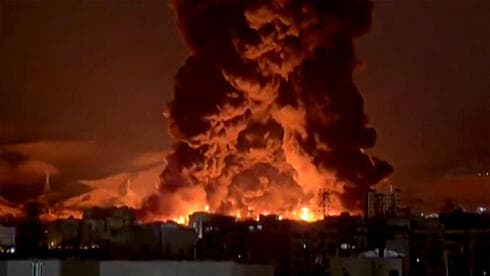
US obliterates military targets on Iran’s Kharg Island, Trump warns
13 sources compared

US Deploys About 2,500 Marines to Middle East After Iran Attacks Gulf Shipping
33 sources compared
FBI Warns of Iranian Drone Plot Based on Unverified Tip; California Says No Credible Threat
10 sources compared

White House Demands ABC Retract Report Claiming Iran Sought To Launch Drone Attacks On California
11 sources compared